

What Is a Car Body Kit and What Types Are Available?
A Car Bodykit can change a vehicle’s appearance, airflow, or both. It may include front and rear bumpers, side skirts, a spoiler, or wider fender sections. Some kits add only a subtle lip beneath the bumper. Others reshape the car’s profile, leaving more visible gaps around the wheels if fitment is poor. Small details matter.
The market context is broader than body kits alone. SEMA’s 2023 Market Report valued the U.S. specialty-equipment market at $52.3 billion in 2022. That figure covers many products and services, not just exterior styling parts. It shows the scale of vehicle customization, but it cannot tell us how many owners buy body kits. That distinction is easy to miss.
For buyers, the useful question is not simply which design looks best. Material, manufacturing quality, vehicle compatibility, installation needs, and intended use all affect the result. A fiberglass kit may need careful fitting and finishing; a polyurethane part may offer more flexibility. These are tendencies, not guarantees. Even a well-reviewed kit can require adjustments on a specific vehicle. This guide explains what a Car Bodykit is and compares the main types, so readers can assess their options with realistic expectations. Before choosing, check the manufacturer’s fitment details and ask a qualified installer about preparation and mounting. A clean photograph rarely shows the sanding, alignment, or fastening behind the finished look.
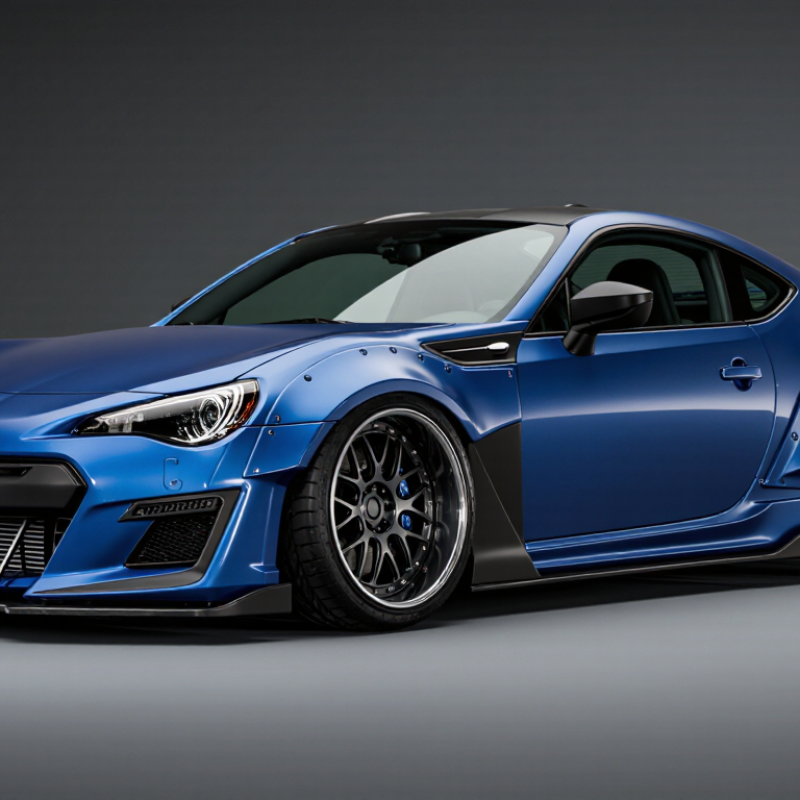
What Is a Car Body Kit?
A car body kit is a group of exterior parts added to or substituted for a vehicle’s original body panels. Common pieces include front and rear bumper covers, side skirts, fender extensions, and sometimes a rear spoiler. Together, they change the car’s outline, stance, or airflow around its body. Some kits are mainly visual; others are designed and tested for aerodynamic performance. A sharper shape alone does not prove better handling.
Fit matters. A kit may use flexible plastic, fiberglass, or composite materials, each with different weight, finish, and repair needs. Even small gaps around a bumper or wheel arch can look obvious in daylight. SEMA’s 2023 U.S. market report estimated specialty-equipment sales at $52.3 billion in 2022. That broad category includes appearance products, but does not isolate body-kit sales.
A body kit is not a complete vehicle makeover, and it does not automatically improve performance. Results depend on design, material quality, fitment, and installation. A low front lip, for example, can scrape on a steep driveway. Some details are easy to overlook. Before choosing a kit, check that its parts match the vehicle’s exact year and body style, then consider how the car is actually driven.
What Is a Car Body Kit and What Types Are Available?
| Type or component | What it includes | Typical purpose | Fitment and practical considerations |
|---|---|---|---|
| Car body kit | A group of exterior parts that change a vehicle’s appearance and, in some designs, influence airflow. A kit may include bumpers, side skirts, spoilers, or other panels. | To create a coordinated exterior style; some components are designed to manage airflow or protect lower body areas. | Parts should be selected for the vehicle’s exact model year and body style. Installation may require adjustment, paint, or professional fitting. |
| Lip kit | Usually adds front, side, and/or rear lower extensions to the original bumpers and rocker panels. | Provides a subtle, lower-profile appearance without replacing as many factory panels as a full kit. | Added ground clearance is limited. Check driveway angles, speed bumps, and the quality of the mounting points. |
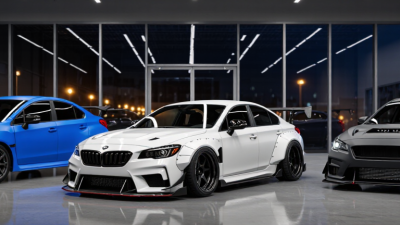
| Full body kit | Typically combines replacement or redesigned front and rear bumpers with side skirts; some kits also include a spoiler or other trim. | Creates a more complete, consistent change to the vehicle’s exterior styling. | Confirm which parts are included. Replacement panels may need test-fitting, trimming, or paint before final installation. |
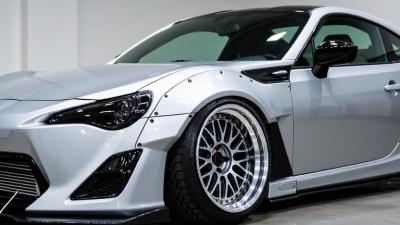
| Widebody kit | Wider fenders or fender extensions, often paired with matching bumpers and side components. | Gives the vehicle a wider stance and may provide space for wider wheels and tires when properly engineered. | May require bodywork, revised wheel fitment, and changes to the vehicle’s overall width. Check local vehicle regulations and tire clearance. |
| Aerodynamic or track-oriented kit | May include a front splitter, side extensions, rear diffuser, and/or rear wing. | Designed to influence airflow and, when properly developed and installed, may contribute to aerodynamic balance at speed. | Appearance alone does not establish aerodynamic performance. Mounting strength, vehicle setup, and intended driving conditions matter. |
| OEM-style kit | Exterior parts designed to follow a factory-like shape and blend with the vehicle’s original styling. | Offers a restrained appearance change while maintaining a close visual match to factory design. | Check paint matching, panel gaps, and compatibility with factory sensors, lights, and other equipment. |
| Common materials | ABS plastic: commonly used for molded parts. Polyurethane: flexible and often used for bumper extensions. Fiberglass: lightweight but can be more brittle. Carbon fiber: lightweight and typically more costly. | Material affects weight, flexibility, finish, repair options, and price. | Actual quality varies by design and manufacture. Follow the maker’s fitting and finishing instructions, and inspect parts before painting or installation. |
| Before buying or installing | Verify vehicle fitment, included hardware, installation requirements, and whether the parts are supplied painted or unfinished. | Helps avoid incompatible parts, unexpected bodywork, and installation delays. | Consider ground clearance, parking sensors, cameras, lighting, emissions or road-safety rules, and whether professional installation is appropriate. |
Related Posts
-
2026 Best Car Body Kit Manufacturers for Global Buyers?
-
China Top 10 Car Body Kit Manufacturers for Buyers
-
2026 Best Car Bodykit Manufacturers for Global Buyers?
-
Why Choose a Car Bodikit for Your Vehicle?
-
2026 Top Car Body Kit Types for Global Buyers?
-
Ultimate Guide to Choosing the Perfect Car Bodikit for Your Vehicle


