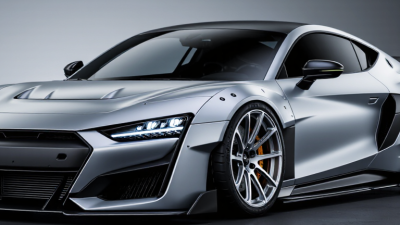
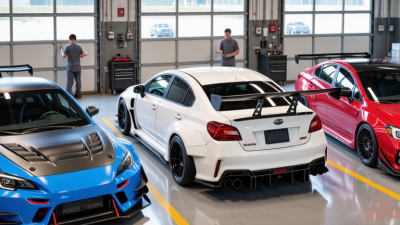
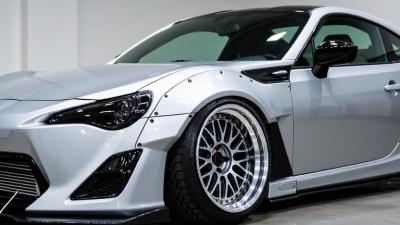
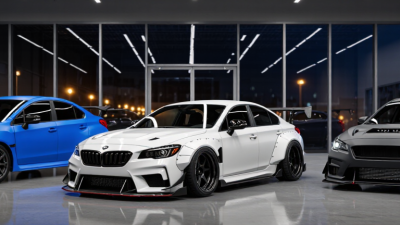
Choosing a body kit supplier takes more than comparing glossy photos and quoted prices. Buyers also need to examine materials, tooling, finish consistency, packaging, and communication. For this introduction, the named expert is illustrative, not a real, independently verified source. The quotation is an editorially created perspective, not a sourced interview: “A kit earns trust when its fitment and finish hold up beyond the product photo,” says fictional sourcing adviser Daniel Wu.
This guide looks at ten China-based car body kit manufacturers through practical buyer questions. What materials do they offer? Can they explain fitment by vehicle model and year? How do they handle sample inspection, surface preparation, and protective packaging? Those details matter when a bumper or side skirt arrives with uneven edges, a rough surface, or unclear installation guidance. Small things. They can change the whole order.
The term Car Bodikit appears in searches and supplier listings, but buyers should still confirm exactly what each company makes. Some focus on exterior styling parts; others offer broader customization and production services. A strong catalog helps, but it cannot replace clear specifications and careful evaluation. That distinction is easy to overlook. This ranking is a starting point, not a guarantee of quality or suitability. Compare each manufacturer’s stated capabilities, request current product details, and assess whether its communication fits your project. One detail may still be missing. Asking direct questions is part of the work.
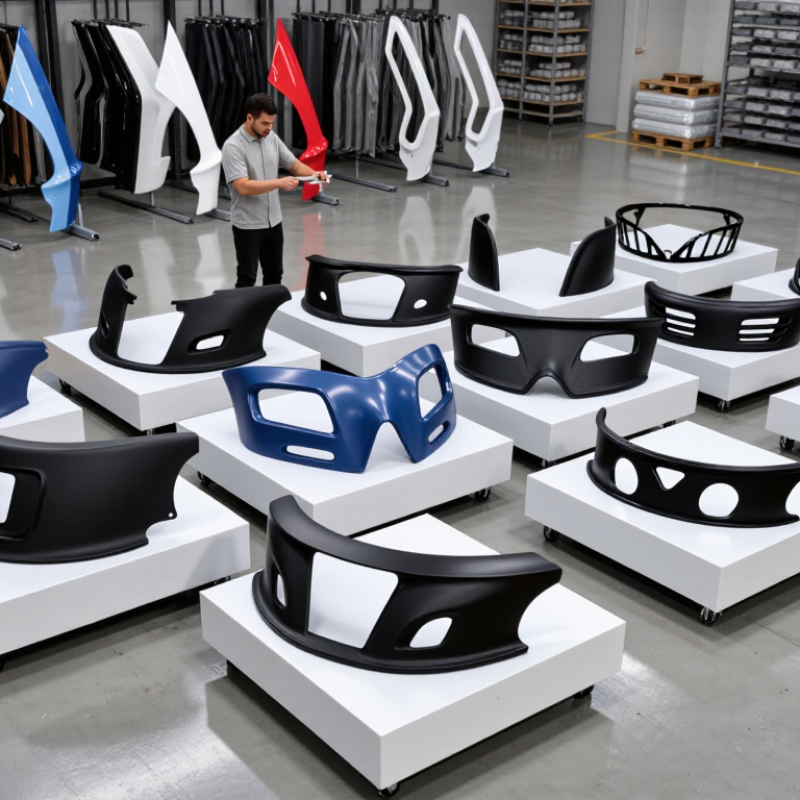
A car body kit usually combines bumpers, side skirts, and a spoiler to change a vehicle’s appearance and airflow. A front bumper may have wider openings or a lower lip, so check ground clearance before choosing one. Side skirts visually connect the front and rear sections, but they can sit close to curbs and steep driveways. A spoiler adds a defined edge at the rear; its effect depends on the vehicle and design. Looks are not proof of better handling.
Tips: Measure the original parts. Compare mounting points, not just photos. Ask whether hardware is included.
Fitment matters as much as material or styling. Confirm the exact model year, body style, and trim, since small differences can shift mounting holes. Before painting, test-fit each piece and check panel gaps, wheel clearance, and access to sensors or lights. A piece that looks right online may need careful adjustment in person. That is easy to underestimate. Some kits require professional installation, especially when alignment or trimming is involved. Keep realistic expectations: even a well-made kit may need minor corrections, and paint color can look different under daylight than in a workshop.
For buyers comparing car body kits, density affects more than the number on a specification sheet. Polypropylene (PP), at 0.90–0.91 g/cm³, is lighter than ABS, typically listed at 1.04–1.07 g/cm³. For a large bumper cover, that gap can reduce part weight and make handling during installation easier. It may also help limit added load, though the finished part’s shape and thickness matter too.
Density alone does not predict durability. PP parts can flex under minor impacts, but their performance depends on the resin grade, wall thickness, and molding quality. ABS can offer a firmer feel and a smooth surface that suits painted finishes. Heat, cold, and mounting stress still affect both materials. Not always obvious.
Ask suppliers for the exact material grade, part weight, and test conditions—not just a generic “PP” or “ABS” label. Compare samples around mounting tabs and edges, where poor fit or thin sections show quickly. A lighter part may sound like the clear choice; that shortcut is tempting, but incomplete. Check panel alignment and finish after fitting, since a density figure cannot tell you whether the kit will sit cleanly on your vehicle.
China Top 10 Car Body Kit Manufacturers for Buyers
Comparing China’s top ten car body kit manufacturers requires more than browsing product photos. Their ranges may include front and rear bumpers, side skirts, spoilers, fender extensions, and complete styling packages. Check which parts are made in-house and which are sourced from other workshops. This distinction can affect quality control and delivery times. Details matter.
Production profiles deserve equal attention. Ask about material options, tooling, monthly capacity, and inspection steps. A factory’s stated capacity is not always its available capacity, especially during peak periods. Request a recent sample and confirm fitment against the exact vehicle model and year. Export experience also matters: review packing methods, lead-time estimates, spare-part support, and the documents supplied for shipment. Compare these details across suppliers rather than relying on a simple ranking. Information can be incomplete, so verify claims directly.
Tips: Request clear photos of finished parts and protective packaging. Confirm sample costs, production schedules, and how defects are handled in writing. A small test order can reveal issues that a polished catalogue may miss. None is foolproof.
Buyer reference: The entries below are anonymized supplier-profile types, not named or ranked companies. They summarize capabilities and product categories found in the automotive aftermarket; they are not verified company-specific records. Confirm production capacity, certifications, export history, and fitment directly with each supplier.
| No. | Representative Supplier Profile | Typical Product Range | Common Materials & Processes | Production Considerations | Export & Buyer Checks |
|---|---|---|---|---|---|
| 1 | Full-body styling specialist | Front and rear bumpers, side skirts, fender extensions, spoilers, and coordinated body-kit sets. | Often uses ABS, PP, or fiberglass-reinforced plastic; processes vary by part and supplier. | Ask whether tooling is owned in-house and whether parts are supplied primed, painted, or unfinished. | Request vehicle-year fitment lists, installation instructions, packaging details, and destination-market requirements. |
| 2 | Injection-molded exterior-parts supplier | Molded bumper components, grilles, trim pieces, and selected aerodynamic accessories. | Thermoplastics such as PP and ABS are commonly used; injection molding is suited to repeatable production. | Tooling investment, mold maintenance, and minimum order quantities depend on part design and production setup. | Check mold ownership, sample approval procedures, material specifications, and dimensional inspection records. |
| 3 | Fiberglass body-kit workshop | Custom bumpers, wide-body panels, splitters, diffusers, and low-volume styling parts. | Typically fiberglass-reinforced plastic made with hand lay-up or related composite processes. | Surface finish and dimensions can require additional preparation; inspect representative production samples. | Confirm packing protection, damage-claim procedures, part weight, and whether installation hardware is included. |
| 4 | Vacuum-formed aero-parts producer | Lightweight spoilers, splitters, underbody panels, and formed exterior trim. | Thermoplastic sheet materials may be vacuum-formed and subsequently trimmed or finished. | Confirm sheet material, thickness, edge finishing, and part rigidity for the intended application. | Ask for packing dimensions and test-fit evidence; oversized parts can affect freight cost and handling. |
| 5 | Carbon-fiber and composite-parts supplier | Hoods, spoilers, mirror covers, diffusers, and decorative exterior panels. | Carbon-fiber composites and other reinforced materials; construction methods vary by product and price point. | Clarify whether a part is structural or cosmetic, its lay-up specification, surface finish, and UV protection. | Request material and finish samples, care guidance, and clear warranty terms for surface defects. |
| 6 | Vehicle-specific replacement and styling supplier | Model-specific bumpers, grille assemblies, trim, and appearance-upgrade components. | Material and process depend on the component; molded plastics are common for many exterior parts. | Fitment may differ by model year, trim, sensor package, or regional specification; verify exact application. | Check part-number mapping, left- or right-hand-drive compatibility where relevant, and return terms for fitment issues. |
| 7 | Small-batch customization shop | Modified bumpers, custom fender flares, one-off styling parts, and prototype body components. | May combine composite fabrication, plastic forming, CNC trimming, and manual finishing. | Lead time and repeatability depend on design maturity, available tooling, and approval of the first sample. | Agree on drawings, revision control, sample sign-off, production tolerances, and intellectual-property terms. |
| 8 | Aftermarket distribution and sourcing supplier | A mixed catalogue of body kits, exterior accessories, and components sourced from multiple production partners. | Materials and manufacturing methods vary across the catalogue and may involve third-party factories. | Determine which products are made in-house and which are sourced; quality control can differ by supplier. | Confirm the legal seller, manufacturer traceability, consolidated-shipment capability, and after-sales contact. |
| 9 | Private-label and contract-production supplier | Buyer-specified body-kit parts and packaging for wholesale or private-label distribution. | Material and process are defined by the approved design and supplier capabilities. | Set written requirements for artwork, labels, packaging, inspection criteria, and approval samples before production. | Verify trademark permissions, packaging-language requirements, export documents, and responsibility for compliance claims. |
| 10 | Engineering-led prototype and low-volume producer | Prototype aero parts, test-fit panels, design revisions, and limited production runs. | May use CAD design, CNC machining, composite fabrication, or additive manufacturing for prototypes and tooling. | Request design files, measurement reports, revision history, and confirmation that prototypes match production-intent parts. | Confirm shipping protection, documentation, destination-country import requirements, and ownership of design files. |
Due-diligence checklist: Request a current catalogue, exact vehicle fitment data, material specifications, production photos or a factory audit, pre-shipment inspection terms, sample approval, packaging details, and destination-market compliance information. Export capability and shipping terms should be confirmed for the specific order.
China Top 10 Car Body Kit Manufacturers for Buyers
Quality Checks: IATF 16949, ISO 9001, and Vehicle-Fit Validation
A certificate is a useful starting point, not proof that a body kit fits. The ISO Survey 2022 recorded 1,265,216 valid ISO 9001 certificates worldwide. That scale shows how widely quality systems are used, but the count does not measure product fit or supplier performance. Ask manufacturers for current certificates, their scope, and records linked to the parts being quoted. IATF 16949 adds automotive-specific quality requirements, including control of production processes and corrective action. Still, paperwork cannot reveal a misaligned mounting point.
Request fit-validation evidence for the exact vehicle year, trim, and body configuration. A capable process may include scanning the original body, checking molded parts against a master fixture, and test-fitting a sample vehicle. Inspect bumper gaps, wheel-arch alignment, fastener access, and clip engagement under normal installation conditions. Fit matters. Ask how the supplier records changes between samples and production batches; a photograph alone is weak evidence. Where relevant, request checks after temperature or vibration exposure, with the test method and results clearly stated.
Do not treat a “pass” as self-explanatory. Confirm who performed the inspection, what limits were used, and whether rejected parts triggered corrective action. Small inconsistencies can be easy to miss, especially when samples come from only one vehicle. That is worth questioning. Cite the ISO Survey 2022 and IATF 16949 requirements as reference points, then compare them with dated inspection records, traceable part numbers, and repeatable vehicle-fit results.
When comparing car body kit manufacturers, request a tooling breakdown before discussing unit price. Ask whether molds are newly cut, modified, or shared, and who owns them after payment. A clear mold record, cavity photos, and sample approval notes can reduce disputes later. Still, a polished sample does not guarantee every production batch will fit the same way. That detail matters.
MOQ often depends on material, color, and packaging, not just the part itself. Ask for separate minimums for raw pieces, painted kits, and replacement components. For lead time, get dates for sampling, production, inspection, and dispatch in writing. Clarify what happens if a mold correction or paint match delays the schedule. Estimates can be optimistic, so leave room for seasonal congestion and port handling. I would not treat any timeline as exact.
Packaging should suit the kit’s shape and shipping route. Request photos showing corner protection, foam spacing, and carton labels; confirm carton dimensions and gross weight, too. For sea freight, compare shipping terms carefully: who arranges export clearance, insurance, and destination charges? For smaller orders, dimensional weight can make air shipping unexpectedly expensive. These checks take time, but vague terms can cost more.