Why Choose a Car Bodikit for Your Vehicle?
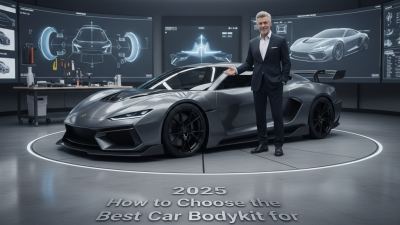
Choosing a Car Bodikit is not only about making a vehicle look aggressive. It can reshape the car’s visual identity, improve airflow in selected applications, and support a carefully planned customization project. However, appearance alone is a weak reason to buy one. Fitment, material quality, installation accuracy, and long-term durability matter more than dramatic showroom photographs.
SEMA’s latest market reporting places the U.S. specialty-equipment aftermarket above $50 billion annually, showing strong demand for vehicle personalization. Its research also indicates that consumers increasingly value products combining appearance, performance, and practical usability. Automotive aftermarket studies from Grand View Research similarly identify customization as a continuing growth area, although body-kit data is often grouped with broader exterior accessories. That limitation deserves attention.
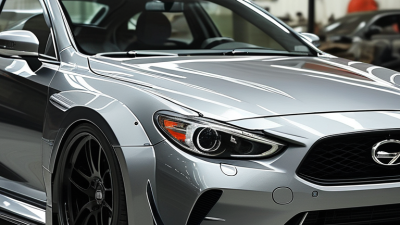
Mike Spagnola, SEMA’s Vice President of OEM and Product Development, has said, “A successful build starts with a clear goal and parts that work together.” This principle fits every Car Bodikit decision. A lightweight fiberglass kit may offer a lower purchase price, yet it can require more preparation before painting. Polyurethane and ABS options may provide better flexibility, but their finish and panel alignment still depend on the manufacturer. Small gaps around a bumper can become obvious under bright garage lighting.
The right kit should match the vehicle’s year, trim, wheel setup, and intended use. It should also allow proper lighting, sensor, and exhaust clearance. Professional installation adds cost, sometimes more than expected. That is not failure; it is part of building responsibly. Before purchasing, compare verified fitment data, warranty terms, installer experience, and applicable local requirements. A thoughtful Car Bodikit should look integrated, not merely attached.
What a Car Body Kit Is and How It Changes Vehicle Design
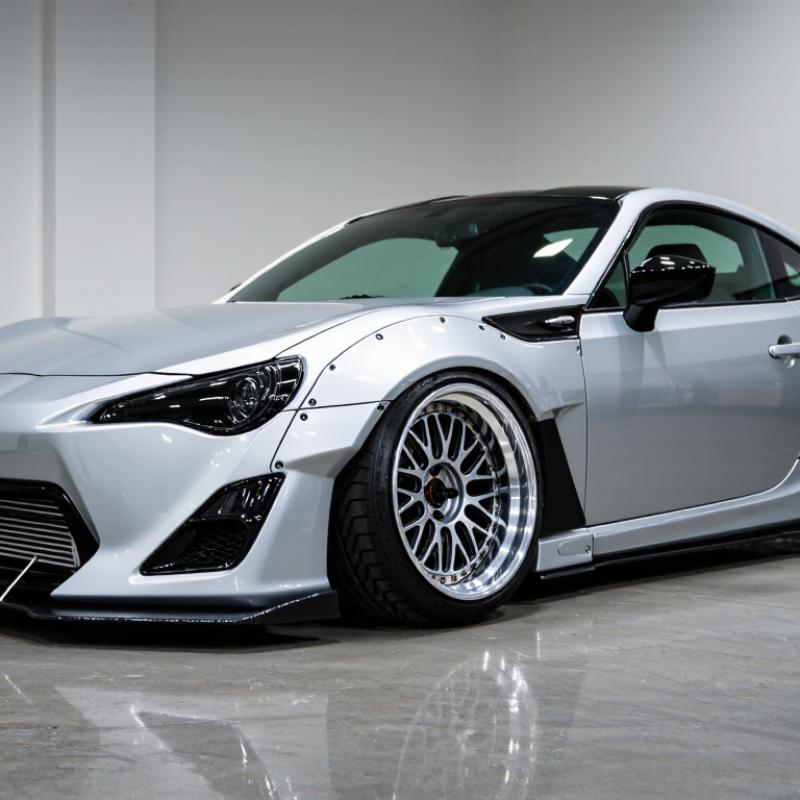
A car body kit is a collection of exterior parts that changes a vehicle’s shape and visual character. It may include bumpers, side skirts, fenders, splitters, spoilers, or a redesigned grille. These parts can create a lower, wider, or more athletic appearance without replacing the entire vehicle. Design begins with proportions. A deep front splitter can make the nose look closer to the road, while side skirts create a stronger line between the wheels.
In practical work, fitment matters as much as appearance. I have seen a small gap near a bumper become obvious after painting. Uneven panel lines can make an expensive project look unfinished. Materials also affect the result. Fiberglass is easy to shape but may need careful preparation. Composite materials can offer useful strength with less weight, though their cost and repair needs vary. A body kit can influence airflow, but visual styling does not automatically improve handling. Professional inspection remains important.
Tips: Measure every panel before ordering. Check wheel clearance at full steering lock. Confirm that mounting points are secure. Choose a finish that matches the vehicle’s existing paint. Keep the original parts if possible. They may be useful later. Review local road-safety requirements before installation. The process is rarely perfect, and thoughtful adjustments often produce a cleaner result than rushing toward a dramatic design.
Key Components and Common Types of Car Body Kits
Why Choose a Car Body Kit for Your Vehicle?
A car body kit changes more than appearance. It can sharpen airflow, protect vulnerable panels, or create a wider stance. The main components include front and rear bumpers, side skirts, spoilers, diffusers, grilles, fender flares, and mounting hardware. Each piece needs accurate alignment. Small gaps near a headlamp can become obvious under bright workshop lighting.
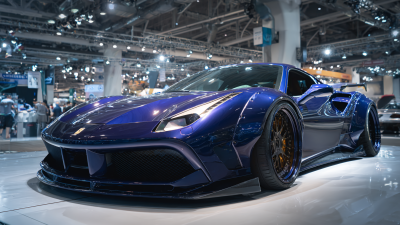
Common types serve different goals. A lip kit adds subtle extensions to the original bumpers. A full kit replaces several exterior panels. Wide-body kits use larger fender flares and often require revised wheel fitment. Track-focused aerodynamic kits may include splitters, canards, and rear wings, while off-road designs favor stronger bumpers and increased clearance. Material choice matters too. Fiberglass is easy to shape but may crack under impact. ABS plastic usually tolerates daily use better, although fitment still varies.
SEMA’s 2023 market report valued the U.S. specialty-equipment market at about 52 billion dollars, showing strong demand for vehicle personalization. However, market growth does not prove every kit improves performance. Independent testing remains important. A practical installation checks panel gaps, tire clearance, fastener strength, and sensor visibility. Professional repair data also warns that poorly fitted exterior parts can increase vibration and water entry. The uncomfortable truth is simple: dramatic styling may add weight, noise, or maintenance. A careful buyer should measure twice, inspect the manufacturer’s installation data, and accept that some advertised gains remain unverified.
Performance, Style, and Protection Benefits of Body Kits
A car body kit can change more than a vehicle’s appearance. Properly designed splitters, side skirts, and rear diffusers can guide airflow around the body. The U.S. Department of Energy explains that aerodynamic drag increases sharply as speed rises. Therefore, a well-fitted kit may improve highway stability and reduce unwanted air lift. The effect is modest, however. A dramatic-looking diffuser does not automatically create useful downforce.
Style remains the most visible benefit.
A lower front profile, tighter wheel arches, and sharper lines can make an ordinary car look more purposeful. SEMA’s 2023 Market Report valued the U.S. specialty-equipment market at 52.3 billion dollars. That figure shows strong consumer interest in vehicle personalization. Yet visual appeal should not replace engineering judgment. Excessive lowering can reduce ground clearance, especially near ramps, drainage channels, and uneven parking areas.
Protection is another practical consideration.
Side skirts can help shield lower panels from road spray and loose gravel. Stronger bumper extensions may also absorb minor contact, depending on their material and mounting points. During a fitment inspection, check panel gaps, fasteners, tire clearance, and sensor visibility. Poor alignment can create vibration, scraping, or water entry. Weight matters too. Some fiberglass parts are light but brittle, while reinforced composite parts may survive impacts better. The compromise is real. A body kit should suit the vehicle’s roads, climate, and daily use, not only photographs.
Installation Requirements, Costs, and Maintenance Considerations
A car body kit can sharpen a vehicle’s appearance, but installation demands more than enthusiasm. The kit must match the exact model year, bumper structure, wheel clearance, and parking-sensor layout. Fiberglass often needs trimming and test-fitting. Polyurethane usually tolerates minor impacts better. A qualified body technician should check mounting points before drilling. The Specialty Equipment Market Association reported $52.3 billion in U.S. vehicle accessory and modification spending during 2023, showing strong demand for customized vehicles. Demand does not guarantee correct fitment.
Costs vary sharply by material and labor. A basic kit may cost $1,500–$4,000. Professional installation can require 20–40 labor hours. Painting and blending may add another $1,000–$3,500. These figures are practical North American estimates, not fixed quotations. The U.S. Bureau of Labor Statistics reported roughly $48,000 as the 2023 median annual wage for automotive body and related repairers. That wage data helps explain why skilled installation is expensive. Cheap labor can become costly rework.
Maintenance begins after the final polish. Inspect fasteners and panel gaps after the first 500 miles. Check for rubbing when turning fully. Wash road salt from lower edges, where moisture hides behind flares and splitters. Avoid aggressive pressure washing near seams. A small crack should be repaired early, although I have seen owners postpone it until repainting becomes unavoidable. Ceramic protection may reduce staining, but it cannot prevent impact damage. Local inspection and insurance requirements also differ, so confirm them before installation.
Why Choose a Car Body Kit for Your Vehicle?
Typical U.S. planning estimates for a complete body-kit project are shown in USD. Costs may vary according to vehicle condition, material, paint quality, local labor rates, and whether professional fitting is required. Proper installation generally requires accurate measurements, surface preparation, compatible mounting hardware, paint matching, and a final alignment check. Regular cleaning, inspection of fasteners, and prompt repair of cracks or paint damage can help extend the kit’s service life.