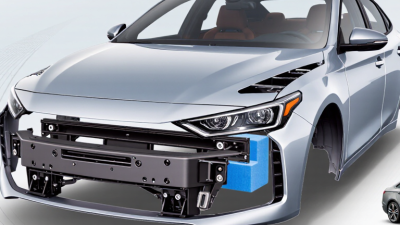
A Car Front Bumper is more than a painted shell at the nose of a vehicle. It may combine a fascia, reinforcement beam, energy-absorbing material, and mounting points. Some designs also house parking sensors or support driver-assistance equipment. Look closely, and the differences become clear: a smooth plastic cover suits many road vehicles, while a heavier steel assembly may appeal to buyers prioritizing durability. Neither choice is best for every driver.
For a safety-focused perspective, David Zuby, chief research officer at the Insurance Institute for Highway Safety, studies vehicle crashworthiness. A concise paraphrase of his broader message is: “Judge protection as a whole-vehicle system, not by one component alone.” That is not a verified verbatim quotation. It is a useful reminder when comparing bumper styles, because appearance cannot show how a complete vehicle performs in a collision.
This guide examines common front bumper types for global buyers, including plastic, steel, aluminum, and composite designs. It also considers weight, repair needs, sensor compatibility, fitment, and the conditions a vehicle faces. A bumper that works well on city streets may not suit rough roads or frequent loading. Details matter. Check material descriptions and installation requirements, not just glossy product photos. Still, comparisons have limits: terminology and specifications can vary between manufacturers. A careful buyer should verify the exact part and vehicle application before choosing. That small extra check can prevent an expensive mismatch.
A modern car front bumper is more than a painted shell. Its fascia shapes airflow and styling, while hidden absorbers, a reinforcement beam, and mounting points help manage impact loads. The assembly may also house parking sensors or radar units. That matters. A cracked cover can look minor, yet a displaced bracket may affect sensor alignment and require calibration. Bumper inspection should consider structure and electronics, not appearance alone.
The World Health Organization’s Global Status Report on Road Safety 2023 estimates 1.19 million road deaths each year worldwide. In the United States, NHTSA recorded 7,522 pedestrian deaths in traffic crashes in 2022. These figures do not measure bumper performance, but they show why front-end design must account for people outside the vehicle. Engineers balance impact management with pedestrian-facing geometry, cooling airflow, sensor visibility, and repair costs. No single layout solves every impact. The compromise is not neat: a design optimized for one requirement may make another harder to meet.
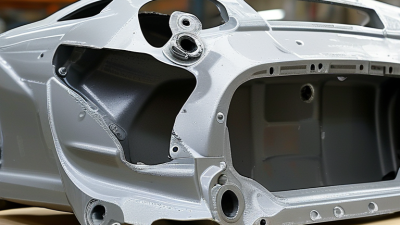
A modern front bumper is a layered assembly, not a single solid bar. Its visible cover is often molded from polypropylene or a related thermoplastic blend. The material can flex during minor contact and helps shape airflow around the vehicle. It flexes. Behind the cover, an energy absorber made from engineered foam or another crushable material helps manage impact energy. A reinforcement beam, commonly steel or aluminum, provides additional structural support. Brackets connect these parts to the vehicle body.
Manufacturing methods vary by component. Covers are typically injection-molded, while metal beams are stamped, formed, and sometimes welded. Coatings help protect exposed metal from corrosion. Openings may accommodate grilles, lamps, or parking sensors, so a small change in shape can affect fit or function. The tidy layer diagram can be misleading: real assemblies include clips, seams, and wiring that are easy to overlook. When comparing bumper types, check the construction materials, mounting points, and sensor provisions for the specific vehicle. Similar-looking covers may not share the same internal supports. That detail matters. Materials and designs also vary by vehicle class and market, so specifications should be verified rather than assumed.
A front bumper is generally a system comprising an outer fascia, an energy absorber, and a reinforcement beam. Exact designs and material combinations vary by vehicle, market, safety requirements, and repair strategy.
| Bumper Type or Design | Typical Vehicle Use | How It Is Built | Common Materials | Practical Considerations |
|---|---|---|---|---|
| Passenger-car fascia system | Hatchbacks, sedans, and many compact cars | A molded outer cover sits over an energy absorber and a beam attached to the vehicle structure. Openings may accommodate grilles, sensors, or cooling airflow. | Polypropylene-based plastics are common for fascia; expanded polypropylene or other energy-absorbing materials may be used behind it; the beam is commonly steel or aluminum. | Lightweight molded covers can be shaped for aerodynamics and styling. The cover itself is not a substitute for the reinforcement beam or the vehicle’s crash structure. |
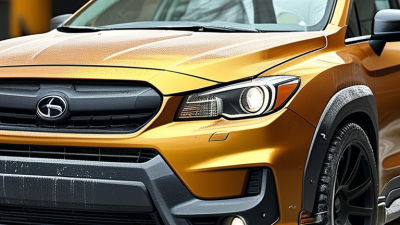
| SUV and crossover bumper system | Compact, midsize, and large sport-utility vehicles | A larger fascia commonly integrates trim, air inlets, lighting details, and mounting points. An absorber and reinforcement beam sit behind the visible cover. | Polypropylene or related thermoplastics for the fascia; polymer foam or molded energy absorbers; steel or aluminum reinforcement beams. | Ground clearance, vehicle packaging, and sensor placement affect the design. A taller-looking fascia does not by itself indicate greater impact protection. |
| Pickup and utility-vehicle bumper | Pickups and work-oriented vehicles | May use a more exposed or substantial-looking beam with a separate cover or trim pieces. Mounting points and accessories depend on the vehicle design. | Stamped steel is common for reinforcement; aluminum may be used in some designs; plastic fascia and polymer absorbers may also be fitted. | Check compatibility with vehicle-specific mounts, sensors, and accessories. A heavy-duty appearance does not establish towing or recovery capability. |
| Pedestrian-protection-oriented design | Passenger vehicles designed to meet applicable pedestrian-safety requirements | The front-end package may include a shaped cover, controlled clearance, and energy-absorbing components designed as part of the vehicle’s overall front-end layout. | Molded thermoplastic fascia and polymer-based absorbers are common; reinforcement materials vary by vehicle. | Performance depends on the complete vehicle design and applicable test requirements, not on a single material or visible bumper feature. |
| Sensor-integrated bumper | Vehicles equipped with parking sensors, radar, cameras, or driver-assistance features | The fascia includes designed apertures or sensor mounting areas, with components positioned to maintain their intended alignment and operation. | Typically a molded polymer fascia with a material-specific reinforcement beam and absorber; sensor components are installed separately. | Replacement parts need the correct sensor provisions and fit. Repairs or refinishing near sensors may require procedures and calibration specified for the vehicle. |
| Lightweight aluminum-beam system | Vehicles where the manufacturer selects aluminum for the reinforcement beam | An aluminum beam is attached behind the fascia and absorber. Its section shape, thickness, and mounting design are engineered for the specific vehicle. | Aluminum alloy beam, polymer fascia, and a polymer-based absorber are common material combinations. | Aluminum can reduce component mass compared with some steel designs, but material choice alone does not determine system performance. Repairability and replacement requirements are vehicle-specific. |
| Steel-reinforced bumper system | A wide range of passenger and utility vehicles | A formed steel reinforcement beam is mounted behind the absorber and fascia, with the beam geometry and attachments designed for the vehicle platform. | Steel beam, often with a polymer coating or corrosion protection; polymer fascia and absorber materials are commonly used around it. | Steel is widely used for structural reinforcement. Buyers should verify part fit, corrosion protection, and mounting compatibility rather than relying on material description alone. |
Buyer note: Confirm vehicle year, model, trim, market specification, sensor equipment, and mounting configuration before selecting a replacement bumper. Material and construction details should be verified against the vehicle-specific parts information.
Most passenger cars use a molded polymer fascia mounted over a reinforcement beam and energy-absorbing material. The fascia shapes the vehicle’s front end, while the beam and absorber help manage low-speed impacts. Steel beams are generally robust; aluminum versions can reduce weight. Neither material guarantees better protection on its own. Design, mounting points, and vehicle compatibility matter.
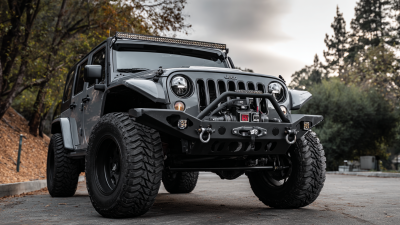
Off-road vehicles may use heavier steel or aluminum bumpers, sometimes with modular sections and recovery points. These can suit rough terrain, but extra mass may affect handling and efficiency. Some modern bumpers also accommodate parking sensors, cameras, and radar. Check sensor locations carefully; a replacement that fits physically may still disrupt their operation. Fit still matters.
Grand View Research’s 2023 Automotive Bumper Market report valued the global market at about $22.4 billion in 2022 and projected 5.7% annual growth through 2030. That figure reflects market revenue, not proof that one bumper type performs best. Buyers should compare material, absorber design, sensor provisions, and replacement availability for their specific vehicle. A catalog label alone is not enough.
Comparing bumper types starts with separating the visible cover from the reinforcement behind it. Polymer covers are common because they are light and can accommodate varied shapes. Steel reinforcements often suit vehicles prioritizing strength, while aluminum can reduce weight. The right choice depends on the vehicle design, not just the material name. Weight matters. Check mounting points, crash components, sensor openings, and airflow paths before comparing prices. A bumper that looks similar may still require different fittings.
Tips: Ask for the exact vehicle year, trim, and market version. Request clear photos of the mounting tabs and sensor cutouts. Check whether the listed part includes the reinforcement or only the outer cover. Small details matter.
Market conditions also affect a sensible choice. In areas with limited parts availability, repair access and replacement cost may matter more than a small weight saving. In hot, sunny regions, buyers can ask about material and finish suitability; cold-weather buyers should check repair guidance for low temperatures. Requirements differ by destination, so confirm fitment and applicable safety specifications with a qualified local supplier. A specification sheet can look convincing, yet it may not explain how easily a damaged part can be repaired. I may be giving repairability extra weight here, but it is often overlooked.
Choosing a front bumper starts with exact fitment, not appearance. Check the vehicle’s year, body style, trim, engine, and original part number. A bumper can look right and still be wrong. Confirm mounting points, grille openings, fog-lamp cutouts, and sensor locations against the vehicle. Even small differences can leave gaps or interfere with nearby components.
Safety depends on more than a secure fit. The bumper may work with energy absorbers, crash structures, parking sensors, cameras, and pedestrian-protection features. Ask whether these parts are included, reusable, or require separate calibration after installation. Do not assume an aftermarket cover changes crash performance in a predictable way. Materials also matter: plastic type, reinforcement, and repair history can affect durability. A glossy finish hides little once the part is installed.
Compliance varies by destination market and vehicle configuration. Check local requirements for lighting, protruding edges, sensor function, and approved replacement parts before ordering. Keep the product specification and fitment confirmation with the repair records. For imported vehicles, verify compatibility using the VIN and a local repair professional; catalog listings can be incomplete. That extra check is worth the delay. I would also inspect the part on arrival, before paint, for warped edges, cracked tabs, or shipping damage.