page-head - 1

How to Choose China Top Car Front Bumper Suppliers?

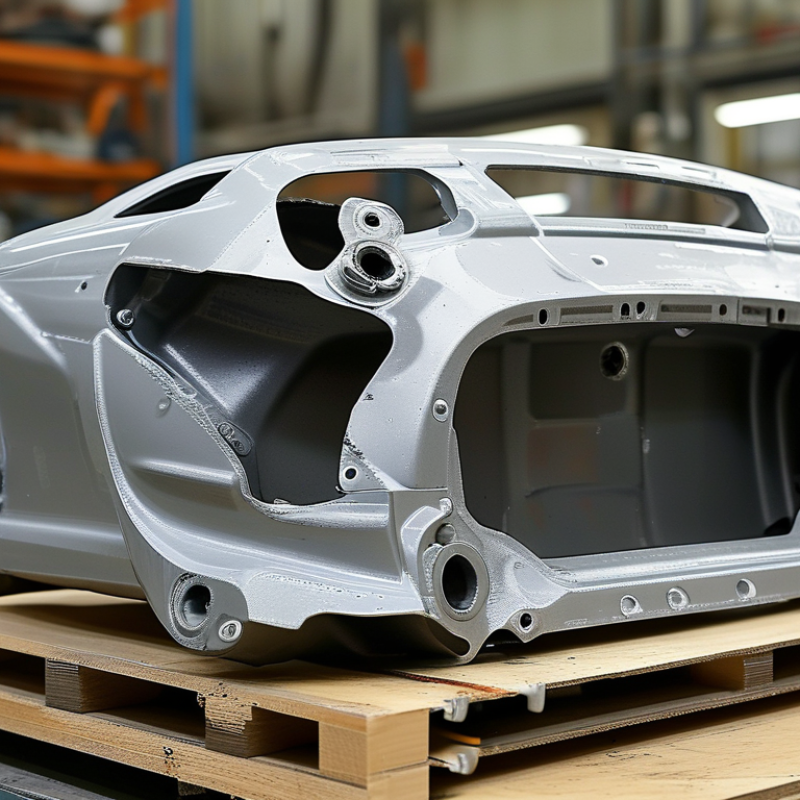
Choosing the right China Car Front Bumper supplier requires more than comparing online prices. It demands practical inspection, engineering judgment, and careful communication. A bumper may look polished in photographs, yet fail during fitting. Small issues matter. Uneven gaps, weak mounting tabs, rough edges, or mismatched paint can delay an entire vehicle program.

Sandy Munro, a recognized automotive manufacturing consultant, has stated, “A good design must also be buildable.” This principle applies directly to bumper sourcing. The best supplier should understand material selection, injection molding, tooling control, surface finishing, and assembly requirements. Ask whether the factory uses PP, ABS, TPO, or reinforced composites for the intended application. Request dimensional reports, material data, sample approvals, and evidence of quality inspections. A reliable supplier should explain these details clearly.

Factory experience also matters. Review production equipment, mold maintenance records, packaging methods, and traceability procedures. Check whether the supplier can maintain consistent color, fit, and mounting accuracy across repeated batches. Independent testing and compliance documentation add confidence, but documents alone are not enough. Visit the factory when possible. Touch the sample. Test the clips. Measure the mounting points.

I have seen buyers focus too heavily on unit cost. That approach can become expensive later. Shipping damage, rework, and rejected parts quickly erase savings. No supplier is perfect. Therefore, assess communication, corrective-action speed, and willingness to admit weaknesses. A strong partnership grows from transparent evidence, realistic specifications, and continuous review.
How to Choose China Top Car Front Bumper Suppliers?

What Defines a Reliable China Car Front Bumper Supplier?

How to Choose China Top Car Front Bumper Suppliers?

What Defines a Reliable China Car Front Bumper Supplier?

A reliable China car front bumper supplier shows evidence, not polished promises. China Association of Automobile Manufacturers reported 31.28 million vehicles produced in 2024. That scale demands stable tooling, material control, and repeatable inspection. Ask for mold trial records, dimensional reports, and production samples from the actual factory. Photos are not enough.

Material knowledge matters. A qualified supplier should identify PP, ABS, or PC-ABS grades for each bumper design. They should also explain wall thickness, mounting points, paint adhesion, and low-temperature behavior. In practical sourcing, a 3D scan can reveal small deviations around lamps and fenders. Those gaps become expensive during assembly. Request test data for impact resistance and fastening strength. Do not accept vague claims.

Quality systems offer another useful signal. The ISO Survey 2023 recorded more than 1.26 million ISO 9001 certificates worldwide. Certification alone proves little, however. Check whether procedures cover incoming resin, molding parameters, surface defects, packing, and traceability. A dependable supplier can provide batch numbers and corrective-action records. PPAP-style documents are helpful for repeated orders. Warranty feedback matters too. A supplier with a clear return analysis process is more credible than one promising zero defects. Zero defects sounds attractive. It is rarely realistic. Suppliers should admit process weaknesses and show how they reduce them.

How to Verify Supplier Qualifications and Manufacturing Capacity

When choosing a Chinese car front bumper supplier, verify qualifications before discussing price. Request business registration, ISO 9001 certification, IATF 16949 status, factory ownership, and recent audit records. A certificate is only a starting point. The 2023 ISO Survey recorded 1,265,216 ISO 9001 certificates worldwide, so certification alone cannot prove strong automotive capability.

Visit the facility, or arrange a live video audit. Check injection machines, mold maintenance areas, painting lines, assembly stations, and finished-goods storage. Ask for machine tonnage, monthly output, utilization rates, and backup equipment. CAAM reported 31.28 million vehicles produced in China during 2024. This scale supports capable suppliers, but it also makes capacity claims difficult to judge without evidence. Review production records, not presentations.

For each bumper project, request APQP files, PPAP samples, material certificates, dimensional reports, impact-test records, and traceability labels. Confirm whether polypropylene blends, fasteners, sensors, and surface coatings come from controlled sources. Inspect a molded part under bright light. Warpage, sink marks, uneven gaps, and weak mounting points often reveal process problems quickly. Require a small pilot order before annual contracts. In my experience, suppliers may show their best samples first. That is normal, but it deserves reflection. Check random production pieces, packaging strength, corrective-action speed, and delivery history. A supplier that answers slowly during qualification may become slower after tooling payment.

How to Compare Bumper Materials, Designs, and Product Standards

How to Choose China Top Car Front Bumper Suppliers?

Material choice affects safety, fit, finish, and replacement cost. In supplier audits, I compare polypropylene, ABS, and polyurethane carefully. Polypropylene is light and flexible, making it suitable for many daily vehicles. ABS usually offers a harder surface and sharper styling details. Polyurethane can support complex shapes, but its processing quality needs closer inspection. A low price is not proof of value.

Design comparison should begin with vehicle measurements, mounting points, sensor openings, and grille alignment. Ask for three-dimensional drawings and sample inspection reports. Check panel gaps under natural light. Small gaps become obvious after painting. Suppliers should explain their mold process, wall thickness, reinforcement layout, and tolerance controls. I once trusted a digital drawing too quickly. The sample fitted poorly around the headlamp. That mistake changed my checking process.

Product standards reveal how reliably a supplier works. Review quality-system certificates, material reports, impact-test records, UV-aging results, and salt-spray data when relevant. Traceable batch numbers are important for repeat orders. A capable factory should also control color, gloss, welding points, and packaging damage. Request a pre-production sample before confirming volume. Then compare measured results, not promises. Standards alone are insufficient. Factory discipline matters. Supplier communication matters too. A detailed inspection checklist may expose weaknesses that a polished presentation hides.

How to Choose China Top Car Front Bumper Suppliers?

Comparing bumper materials, designs, and product standards

How to read this chart: Lower material density generally helps reduce bumper mass, while the final choice also depends on impact performance, stiffness, corrosion resistance, tooling capability, and surface quality. PP and TPO are commonly used for bumper fascia, while steel and aluminum are commonly used for reinforcement components. When comparing suppliers, request material certificates, dimensional inspection records, impact-test evidence, and compliance documentation for applicable requirements such as UNECE Regulation No. 42 or FMVSS 581. Typical density values vary by grade, additives, and manufacturing process.

Reference values: typical room-temperature density ranges for commonly used automotive bumper materials; exact specifications depend on the selected grade and supplier process.

How to Assess Pricing, Minimum Orders, and Production Lead Times

Choosing China’s top car front bumper suppliers requires more than comparing the lowest quotation. The China Association of Automobile Manufacturers reported 31.28 million vehicle units produced in 2024. The IEA also noted that China represented more than 60% of global electric car sales in 2023. This scale supports strong tooling, molding, and export experience, but supplier quality still varies.

Ask for a separated quotation covering resin, mold amortization, painting, packaging, inspection, and delivery. A low unit price may hide expensive tooling or weak surface finishing. Compare identical specifications, including material grade, bumper weight, color tolerance, impact testing, and packaging design. For small orders, ask about minimum order quantities by color and mold. Some suppliers accept pilot quantities, but the unit price usually rises. That trade-off is easy to underestimate.

Request a written production schedule with sample approval, tooling, trial molding, mass production, and final inspection. A practical planning range may be four to eight weeks after approved tooling, while complex molds or imported components can take longer. Do not accept “fast delivery” without milestones. Freight conditions also matter; UNCTAD’s 2024 Review of Maritime Transport highlighted continuing disruption and cost volatility across shipping routes. Check whether the lead time includes transport. I would also reserve time for one correction cycle. That is not pessimism; bumper fitment often exposes problems only after installation. Supplier audits, recent test reports, traceable material records, and video inspections make the final decision more reliable.

How to Confirm Quality Control, Shipping, and After-Sales Support

How to Choose China Top Car Front Bumper Suppliers?

A reliable supplier should show more than attractive product photos. Ask for material specifications, impact-test records, and recent factory inspection reports. During a video call, request a live tour of the molding, painting, and assembly areas. Check whether workers use gauges, templates, and documented inspection steps. Sample bumpers should match the approved drawings, including mounting holes, surface gaps, and color finish. Small differences can create expensive fitting problems.

Quality control must continue after production starts. Confirm whether the supplier checks incoming materials, first-piece samples, and final packed units. Request photos with timestamps and batch numbers. A written quality agreement should define acceptable defects, inspection methods, and replacement responsibilities. I once trusted a polished sample too quickly. The bulk shipment had uneven edges. That mistake taught me to approve pre-shipment samples, not promises.

Shipping details also need careful review. Confirm carton strength, pallet design, product labeling, and moisture protection. Ask for the loading date, shipping documents, and delivery updates. Choose payment terms that connect the final balance with inspection approval. After-sales support should include a clear contact person, response time, spare clips, and a process for handling damaged goods. Tips: Keep all drawings, photos, inspection records, and messages in one file. Test a small order first. Do not ignore minor defects. They may reveal weak production control.

How to Choose China Top Car Front Bumper Suppliers? - How to Confirm Quality Control, Shipping, and After-Sales Support
Evaluation Dimension Weight What to Confirm Recommended Acceptance Benchmark Documents or Verification Methods
Legal and Business Qualification 8% Verify that the supplier is legally registered and authorized to manufacture or export automotive body parts. Business registration, export capability, stable operating history, and a clearly identified factory or production base. Registration records, factory address, export documentation, production photographs, and an independent factory audit.
Vehicle Fitment and Engineering 15% Confirm compatibility with the exact vehicle model, model year, body style, parking sensors, fog lamps, grilles, brackets, and other mounting points. CAD or technical drawings match the required OE reference; sample installation shows correct gaps, flushness, mounting alignment, and functional openings. 2D or 3D drawings, fitment charts, sample inspection report, trial installation, and measurement records.
Material and Construction 12% Check the bumper substrate, reinforcement areas, mounting tabs, surface finish, and material consistency. Material specification is defined and consistent; no cracks, sink marks, warpage, exposed contamination, weak tabs, or unacceptable surface defects. Material declaration, incoming-material records, thickness or weight checks, visual inspection, and sample destructive or laboratory testing where required.
Quality Management System 10% Assess whether quality is controlled through documented procedures rather than only final visual inspection. Controlled work instructions, inspection plans, nonconformance procedures, calibration control, traceability, and corrective-action records. Quality manual, process flow chart, inspection checklist, calibration certificates, audit report, and corrective-action samples.
Production Process Control 10% Review controls for molding, trimming, drilling, painting or coating, assembly, labeling, and final packing. Key process parameters are recorded; first-piece approval and in-process inspections are used; changes require customer notification and approval. Process parameter logs, first-article records, control plans, change-control records, and production-line inspection photographs.
Product Testing and Compliance 10% Determine whether testing is appropriate for the destination market and product application. Applicable impact, temperature, coating, corrosion, flammability, or other customer-specified tests are completed using recognized methods. Recent test reports with sample identification, test method, date, results, and laboratory details; applicable regulatory declarations.
Pre-Shipment Inspection 8% Confirm that finished products are checked before loading and that inspection results are traceable to the order. Inspection covers quantity, dimensions, fitment features, appearance, accessories, labels, packaging, and carton condition; agreed sampling criteria are applied. Pre-shipment inspection report, approved sample, defect photographs, packing list, and third-party inspection option.
Packaging and Loading Protection 7% Evaluate protection against scratches, deformation, moisture, compression, and handling damage during international transport. Individual surface protection, suitable separators or supports, moisture-resistant outer packaging, clear carton marks, and loading photographs. Packaging specification, drop or compression test where appropriate, packaging sample, loading plan, and container loading images.
Shipping Reliability 8% Assess production lead time, booking coordination, export documents, shipment visibility, and ability to manage delays. Written lead-time commitment, agreed shipment milestones, accurate commercial documents, tracking information, and documented delay-escalation process. Pro forma invoice, commercial invoice, packing list, transport document sample, shipment schedule, and recent on-time delivery records.
Order Accuracy and Traceability 5% Confirm that part numbers, quantities, revisions, batch information, and customer specifications remain controlled from order to delivery. Each shipment can be linked to a purchase order, production batch, inspection record, packaging label, and approved specification revision. ERP or batch records, barcode or label samples, production travelers, revision-control logs, and reconciliation reports.
After-Sales Support 7% Check how the supplier handles shortages, transit damage, defects, fitment issues, technical questions, and replacement requests. Written response time, named service contact, claim procedure, root-cause analysis, corrective action, and agreed replacement or credit process. Warranty terms, return-material procedure, sample corrective-action report, service-level agreement, and anonymized claim records.
Total Evaluation Weight 100% — Select suppliers that meet all critical fitment, safety, quality, shipping, and after-sales requirements, not only the lowest quoted price.