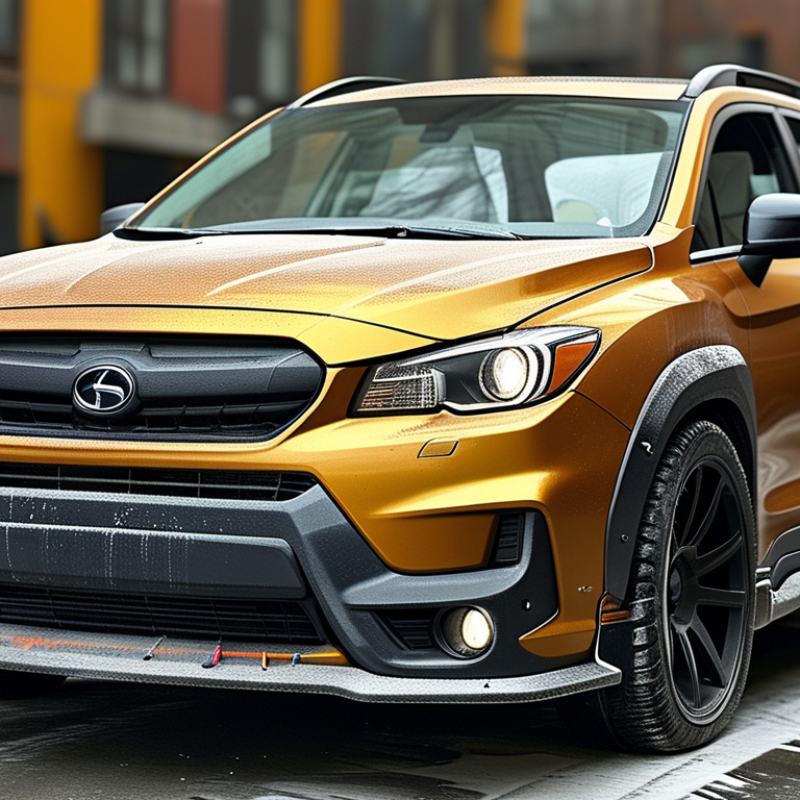
7 Tips for Choosing the Right Car Front Bumper
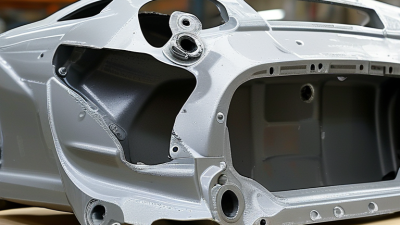
Safety should guide every bumper decision, not appearance alone. Check whether the bumper matches your vehicle’s exact year, body style, and mounting points. A poor fit can leave uneven gaps and weaken crash protection. Look for reinforced areas, reliable fasteners, and compatibility with parking sensors, cameras, and lighting. These details matter during low-speed impacts. They can also affect how safety systems respond.
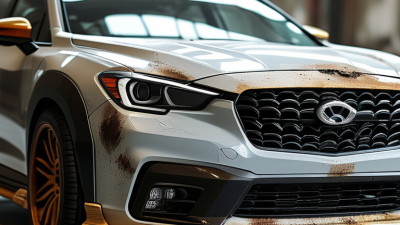
Durability depends on material, construction, and daily conditions. Plastic composite bumpers can resist corrosion and remain lightweight. Metal options may provide stronger impact support but can add weight. Inspect the thickness, internal brackets, and surface finish. Ask how the bumper handles heat, road salt, and repeated vibration. Cheap hardware often becomes the first failure point. It happens more often than expected. A qualified technician should confirm alignment before final installation.
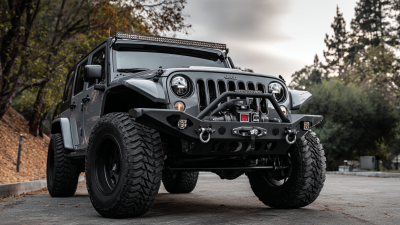
Design still matters, but it should serve function. Choose airflow openings that support engine cooling without exposing fragile components. Check ground clearance if you drive over steep ramps or rough roads. A smooth finish makes scratches easier to notice and repair. Sharp edges may look aggressive, yet they can create practical problems. I would also compare repair costs, warranty terms, and available replacement parts. My own preference can be too subjective. A bumper that looks excellent in a showroom may feel inconvenient after months of parking, cleaning, and winter driving.