Choosing the right Car Front Bumper is not simply a styling decision. It affects crash protection, repair costs, airflow, sensor placement, and daily driving confidence. A bumper that looks impressive online may not fit your vehicle’s mounting points or safety systems.
NHTSA’s Traffic Safety Facts reports that pedestrian and low-speed collision risks remain serious concerns for modern vehicles. IIHS research also highlights how vehicle design influences injury outcomes in crashes. These findings make bumper structure important, especially around the grille, headlights, parking sensors, and pedestrian-impact zones. In practical terms, inspect the bumper’s material, reinforcement beam, mounting brackets, tow-hook openings, and compatibility with cameras or radar sensors. Small differences matter.
Fitment comes first.
OEM replacement parts usually offer the most predictable alignment. Aftermarket options may reduce cost, but quality varies between manufacturers. CCC Intelligent Solutions’ automotive claims reporting has repeatedly identified rising repair complexity, partly because newer vehicles contain more sensors and electronic components. A replacement bumper may therefore require calibration after installation. That step is often overlooked.
A common workshop lesson is simple: a perfect-looking panel can still be the wrong part. Check the vehicle year, trim, engine layout, parking-assistance package, and regional specifications before buying. I would also question exaggerated claims about “stronger” materials without test evidence. Steel, aluminum, thermoplastic, and composite designs each behave differently. Your choice should balance verified protection, accurate fit, repairability, appearance, and total installation cost.
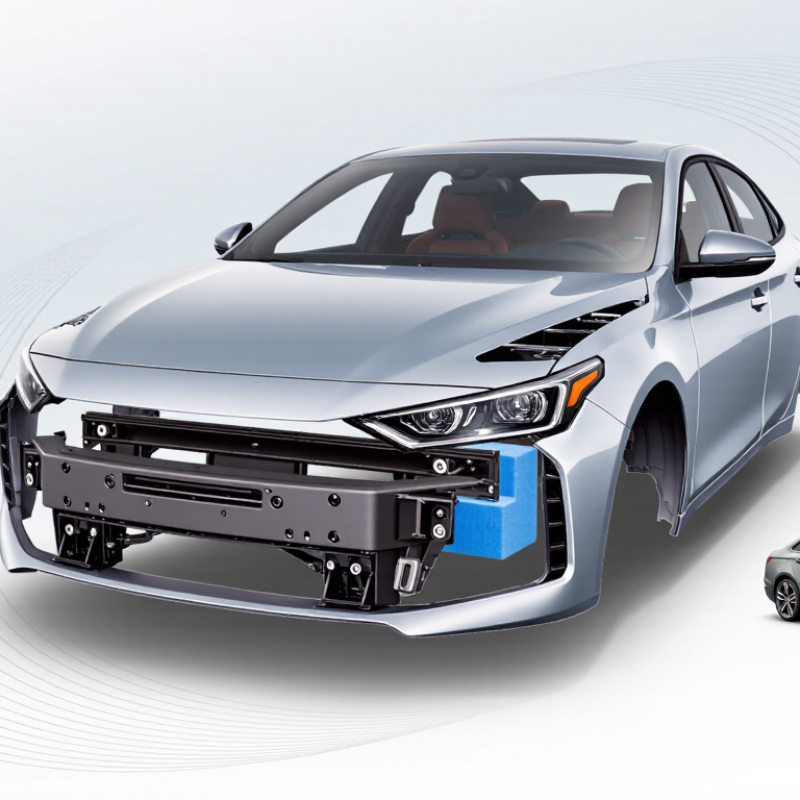
Choosing the right car front bumper starts with understanding its type and purpose. A standard replacement bumper usually follows the vehicle’s original shape, mounting points, and safety design. It suits daily driving and restores damaged bodywork without changing the vehicle’s behavior. An off-road bumper often uses thicker steel or reinforced aluminum. It may improve approach angles and recovery options, but it can add weight and affect handling.
Material matters.
Plastic composite bumpers are light and commonly designed to absorb low-speed impacts. Steel bumpers resist harsh contact, yet they may transfer more force to the frame if poorly fitted. Some bumpers include openings for grilles, fog lamps, parking sensors, cameras, or airflow ducts. A small mismatch can block a sensor or reduce cooling performance. Check every mounting bracket, connector, and clearance point before installation.
I have seen owners choose the strongest-looking bumper and overlook weight distribution. That choice was not always wise. A bumper should match the vehicle’s suspension, frame, and normal use. Confirm the correct model year and front-end configuration. Look for accurate measurements, durable fasteners, and clear installation instructions. Professional inspection is sensible after any major front-end impact, even when the bumper appears undamaged. Surface appearance can mislead.
Vehicle front bumpers are designed around different priorities, including low-speed impact absorption, structural protection, pedestrian safety, off-road durability, and aerodynamic performance.
The chart shows whether each bumper type commonly includes a specific design function. A value of 1 means the function is typically present or emphasized, while 0 means it is not a defining feature. Actual construction varies by vehicle model, market regulations, and installation requirements.
Matching a front bumper begins with exact vehicle information, not appearance. Record the model year, body style, trim, engine option, and drivetrain. Small differences can change mounting points or sensor openings. The vehicle identification number can confirm production details. Check it carefully. Repair manuals and reliable parts catalogs are useful references, but listings sometimes contain errors. I have seen “fits all” descriptions fail because a grille shape changed midyear. That detail is easy to miss.
Compare the bumper’s bolt locations with the original part before ordering. Measure the width, grille opening, fog-lamp spaces, and lower air intake. Look for provisions for parking sensors, cameras, washers, and headlamp cleaning systems. A bumper without the correct openings may require unsafe alterations. Never trim structural areas casually. The bumper cover also needs compatible reinforcement, brackets, absorbers, and fasteners. These components should match the vehicle’s crash design. A trained collision technician can inspect hidden damage and verify alignment.
Choose the correct material for the vehicle’s intended use and local climate. Flexible plastic may resist minor impacts, while painted composite needs careful preparation. Confirm color coding, finish, and sensor compatibility before installation. Test-fit the part without forcing it. Uneven gaps often reveal a wrong variant or bent support. I once trusted a product photo too much; the actual contour differed near the wheel arch. That experience changed my process. I now compare measurements and installation photographs, not just catalog wording. Keep the old bumper until the replacement fits properly.
Choosing a front bumper begins with material, not appearance.
Steel reinforcement offers high tensile strength, while aluminum reduces weight and resists corrosion. Thermoplastic covers flex during minor impacts and often cost less to replace. A foam absorber should sit between the cover and reinforcement. Without it, a five-mile-per-hour impact can transfer force directly into expensive components.
NHTSA’s Federal Motor Vehicle Safety Standard 581 evaluates bumper damage resistance at 2.5 and 5 mph impacts. RCAR repairability procedures commonly examine low-speed impacts around 15 km/h. These figures help compare designs, but they do not predict every road collision.
Look for controlled deformation, secure mounting points, energy-absorbing brackets, and unobstructed sensor areas. NHTSA reported 7,522 pedestrian fatalities in 2022, so bumper height and edge softness deserve careful attention.
A bumper that survives a parking impact may still create serious pedestrian injury.
That distinction is easy to miss.
During inspection, check whether the reinforcement aligns with the vehicle’s frame rails. Examine cracks around parking sensors, grille openings, and headlamp mounts. I once assumed a thicker bumper was automatically safer. That assumption was wrong. Excessive stiffness can redirect crash energy into the frame or occupants. Compatibility matters too; aftermarket parts may fit visually but deform differently. Choose components supported by documented crash testing, material specifications, and repair procedures from recognized safety authorities. Thin plastic alone is not protection.
Choosing the right car front bumper starts with fitment, not appearance. Measure the original bumper and compare its mounting points, width, grille openings, and wheel-arch shape. Check the vehicle year, body style, trim level, and production changes. Small differences can prevent proper installation.
Compatibility requires more than matching the car model. Confirm openings for parking sensors, cameras, fog lamps, cooling ducts, and headlight washers. Some bumpers also require specific brackets, wiring clips, or sensor holders. A reliable parts catalog or repair manual can confirm these details. In my workshop checks, sensor placement causes many avoidable problems. The bumper may physically fit but still trigger warning lights.
Installation needs careful preparation. Inspect the replacement for warped edges, cracked tabs, or uneven paint before removing the old part. Use the correct fasteners and follow the recommended tightening sequence. Do not force a misaligned panel. That usually hides a deeper fitment issue. I have learned that a two-millimeter gap can become obvious after final assembly. Check the hood, headlights, fenders, and grille lines from several angles. After installation, test sensors, lights, camera views, and bumper stability at low speed. A rushed final check is easy to regret.
Cost matters, but it should not control the entire decision. S&P Global Mobility reported that the average U.S. vehicle age reached 12.6 years in 2024. Older vehicles deserve durable replacement parts, not merely the cheapest option. A bumper with accurate mounting points can reduce fitting labor and hidden adjustments. Ask for material specifications, corrosion protection, and a written warranty. Plastic quality varies more than many buyers expect.
Fit comes before appearance. A well-designed bumper should align with the hood, headlights, fenders, and grille without forced gaps. It must also preserve parking sensors, cameras, airflow openings, and energy-absorbing structures. CCC Intelligent Solutions’ 2024 Crash Course reported continuing growth in scanning and calibration during collision repairs. That trend makes sensor compatibility a practical cost issue. A stylish bumper can become expensive if it triggers repeated calibration work.
Think beyond the first invoice. I have seen inexpensive parts require extra sanding, repainting, or bracket modification. That judgment is not perfect. Sometimes a modestly priced part performs well. Compare the total installed cost instead. Check impact resistance, paint adhesion, drainage design, and replacement fasteners. Choose styling that suits the vehicle’s original proportions. Dramatic shapes may age quickly. Good fit is quieter. It usually lasts longer.