2026 Top Car Front Bumper Trends for Global Buyers?
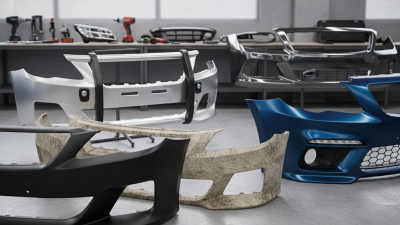
As the automotive industry evolves, the "Car Front Bumper" stands as a critical design element. Trends in bumpers influence both aesthetic appeal and safety features. According to a recent report by Grand View Research, the global automotive bumper market is projected to grow substantially, with a value exceeding $50 billion by 2025. This growth indicates a rising demand for innovative designs and materials.
In 2026, consumers will increasingly prioritize sustainability in bumper design. Lightweight materials like carbon fiber and thermoplastics will gain traction. Notably, these materials not only enhance efficiency but also reduce manufacturing waste. The integration of smart technology, such as sensors, is also becoming a common expectation.
However, challenges remain. Manufacturers must balance cost with innovation, often facing budget constraints. Additionally, some designs may not undergo sufficient testing, potentially compromising safety. As we analyze these trends, it’s crucial to recognize the implications of bumper design on overall vehicle performance and consumer safety.

2026 Front Bumper Designs: Key Features for Modern Vehicles
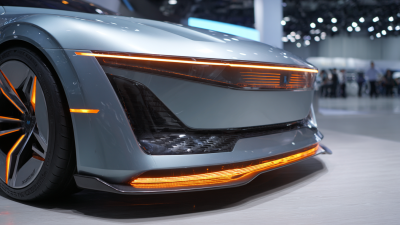
As we look ahead to 2026, front bumper designs for modern vehicles are increasingly emphasizing both functionality and aesthetics.
One prominent trend is the integration of advanced materials, such as lightweight composites, which enhance durability while minimizing weight.
This shift not only improves fuel efficiency but also contributes to better handling.
Additionally, many designs now include aerodynamic features, refining airflow to reduce drag.
Sleek lines and contours become prominent, providing a visually appealing look that is essential for attracting buyers.
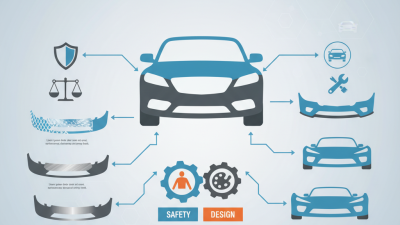
Safety remains a critical factor in bumper design.
Modern vehicles often incorporate energy-absorbing features that mitigate impact forces during collisions.
Some designs also feature sensors and cameras for enhanced driver assistance systems.
These technologies aim to improve overall safety, but their implementation can be complex.
It often leads to higher production costs, a concern for manufacturers and consumers alike.
The challenge will be to balance innovation with affordability.
Furthermore, aesthetic customization is gaining traction.
Buyers increasingly seek unique, personalized bumpers that reflect their style.
This demand has led to a surge in aftermarket options, which can be overwhelming.
Quality control in aftermarket production can be inconsistent.
Consumers may face difficulties in finding reliable, stylish options.
As designers push the envelope, the importance of quality assurance cannot be overstated.
Sustainability in Front Bumper Materials: Trends and Innovations
The automotive industry is increasingly focusing on sustainability. Front bumpers, vital for safety, are now integrating eco-friendly materials. These materials reduce environmental impact while maintaining durability and performance. Innovations include biodegradable plastics and recycled composites. These choices align with global trends toward greener manufacturing.
Manufacturers are exploring advancements in design, too. Lightweight materials enhance fuel efficiency. However, challenges remain in balancing strength with low weight. Some new materials may not be as resilient. Testing and refining are essential in this evolving field.
Consumer awareness is rising. Many buyers prefer vehicles made from sustainable materials. This shift is pushing the industry to adapt faster. Transparency and accountability will be crucial for brands to build trust. Collaboration among stakeholders is necessary for effective material innovation. Adapting to these trends will shape the future of front bumper production.
Impact of Aerodynamics on Front Bumper Design in 2026
In 2026, the design of front bumpers is significantly influenced by aerodynamics. Improved aerodynamics can enhance fuel efficiency and vehicle stability. According to a recent report by the International Society of Automotive Engineers, vehicles with optimized aerodynamics see an increase in fuel economy by up to 10%. This shift encourages manufacturers to prioritize streamlined designs.
The integration of active aerodynamics is becoming more common. These technologies allow front bumpers to adjust based on speed and driving conditions. For instance, at higher speeds, the bumper may extend to reduce lift and drag. This dynamic adjustment reflects a growing understanding of airflow's impact. However, integrating these systems can complicate manufacturing processes. It requires balancing efficiency with cost-effectiveness.
Moreover, the materials used in front bumper construction are evolving. Lightweight composites are now preferred, as they maintain strength while enhancing aerodynamics. A study shows that using these materials can reduce overall vehicle weight by 15%. This reduction not only improves performance but also contributes to better fuel consumption. As trends continue to evolve, manufacturers face the challenge of keeping up with consumer demands for innovation and sustainability.
2026 Top Car Front Bumper Trends for Global Buyers
| Trend |
Description |
Impact on Aerodynamics |
Material Used |
Projected Adoption Rate (%) |
| Active Aerodynamics |
Bumpers that adjust automatically to optimize airflow |
Significantly reduces drag at high speeds |
Carbon Fiber, Composites |
40% |
| Integrated Sensors |
Sensors embedded for enhanced safety and performance |
Improves airflow management around the vehicle |
Plastic, Metal |
30% |
| Lightweight Designs |
Focus on reducing weight for better efficiency |
Lowers overall vehicle weight, enhances fuel economy |
Aluminum, High-strength Plastics |
45% |
| Customizable Aesthetics |
Bumpers that can be easily personalized by owners |
May affect airflow but enhances user satisfaction |
Composite Materials |
35% |
| Eco-friendly Materials |
Use of sustainable, recyclable materials in bumpers |
Potentially enhances environmental impact without sacrificing performance |
Recycled Plastics, Bio-composites |
50% |
Safety Standards and Regulations Shaping Front Bumper Trends
The evolution of front bumper designs is increasingly influenced by safety standards and regulations. In many regions, regulations demand that bumpers absorb more impact. This has led to innovative materials and design techniques that enhance crashworthiness. For instance, manufacturers are now exploring advanced polymers and composite materials. These materials not only reduce weight but also improve the efficacy of the bumper during collisions.
Moreover, the integration of technology has brought about significant changes. Sensors and cameras are being incorporated into bumper designs. This allows for better detection of obstacles and enhances overall vehicle safety. However, some may argue that focusing too much on technology can lead to bumps that prioritize features over fundamental protective qualities. Balancing these aspects will be essential as we look ahead to 2026.
Compliance with regulations can be a double-edged sword. While it pushes for safer designs, it can stifle creativity. Designers may find themselves constrained by the need to meet strict mandates, leading to less innovative outcomes. The challenge lies in creating bumpers that are both compliant and aesthetically pleasing. The push for safety must not overshadow the vision of what future vehicle exteriors could be.
2026 Top Car Front Bumper Trends for Global Buyers
Consumer Preferences: What Buyers Want in 2026 Front Bumpers
As we look ahead to 2026, consumer preferences for front bumpers are evolving. Buyers are increasingly concerned about safety and functionality. Enhanced protection during collisions is a top priority. A trend towards more robust materials is evident. These materials must absorb impact effectively while maintaining a seamless look.
Another preference that stands out is the desire for customizable designs. Consumers want bumpers that reflect their personal style. Sleek lines, vibrant colors, and unique finishes grab attention. However, the challenge remains in balancing aesthetics with practical features. Many consumers face frustration when options are limited in their regions.
Furthermore, eco-friendliness is becoming crucial for buyers. Sustainable materials and manufacturing processes attract more attention. Yet, some still question the durability of these greener options. The movement towards environmental responsibility is commendable but needs more viability. Realigning traditional practices with modern preferences will require more innovative solutions.