Top 5 Tips for Choosing the Best Car Front Bumper?
When it comes to enhancing your vehicle's appearance and safety, the car front bumper plays a crucial role. Choosing the right car front bumper can significantly impact both functionality and aesthetics. This part is not merely a piece of plastic; it absorbs shocks and protects vital components. Therefore, making an informed choice is essential.
Many factors come into play when selecting a car front bumper. You need to consider materials, design, and compatibility with your vehicle's make and model. Some aftermarket options may look attractive but could compromise safety. It's vital to understand how each option affects performance and durability.
Understanding your needs can guide you toward the perfect front bumper. Researching reputable brands is important, but personal experiences can vary. You might find an option that works for others but not for you. Always seek professional advice or installation services to avoid costly mistakes. A well-chosen bumper can enhance your car's function and ensure style.
Understanding the Importance of a Car Front Bumper
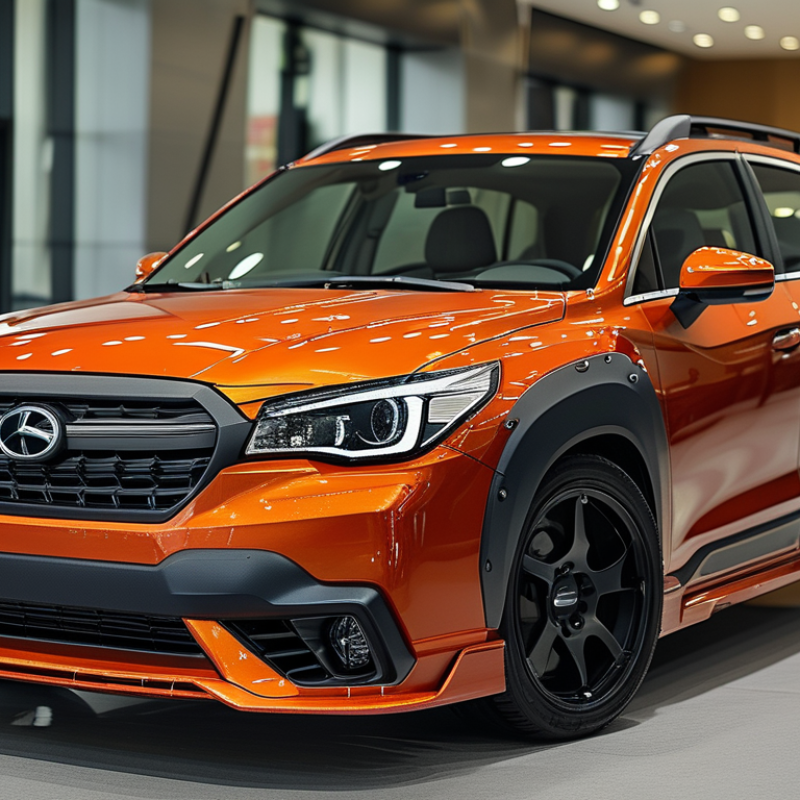
A car front bumper plays a crucial role in vehicle safety and aesthetics. It absorbs impacts during collisions, minimizing damage to essential components. A well-selected bumper enhances the vehicle's look while offering better protection. Understanding this importance is vital for car owners.
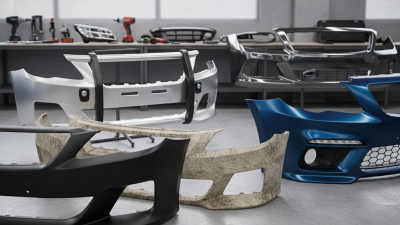
When choosing a bumper, first consider the material. Options include plastic, fiberglass, and steel. Each material has distinct advantages and disadvantages. For example, plastic is lighter but may crack more easily. Steel offers superior protection but is heavier. A balance between aesthetics and functionality is necessary here.
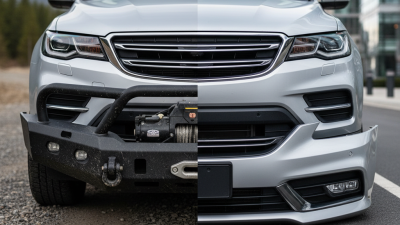
Additionally, think about compatibility. Ensure that the bumper fits your vehicle model. An ill-fitting bumper can lead to installation issues and reduced safety. Check manufacturer specifications or consult an expert to avoid costly mistakes. Don't forget about your driving style. If you often drive off-road, choose a bumper designed for rugged terrain. This choice can elevate your car’s performance and appearance.
Evaluating Material Options for Durability and Weight
When selecting a car front bumper, material choice is critical. Options like plastic, steel, and fiberglass each have unique attributes. Plastic bumpers are lightweight and can absorb impacts well. However, they might crack under extreme conditions. According to a 2021 automotive materials report, nearly 70% of car manufacturers prefer plastic for its moldability and cost-effectiveness.
Steel bumpers offer durability. They stand up against harsh environments and potential accidents. Still, the trade-off is weight. Heavier materials can affect fuel efficiency, which is a concern for many drivers. A study published in the Journal of Automotive Engineering notes that vehicles equipped with steel bumpers can reduce overall mileage by approximately 5-10%.
Fiberglass is another option, known for being lightweight yet strong. However, its lower impact resistance can lead to higher repair costs. Choosing the right material involves balancing strength, weight, and potential repair expenses. Research suggests that more than 40% of car owners overlook these factors, potentially leading to dissatisfaction later on. It's essential to reflect on how each material aligns with your driving habits and vehicle use.
Assessing Compatibility with Your Vehicle Model
Choosing the right car front bumper is crucial for both aesthetics and functionality. Assessing compatibility with your vehicle model is a primary step. Each vehicle type has a specific design, and selecting an incompatible bumper can lead to issues like improper fit or safety hazards. According to a report by the Automotive Body Parts Association, nearly 30% of vehicle owners face problems when purchasing aftermarket parts, mainly due to compatibility issues.
When considering compatibility, take note of your vehicle's make, model, and year. Referencing your vehicle’s owner manual can provide precise specifications. Often, manufacturers outline particular bumper designs suited for your model. Ensure that the chosen bumper matches the existing mounting points and alignment. Not aligning your bumper properly can lead to structural weaknesses.
Tip: Test fit the bumper before finalizing your purchase. Another suggestion is to consult online forums or user reviews. Many car enthusiasts share compatibility experiences that can guide your choice. A detailed comparison chart could also highlight variations across models, making your decision easier. Remember, investing time in research can save money and improve your vehicle's performance significantly.
Top 5 Tips for Choosing the Best Car Front Bumper
| Tip |
Description |
Compatibility Factors |
Material Options |
| 1. Assess Vehicle Model |
Ensure the bumper is designed for your specific make and model. |
Year, Make, Model |
Plastic, Steel, Fiberglass |
| 2. Check for Regulations |
Verify that the bumper complies with safety and environmental codes. |
Safety Standards, Emission Regulations |
Polyurethane, Aluminum |
| 3. Consider Installation |
Determine if the bumper requires professional installation or can be DIY. |
Installation Difficulty, Required Tools |
OEM, Aftermarket |
| 4. Evaluate Aesthetics |
Choose a style and finish that complements your vehicle's look. |
Design, Color |
Painted, Matte, Glossy |
| 5. Analyze Pricing |
Compare prices across different options for value. |
Budget, Warranty |
Value for Cost |
Considering Design and Aesthetic Appeal
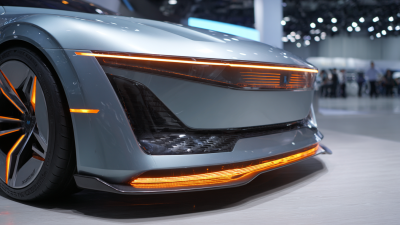
When selecting a car front bumper, design and aesthetic appeal play a crucial role. A well-designed bumper not only enhances the vehicle's overall look but also reflects the owner’s personality. A sleek, modern design can make an old car feel new. Textures, colors, and shapes should complement your car’s natural lines. This can elevate its style and make it stand out on the road.
Consider how the bumper integrates with the rest of your vehicle’s design. Sometimes, the latest trends in automotive aesthetics can be distracting or clash with classic styles. Opting for features like integrated lights or unique contours can add a touch of sophistication. However, choosing something too avant-garde may not appeal to everyone. Some people appreciate more timeless designs and may find bold choices overwhelming.
Ultimately, the right bumper should resonate with your taste while being functional. Reflect on how you want to present your vehicle to the world. A beautiful bumper can enhance curb appeal but must also fit your lifestyle and driving needs. Balancing aesthetics with practicality is essential.
Reviewing Safety Standards and Impact Resistance
When selecting a front bumper for your vehicle, safety standards and impact resistance are critical factors. A well-constructed bumper can absorb shocks during collisions, reducing damage to both the car and its occupants. Manufacturers must comply with various safety regulations. This compliance ensures that bumpers perform well under stress.
Consider the material used in the bumper. Steel and high-strength plastics offer good impact resistance. Look for bumpers that undergo rigorous testing for durability. Not all bumpers are created equal. Some may look great but lack essential safety features. Always check for detailed specifications before making a choice.
When evaluating bumper options, take note of the design. A well-designed bumper can enhance aerodynamics, contributing to better fuel efficiency. However, aesthetics should not overshadow safety. Opt for a bumper that balances visual appeal with effective cushioning. Remember, a bumper with superior safety features may appear bulkier. This is often a sign of good protection—don’t shy away from that extra thickness. Exploring user reviews can provide insights. Be aware of user experiences, as they often highlight both strengths and weaknesses of specific models.
Impact Resistance of Car Front Bumpers
This chart illustrates the impact resistance ratings of various materials used in car front bumpers, measured in kilonewtons (kN). Carbon fiber has the highest resistance, making it an excellent choice for safety and performance.