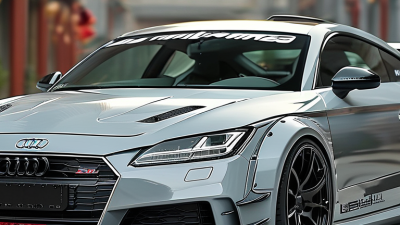
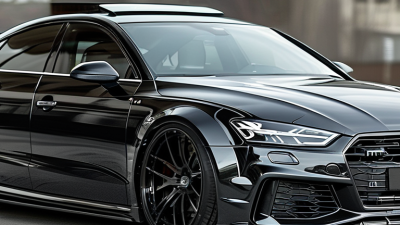
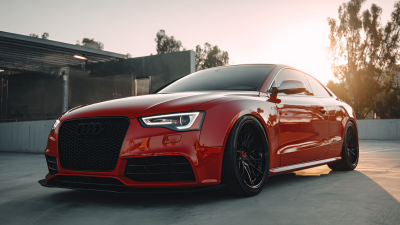
An Audi’s shape can look complete from the factory, yet a few carefully chosen parts can change its character. A front splitter sharpens the nose. Side skirts visually lower the body, while a rear diffuser or spoiler can give the tail a more purposeful finish. The right Audi Bodykit is not simply the most dramatic one. Fit, material quality, and compatibility with the specific model matter just as much.
The broader aftermarket is substantial, though it does not measure Audi body kits alone. Grand View Research valued the global automotive aftermarket at approximately USD 468.9 billion in 2023 and projected continued growth through 2030. That context signals a large customization market, but it should not be mistaken for body-kit sales data. Details make the difference. A poorly matched bumper can leave uneven gaps or disrupt the car’s original lines.
Walter de Silva, former head of design at Audi, has described the car as “a sculpture in motion.” That idea offers a useful lens for comparing kit styles: subtle OEM-plus upgrades, aerodynamic-inspired packages, and more assertive wide-body designs. Each changes the car’s visual balance in a different way. Small changes matter. And fitment comes first.
This guide explores the leading types of Audi body kits, what distinguishes them, and which details deserve close inspection before choosing one. It also considers practical trade-offs, including installation, finish, and how well each style suits the car’s existing design. A striking look is only part of the decision.
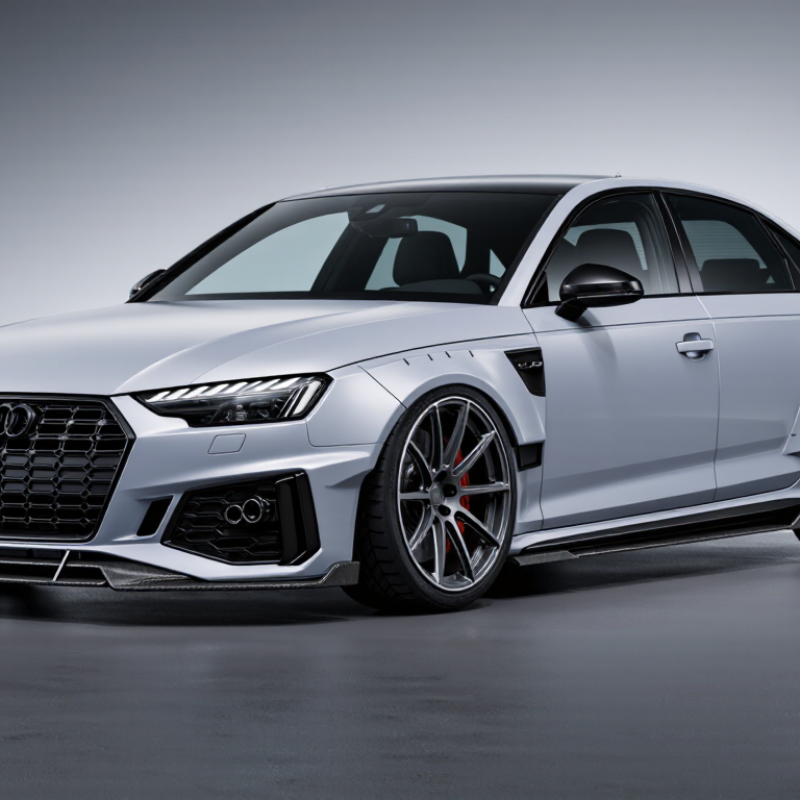
Body kits are commonly classified by the parts they replace or add. A lip kit may include a front splitter, side skirts, and a rear diffuser, changing the car’s lower profile without replacing every panel. A full kit covers more areas, while a wide-body setup uses extended fenders to create extra tire clearance. These categories describe coverage, not guaranteed performance.
Tips: Check the exact model year and trim before ordering. Compare mounting points, sensor openings, and ground clearance. Fit comes first. A professional test-fit can reveal gaps before paint is applied.
Kits can also be grouped by material and design purpose. Fiberglass is often easier to shape, but it may crack under a sharp impact. Flexible plastics can better tolerate minor bumps, though finish and fit vary. Carbon-fiber parts are light, but usually cost more and still need careful installation.
Some designs emphasize a subtle factory-like appearance; others use larger vents and pronounced edges. Not every aggressive shape improves airflow. It is worth questioning the look, too: a dramatic part can seem mismatched on a daily-driven sedan. Small changes matter.
A front bumper sets the visual tone of an Audi body kit, but shape should not be the only consideration. Look for even panel gaps, secure mounting points, and openings that leave cooling components unobstructed. If the car has parking sensors or driver-assistance hardware, the replacement must accommodate them correctly. Small alignment errors show quickly under daylight. A careful installer can check clearances before final fastening, though some aftermarket parts still need adjustment. That is worth discussing before purchase.
A splitter adds a lower edge beneath the bumper and can make the front end appear closer to the road. Its real-world effect depends on the design, speed, and vehicle setup; appearance alone does not prove improved handling. Check ground clearance near ramps and steep driveways. Scraping is easy. A grille also shapes the front-end character, while its openings help air reach the radiator and other components. Choose a pattern that preserves useful airflow and fits firmly without rattling. There is a trade-off: an aggressive look can feel out of place on a restrained build, and the perfect fit is not always perfect straight from the box.
Side skirts shape the visual line between an Audi’s wheels, making the body appear lower and more connected to the road. Subtle, factory-style designs follow the original sill closely and suit drivers who want a restrained change. Sculpted versions add raised contours or recessed channels, catching light along the doors. Extended skirts project farther outward for a stronger profile, but they can make narrow parking spaces and steep driveways less forgiving. Small details matter.
Material and fit affect both appearance and daily use. ABS plastic is often chosen for its balance of flexibility and cost, while fiberglass can support sharper shapes but may need more careful handling. Check the mounting points and panel gaps before installation; even a well-designed skirt looks awkward if it sits unevenly. A dry fit can reveal clashes with mud flaps or door edges. Decorative fins may add visual texture, though extra detailing is not always an improvement. A sleek profile can look less convincing when it scrapes on ordinary ramps, so measure ground clearance against the routes you actually drive.
Rear bumpers change the car’s visual balance and can protect lower bodywork from minor parking scrapes. Look closely at the mounting points, sensor openings, and exhaust cutouts before choosing one. Even a small mismatch can leave uneven gaps or interfere with existing equipment. A clean fit matters more than an aggressive shape.
Diffusers sit beneath the rear bumper, where their fins create a more finished, purposeful appearance. On a road car, they are often styling pieces, not proven aerodynamic upgrades. Check ground clearance, especially if driveways or speed humps are part of your routine. Scraping gets old quickly. Spoilers add height and a sharper profile, but size and placement affect how integrated they look. Compare the spoiler’s edge with the roofline and trunk, and confirm that its mounting method suits the panel. Some designs look striking in photos yet feel oversized in person; that is an easy detail to underestimate. Match finishes carefully, since textured black, gloss, and painted surfaces can look quite different in daylight. Before installation, verify fitment for the exact body style and model year. A patient test-fit can reveal problems early.
| Body Kit Component | Primary Purpose | Common Materials | Typical Fitment Notes | Installation Considerations |
|---|---|---|---|---|
| Rear Bumper | Changes the rear-end appearance and may incorporate revised openings, trim, or exhaust outlets. It also protects the vehicle’s rear structure in low-speed contact. | ABS plastic, polyurethane, or fiberglass | Must match the vehicle’s model year, body style, parking sensors, exhaust layout, and other existing equipment. | Often requires removal of the original bumper cover, careful alignment, and possible paintwork. Sensor or exhaust adjustments may be needed. |
| Rear Diffuser | Shapes airflow beneath the rear of the vehicle. Its aerodynamic contribution depends on the design and how it works with the vehicle’s underbody. | ABS plastic, polyurethane, or carbon-fiber composite | Usually designed for a specific rear bumper shape and underbody configuration; check clearance and exhaust positioning. | May attach to existing mounting points or require additional hardware. Secure mounting and adequate ground clearance are important. |
| Rear Spoiler | Alters airflow over the rear of the vehicle and adds a distinct styling feature. Its aerodynamic effect varies with its size, angle, and vehicle design. | ABS plastic, fiberglass, or carbon-fiber composite | Fitment can differ between sedan, hatchback, and other body styles, as well as between model years. | May use adhesive, bolts, or both. Drilling, if required, should be sealed properly to help prevent water intrusion. |
| Front Splitter or Front Lip | Extends the lower front edge of the bumper and can influence airflow under the vehicle; it also creates a lower, sportier appearance. | ABS plastic, polyurethane, or carbon-fiber composite | Requires a compatible front bumper and sufficient clearance for driveways, ramps, and uneven roads. | Mounting points should be checked for strength. A lower profile can increase the risk of scraping. |
| Side Skirts | Connect the visual line between the front and rear bodywork and can help manage airflow along the sides when designed as part of a complete aerodynamic package. | ABS plastic, polyurethane, or fiberglass | Must suit the vehicle’s wheelbase, side-sill shape, and door configuration. | Installation commonly uses clips, adhesive, or fasteners. Confirm door clearance and ground clearance before fitting. |
Full-body kits create a coordinated change across the front bumper, side skirts, rear diffuser, and spoiler. On Audi models, this approach can make the car look lower and more cohesive without widening its track. SEMA’s 2023 Market Report estimated U.S. specialty-equipment sales at $52.3 billion in 2022. That figure covers many upgrades, not body kits alone, but it shows the scale of the customization market.
Widebody kits add fender extensions or replacement panels to accommodate a broader stance. They can make a compact coupe look planted, especially beside carefully fitted wheels. But the extra width affects clearance, and poor alignment can leave uneven panel gaps. Fitment varies by model year, trim, and existing equipment. Dramatic is not always practical. Sensor locations and wheel clearance deserve a close check before buying.
Tips: Compare the kit’s fitment notes with your exact vehicle and inspect installation requirements. Ask a qualified body shop about panel preparation, paint matching, and final clearances. Fitment can be fussy. Even a small gap may stand out under bright light.
Typical exterior coverage by kit type
A full-body kit commonly updates the front bumper, rear bumper, and side skirts. A widebody kit focuses on adding fender extensions and may also include revised bumpers or side skirts. Component lists vary by vehicle and kit; the counts shown are illustrative, not a universal fitment list.