What Are the Top Types of Audi Auto Parts?
Choosing the right Audi Auto Part starts with understanding what wears, what fails, and what must fit the exact vehicle. Audi models combine braking, suspension, engine, electrical, cooling, and transmission systems in tightly integrated packages. A brake pad that looks correct may still differ by model year, engine, or brake configuration. Small details matter.
The wider service market offers useful context, but it cannot predict which part an individual Audi needs. S&P Global Mobility reported that the average age of U.S. light vehicles reached 12.6 years in 2024. That helps explain why maintenance and replacement parts remain important across the industry. The Auto Care Association’s 2024 Factbook estimated U.S. automotive aftermarket sales at about $391 billion for 2023. These figures cover broad vehicle populations, not Audi parts alone. That distinction matters.
For Audi owners and repair professionals, the practical shortlist often includes filters, brake components, batteries, sensors, suspension parts, and cooling-system components. Each category has different warning signs: a pulsing brake pedal, a weak cold start, or a coolant smell near the front of the car. Still, symptoms do not confirm a failed part. A proper inspection and a VIN-based fitment check reduce guesswork. Even then, aftermarket listings can be confusing. This guide compares common Audi part types, explains their roles, and highlights what to verify before purchase. Exact fitment comes first.
Major Categories of Audi Auto Parts
Major Categories of Audi Auto Parts
Engine and drivetrain parts form one major group. They include filters, belts, ignition components, sensors, transmission parts, and axle assemblies. A clogged air filter may reduce airflow, while a worn belt can produce visible cracking or squealing. These clues help guide inspection, but they do not confirm a fault on their own.
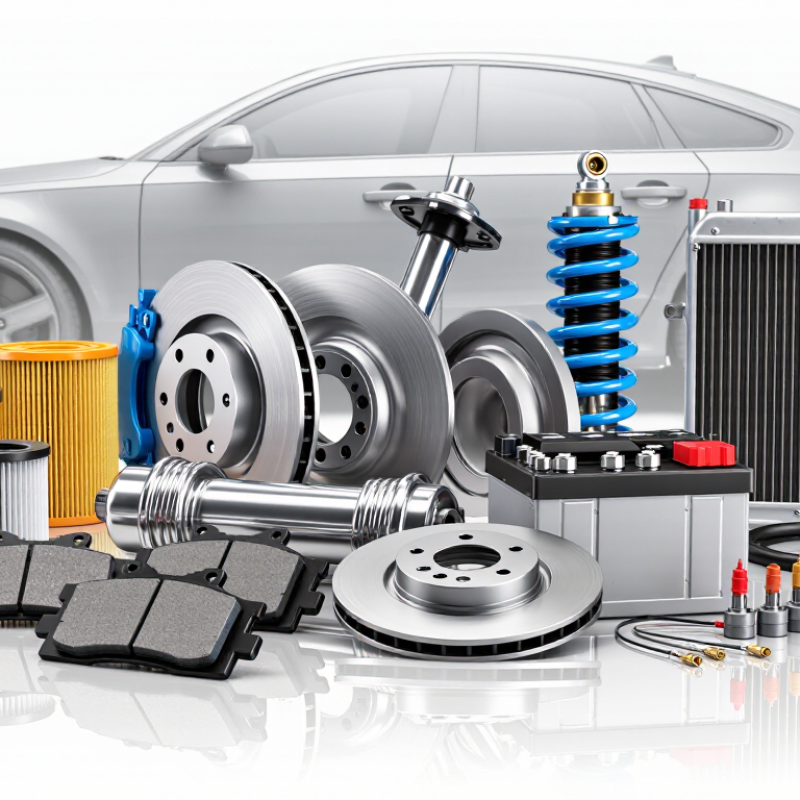
Braking and suspension components affect stopping and handling. Brake pads, rotors, calipers, control arms, and shock absorbers are common examples. A steering wheel that vibrates during braking deserves attention; so does uneven tire wear. Electrical parts, including batteries, alternators, wiring, and control modules, make up another important category. Diagnosis matters here. Replacing a sensor without checking its circuit can waste time and money.
Body and interior parts include lamps, mirrors, trim, seats, and window mechanisms. Routine service items, such as oil filters, cabin filters, and spark plugs, are often grouped separately because they need periodic checks. This grouping is useful, but not perfect: some components serve several systems. Match parts to the vehicle’s year, engine, and equipment, then verify fitment with reliable catalog data. Small differences matter. A familiar-looking connector may still be wrong.
Engine and Drivetrain Components
Engine and Drivetrain Components
Engine and drivetrain parts work together to turn fuel and motion into steady road performance. Key engine components include air and oil filters, spark plugs, belts, cooling parts, and sensors. Each has a distinct role. A clogged filter can restrict airflow, while worn plugs may cause rough idling or slower starts. Small signs matter.
Drivetrain components carry power from the engine to the wheels. Depending on the vehicle’s design, these may include the transmission, driveshafts, axles, differential, and related mounts. A clunk during gear changes or a vibration under acceleration can point to wear, but symptoms overlap. Diagnosis is not always neat. A loose mount, for example, can feel like a deeper transmission problem. Check service records and confirm the exact part specification before ordering; fit and compatibility matter.
Tips: Note when a noise occurs, such as during cold starts or turns. Compare the symptom with the vehicle’s maintenance history. Avoid replacing parts by guesswork. A careful inspection can save time, though it may not reveal everything at once.
Top Types of Engine and Drivetrain Components
General estimated service-life ranges for selected components (thousand miles)
These illustrative, industry-wide ranges are not vehicle-specific service recommendations. Actual replacement timing depends on the vehicle, driving conditions, and inspection results; follow the owner’s manual. Timing belts apply only to engines equipped with one.
Suspension, Steering, and Brake Parts
Suspension, steering, and brake parts shape how an Audi handles ordinary roads. Suspension components, including dampers, springs, and control arms, help keep tires in contact with uneven pavement. Worn parts may cause clunks, excessive bouncing, or uneven tire wear. Steering components such as tie rods and ball joints help the wheels respond accurately to driver input. A loose steering feel deserves attention, even if the car still tracks straight. Brakes rely on parts like pads, rotors, calipers, and hoses to slow the vehicle predictably. Vibration while braking can point to several causes, so it should not be diagnosed by appearance alone.
Tips: Check for changes in ride height, steering response, and braking feel. Note when symptoms occur, such as over bumps or during gentle stops. Have a qualified technician inspect related components before replacing parts; one worn joint can affect nearby pieces. Match replacement parts to the vehicle’s exact year and configuration, and follow service procedures. Fit matters. I have seen owners focus on the loudest symptom and miss a small, loose component nearby. That is easy to do, and worth reconsidering. Regular inspections can catch wear early, but they cannot guarantee that every hidden fault will be found.
Body, Lighting, and Exterior Parts
What Are the Top Types of Auto Parts?
Body, lighting, and exterior parts shape both appearance and road performance. Body panels, grilles, bumpers, mirrors, and door handles protect vulnerable areas. A precise panel gap matters. It can reveal poor fitting or previous impact damage. In practical inspections, I check mounting points before judging paint quality. A clean surface may hide cracked clips or weak supports. The 2024 U.S. Vehicle Age Report places the average light vehicle age above 12 years. Older vehicles often need exterior replacements, not cosmetic upgrades.
Lighting parts deserve closer attention. Headlamps, fog lamps, tail lamps, indicators, and side markers support visibility in rain, darkness, and heavy traffic. The Insurance Institute for Highway Safety has repeatedly found major differences in headlamp performance between vehicle models. Brighter is not always better. Incorrect beam alignment can create glare and reduce useful road coverage. The 2023 Traffic Safety Facts report recorded more than 40,000 U.S. traffic deaths, reinforcing the value of reliable visibility equipment.
Exterior components include spoilers, wheel-arch trims, underbody shields, and roof accessories. These parts can reduce airflow disruption and protect painted surfaces. However, aerodynamic claims are sometimes overstated. A loose shield may create noise instead of efficiency. Check material thickness, fastener locations, corrosion resistance, and compatibility with existing sensors. I would also inspect used lighting for moisture inside the lens. That small defect is easy to miss, yet it can damage electrical connections over time.
Top Types of Automotive Body, Lighting, and Exterior Parts
| Category |
Part |
Primary Function |
Common Materials |
Common Reasons for Inspection or Replacement |
| Body |
Bumper cover and reinforcement |
The cover forms the visible outer surface; the reinforcement helps manage impact loads. |
Cover: thermoplastic polymers. Reinforcement: steel or aluminum. |
Cracks, deformation, loose mounting points, or damage after a collision. |
| Body |
Hood |
Covers the engine compartment and provides access for servicing. |
Steel or aluminum. |
Dents, corrosion, damaged hinges, or a latch that does not secure properly. |
| Body |
Fender |
Surrounds the wheel opening and helps limit road spray and debris from the tires. |
Steel, aluminum, or molded plastic, depending on vehicle design. |
Collision damage, corrosion, sharp edges, or poor alignment with adjacent panels. |
| Lighting |
Headlamp assembly |
Provides forward illumination and, where equipped, daytime running or turn-signal lighting. |
Polycarbonate lens with a polymer housing; light sources vary by design. |
Cracked lens, moisture inside the housing, dim or failed lighting, or a misaligned beam. |
| Lighting |
Tail lamp assembly |
Displays rear position, braking, and turn-signal lights to other road users. |
Polycarbonate lens with a polymer housing; light sources vary by design. |
Cracks, water intrusion, failed lights, or damaged electrical connectors. |
| Exterior |
Grille |
Allows airflow to the radiator or other cooling components while helping protect openings from debris. |
Usually molded thermoplastic; some designs use metal trim. |
Broken slats or clips, impact damage, or a loose fit. |
| Exterior |
Side mirror assembly |
Provides rearward visibility and may include adjustment, heating, or turn-signal features. |
Reflective glass, a polymer housing, and metal or polymer mounting components. |
Cracked glass, a damaged housing, loose mounting, or failed adjustment or electrical functions. |
| Exterior |
Windshield |
Provides forward visibility and contributes to the vehicle’s passenger-cell structure. |
Laminated safety glass. |
Cracks or chips in the driver’s viewing area, damage that is spreading, or compromised bonding. |
| Exterior |
Door weatherstripping |
Helps seal gaps against water, wind, and road noise. |
Rubber or synthetic elastomer. |
Cracking, hardening, gaps, water leaks, or noticeably increased wind noise. |
Materials and equipment vary by vehicle design and model year. Always verify part compatibility before replacement.