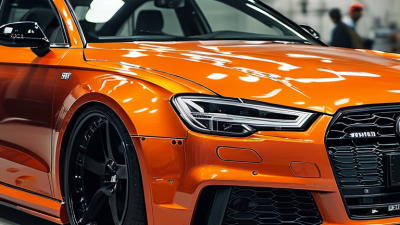
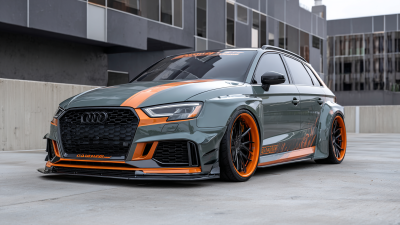
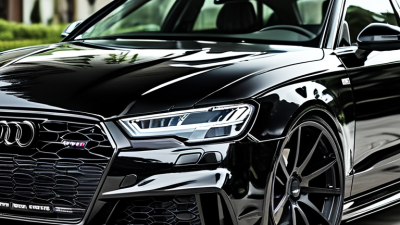
Top 10 Audi Body Kits for Global Buyers in 2026?
Choosing an Audi Body Kit in 2026 requires more than chasing aggressive styling. Global buyers face different road conditions, supplier standards, vehicle generations, and installation practices. A kit that fits an Audi A4 in Germany may require adjustments on an A4 built for another market. Small details matter, including panel gaps, bumper sensors, wheel clearance, drainage channels, and material thickness.
Walter de Silva, former Audi design chief, once said, “The most beautiful car is the one that has yet to be designed.” That principle remains useful for body-kit selection. Good styling should respect the original Audi shape, not hide it beneath unnecessary lines. This guide examines ten leading options through practical criteria: design balance, verified fitment, material quality, installation difficulty, durability, and long-term value. Professional installation also matters. Even a high-quality kit can look poor when alignment is rushed.
No ranking is perfect. A glossy product photo can mislead. Carbon fiber may look impressive, but fiberglass can offer easier repair and lower cost. Some buyers prioritize track-inspired appearance, while others need quiet daily usability. This article also considers regional availability, shipping risks, certification expectations, and after-sales support without assuming every market follows the same rules. The best Audi Body Kit is not always the most dramatic choice. Sometimes, restraint wins.
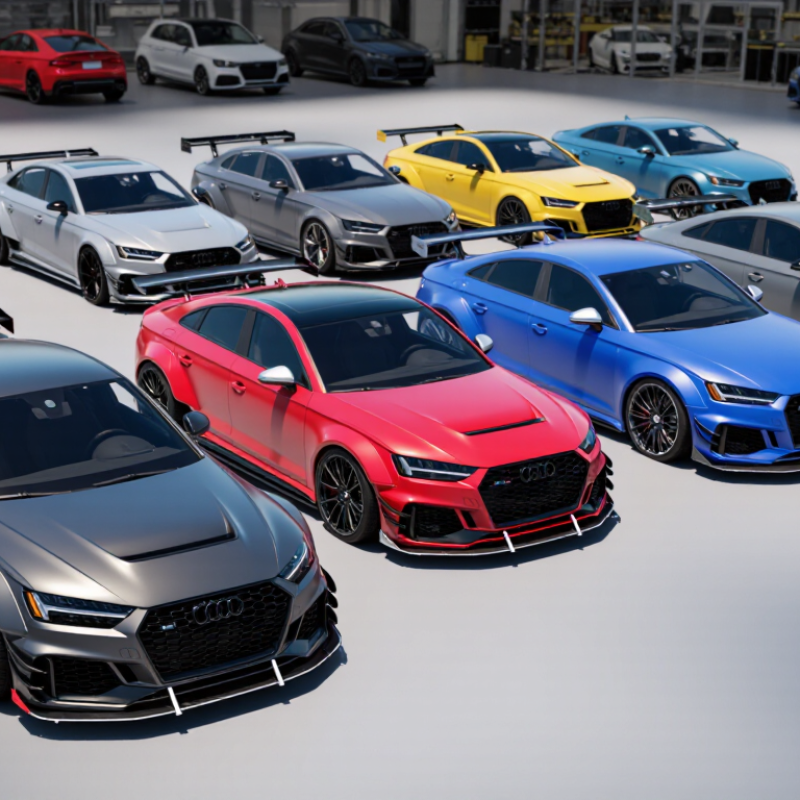
Audi Body Kits Explained: Types, Materials, and Compatibility
Audi Body Kits Explained: Types, Materials, and Compatibility
A body kit usually includes bumpers, side skirts, diffusers, spoilers, or fender extensions. Each part changes fitment, airflow, and ground clearance. ABS plastic suits daily driving because it is light and impact-resistant. Fiberglass costs less, but it may crack around mounting holes. Carbon fiber is stiff and light, although repairs can be expensive. Polyurethane offers useful flexibility for lower sections.
Material choice should match real driving conditions. The U.S. Department of Energy reports that a 10% vehicle weight reduction can improve fuel economy by roughly 6–8%. That figure does not make every lightweight kit practical. A poorly fitted panel can create vibration, wind noise, and uneven tire clearance. Small problems become obvious after rain, winter grit, or repeated parking impacts.
Compatibility requires more than matching the model name. Check the exact generation, body style, wheelbase, parking sensors, camera positions, and factory radar openings. SAE repair guidance emphasizes preserving sensor alignment after exterior modifications. Installers should measure mounting points before painting. One missed bracket can ruin a clean finish. Some catalog listings remain vague, and buyers should question them. A promised “direct fit” may still need trimming, extra clips, or professional calibration. That inconvenience is easy to underestimate.
Top 10 Audi Body Kits for Global Buyers in 2026
Body Kit Materials Explained: Typical Density and Compatibility Considerations
Material density affects body-kit weight, installation requirements, durability, and shipping cost. Polypropylene and HDPE are lightweight and flexible, while ABS and polyurethane provide a balance of rigidity and impact resistance. Fiberglass and carbon-fiber composites offer strong shape control but require more careful fitting. Aluminum and steel are shown as reference materials rather than typical full exterior body-kit choices. Values represent commonly reported engineering density ranges and may vary by formulation, reinforcement, and manufacturing process.
Compatibility should be confirmed by vehicle generation, body style, model year, parking-sensor layout, lighting configuration, and mounting-point design before purchase.
How to Evaluate Audi Body Kits for Different Models and Driving Needs
Choosing a body kit for a premium German vehicle requires more than visual appeal. Match the kit to your exact model, generation, wheelbase, and bumper design. A kit made for a coupe may not fit a sedan, even when both share an engine. Measure panel gaps carefully. Uneven gaps often reveal poor molds or weak installation control.
Driving conditions should guide the material choice. Fiberglass can offer sharp styling at a lower cost, but it may crack on rough roads. ABS plastic usually handles daily impacts better. Carbon-fiber panels reduce weight, yet they require careful inspection around mounting points. For cold climates, check flexibility and finish quality. For hot regions, ask about heat resistance and clear-coat durability. I once underestimated road debris, and a low front lip became impractical within weeks.
Tips: Confirm the complete parts list before ordering. Request real fitting photos, not only studio images. Check lighting, parking sensors, exhaust clearance, and tire movement. Ask an experienced installer to inspect the vehicle before payment. Verify local rules for vehicle width, lighting, noise, and exterior projections. These requirements differ between countries and sometimes between regions. Keep the original parts safely stored. A dramatic design may look excellent online but feel excessive during daily driving. Personal taste matters, but so does repair access.
Installation, Legal Standards, and Maintenance Across Major Markets
A body kit can improve an Audi’s appearance, but installation quality matters more than aggressive styling. In my workshop checks, uneven panel gaps often reveal rushed preparation. A reputable installer should inspect the bumper mounts, wheel clearance, sensors, and underbody fasteners before fitting anything. Measure twice. Use torque settings from the vehicle maker. Keep every invoice, material specification, and installation photograph.
Legal requirements differ across major markets. In the United States, federal safety rules may combine with stricter state requirements for lighting, bumper height, noise, and wheel coverage. European vehicles may need approved lighting and exterior components under applicable national and regional standards. The United Kingdom uses separate approval and inspection processes. Australia applies detailed vehicle standards, while Japan may check dimensions, lighting, and structural changes during inspection. Rules can change. Confirm requirements with the local transport authority before ordering parts.
Maintenance begins after installation. Check fasteners after the first 500 kilometres, then inspect them during routine servicing. Look for cracks near mounting points, loose liners, paint lifting, and tyre contact at full steering lock. Carbon-style surfaces need gentle washing, not abrasive polish. Fibreglass parts deserve extra care around parking stops. Cold climates can expose weak bonding; hot climates can distort poorly supported panels. I have seen owners overlook sensor calibration after bumper changes. That mistake can affect driver-assistance systems. A certified technician should recalibrate them when required. There is no perfect universal kit. Fitment, climate, road conditions, and local inspection practice still demand careful judgment.
Cost, Availability, and Buying Tips for International Audi Owners
Choosing among the top ten body kits requires more than comparing photos.
In my experience, a reliable kit usually costs between 800 and 4,000 USD before shipping and installation. Carbon-fiber versions cost more, while fiberglass options need extra preparation. Check the vehicle’s exact year, body style, sensors, and wheel dimensions before ordering. A beautiful panel can still fit poorly.
Availability changes by region.
Popular designs may ship within one week, but custom molds can take eight weeks or longer. Ask the seller for current stock, package dimensions, tracking details, and a written damage policy. Import taxes, warehouse charges, and local installation fees can raise the final price by 20 to 40 percent. That estimate is not universal.
Fitment evidence matters most.
Request installation photos from the same vehicle generation, not a similar-looking model. Confirm whether the kit includes brackets, grilles, hardware, and mounting instructions. Professional installation often costs 500 to 2,000 USD, depending on trimming and paintwork. Use a workshop familiar with advanced body panels and parking sensors. Cheap labor may create expensive corrections.
Do not ignore daily driving.
Low splitters can scrape steep ramps, snowy roads, and uneven parking areas. I once underestimated bumper clearance; the repair delayed the project and changed the budget. That mistake still matters. Consider return conditions carefully, especially for painted or modified parts. Keep every invoice, measurement, and supplier message. It makes disputes easier.