Choosing the right Car Front Bumper in 2026 requires more than matching a vehicle’s color and shape. Modern bumpers often support parking sensors, radar modules, cameras, grilles, and active airflow systems. A small mismatch can affect appearance, sensor readings, or installation time.
In my experience, accurate vehicle identification remains the safest starting point. Record the make, model, production year, trim, engine type, and parking-assistance features. Check the original part number, mounting points, fog-light openings, and sensor brackets. A bumper may look identical online but use different clips or reinforcement supports. Measure carefully.
Material also deserves attention. ABS plastic is common and practical, while reinforced composites may offer different flexibility and repair options. Inspect the bumper’s surface for uneven edges, thin areas, shipping damage, or poorly finished primer. Do not rely on stock photographs alone. Real details matter.
Safety comes before styling.
A reliable supplier should provide clear fitment data, material information, installation guidance, and return conditions. Professional technicians can also confirm whether calibration is needed after installation. This is especially important when radar or camera systems sit behind the bumper. However, no buying guide is perfect. Vehicle updates, regional specifications, and aftermarket modifications can complicate a simple choice. I have seen attractive replacements create extra work because one bracket was slightly misplaced. Careful verification saves money, time, and frustration. This guide explains the practical checks that help drivers choose confidently in 2026.
Start with the route, not the appearance. A daily urban driver needs a bumper that handles tight parking spaces, low-speed impacts, and repeated stop-and-go traffic. A rural driver may need stronger lower protection, better ground clearance, and resistance to gravel strikes. Record your car’s approach angle, parking-sensor locations, fog-lamp openings, and cooling-air paths before choosing a replacement. Small measurement errors can create expensive problems.
Pedestrian protection also deserves attention. The National Highway Traffic Safety Administration reported 7,522 pedestrian deaths in the United States during 2022. The Insurance Institute for Highway Safety links pedestrian risk to vehicle size, front-end design, speed, and road conditions. Therefore, avoid treating a rigid bumper as a safety upgrade. Choose a certified design that preserves factory restraint systems and sensor performance. A bumper should absorb energy predictably, not simply look tougher.
Weather changes the requirement. In snowy regions, check clearance around packed ice and confirm that mounting points resist corrosion. On rough roads, inspect recovery-point access, skid protection, and fastener strength. Plastic, composite, and metal parts each behave differently after a cold impact. I prefer checking repair availability before purchase. Fitment charts can still be wrong. Measure twice. Ask a qualified technician to verify alignment, sensor calibration, airflow, and legal road equipment before installation.
How to Choose the Right Car Front Bumper in 2026
Choosing a front bumper in 2026 starts with your driving environment, not appearance. City drivers may value pedestrian-friendly shapes and accurate parking sensors. Rural drivers often need stronger protection against gravel, branches, and uneven roads. I have seen attractive bumpers fail because their mounting points fitted poorly. Correct fitment matters more than a sharp-looking profile.
Steel offers high impact resistance, but it adds weight and may develop surface corrosion. Aluminum reduces weight, although repairs can require specialized equipment. Thermoplastic composites resist rust and absorb moderate impacts effectively. Fiberglass can look impressive, but it may crack rather than deform. Material choice should match the vehicle’s structure, repair access, and normal use. Cheap is not always practical.
Safety features deserve close inspection. Look for compatible energy absorbers, controlled crumple zones, clear sensor openings, and secure reinforcement beams. A bumper should not block radar, cameras, lights, or pedestrian protection areas. After installation, a qualified technician should check panel gaps, fastener torque, and sensor calibration. Small errors matter. I once underestimated a two-millimeter alignment gap, and it later affected a sensor reading. That mistake changed my inspection routine. Ask for documented material specifications and fitting checks, even when the bumper appears perfect.
Compare bumper materials, designs, and safety features by balancing weight, structural strength, repairability, pedestrian protection, and compatibility with sensors and driver-assistance systems.
The chart shows representative room-temperature material densities: polypropylene is approximately 0.90 g/cm³, ABS approximately 1.04 g/cm³, aluminum approximately 2.70 g/cm³, and mild steel approximately 7.85 g/cm³. Lower density can help reduce vehicle mass, but real crash performance also depends on bumper geometry, reinforcement design, energy absorbers, fastening systems, pedestrian-impact requirements, and correct calibration of radar, cameras, and parking sensors.
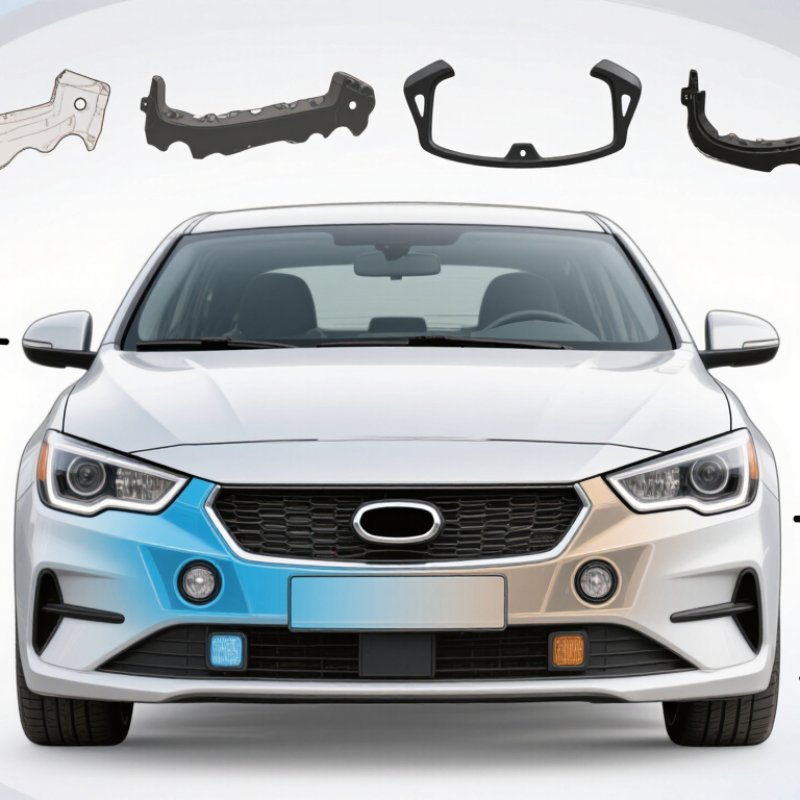
A modern bumper system typically combines a lightweight polymer cover, an energy-absorbing element, and a metal reinforcement beam. Choose a design with replaceable sections for lower-speed impacts, corrosion-resistant reinforcement where appropriate, certified pedestrian-impact performance, and precise sensor mounting provisions. Always verify compatibility with the vehicle’s original crash and safety specifications.
How to Choose the Right Car Front Bumper in 2026
A bumper that looks right in a product photo may still fit poorly. Check the vehicle’s year, body style, trim, and production date against the part listing. Then confirm openings and mounts for parking sensors, cameras, lights, and tow hooks. Small details matter. Compare the old bumper’s clips and brackets before ordering; a close match is not always an exact fit.
Fitment also affects safety systems. NHTSA’s 2022 Traffic Safety Facts recorded 5,930,496 police-reported crashes and 2,383,000 injuries. Those figures do not measure bumper quality, but they show why a damaged or misaligned front end deserves careful inspection. If sensors sit in different positions, ask a qualified repair professional to check installation and recalibration needs. Not just appearance.
Check the rules where the vehicle is registered. In the United States, NHTSA’s Federal Motor Vehicle Safety Standard No. 581 sets bumper requirements for specified passenger cars; it does not confirm that every replacement part fits a particular vehicle. Other locations may have different requirements. Ask the seller for fitment documentation, and verify that the bumper preserves required lights, reflectors, and sensor functions. It is tempting to choose by price alone. I would double-check the paperwork, too.
Use this checklist before ordering. Vehicle equipment and road-use rules vary by model, trim, and jurisdiction; confirm details with the vehicle documentation and the relevant local authority.
| Check | What to Verify | Why It Matters | Practical Action |
|---|---|---|---|
| Vehicle identity | Exact model year, make, model, body style, trim, production date, and market version. | Bumper shapes and attachment points can change between model years, trims, or regional versions, even when vehicles look similar. | Match the part listing to the vehicle identification number (VIN) or confirm the application with a qualified parts supplier. |
| Front-end configuration | Whether the vehicle has a standard, sport, off-road, towing, or other package; also check grille and lower-valance configuration. | Different packages may use different bumper covers, grilles, ducts, brackets, or trim pieces. | Compare the replacement part with the original bumper and the vehicle’s parts documentation before purchase. |
| Fitment and mounting | Mounting tabs, brackets, fastener locations, panel edges, wheel-arch alignment, and clearance to the hood, fenders, and lights. | Incorrect mounting geometry can cause uneven gaps, vibration, poor retention, or interference with adjacent components. | Confirm that the part is specified for the exact application and inspect all mounting points before installation. |
| Sensors and driver-assistance equipment | Parking sensors, radar units, cameras, wiring, sensor holders, and any required openings or mounting provisions. | A bumper can obstruct or alter the position of sensors. Repairs or changes around these systems may require inspection, calibration, or both. | Check the vehicle repair information for sensor procedures and arrange calibration when required by the manufacturer or repair procedure. |
| Lighting and reflectors | Fog lamps, daytime running lamps, reflectors, lamp brackets, and openings must match the vehicle’s equipment and local requirements. | A bumper that does not accommodate required lighting or reflectors may not be suitable for road use. | Confirm that all required lamps and reflectors can be correctly installed, connected, aimed, and kept unobstructed. |
| Material and construction | Material type, construction, intended application, and compatibility with the original brackets and reinforcement components. | A bumper cover is not necessarily the structural reinforcement behind it. Replacing a cover alone does not repair damaged reinforcement or crash components. | Follow the vehicle repair procedure and replace damaged reinforcement, absorbers, brackets, or fasteners as specified. |
| Safety systems and crash repairs | Nearby airbag sensors, wiring, energy absorbers, reinforcement, and any post-collision inspection requirements. | Improper repair or installation can affect safety-system operation. Hidden collision damage may remain even when the bumper cover appears intact. | Have collision damage assessed and repairs performed according to the vehicle-specific service information by a qualified repair professional. |
| Road-use rules | Local rules for bumper height, protrusions, sharp edges, required lighting, reflectors, and vehicle inspection or approval. | Requirements differ by country, state, or region, and modified vehicles may be subject to additional checks. | Check current requirements with the relevant transport or vehicle inspection authority before fitting a non-standard bumper. |
| Finish and accessories | Whether the part is supplied primed, painted, or textured, and whether grilles, bezels, clips, and trim are included. | A replacement may require painting or separate components to achieve the correct appearance and complete installation. | Review the package contents and confirm paint preparation, color matching, and any separately required hardware before scheduling installation. |
| Final installation check | Secure fasteners, even panel gaps, free movement of nearby components, working lamps, and unobstructed sensors. | A visual check can identify basic installation issues, but it does not replace required diagnostic checks or calibration. | After installation, follow the service procedure, test affected equipment, and complete any required scans, inspections, or calibrations. |
A reliable front bumper begins with material quality, not appearance. Inspect the plastic behind the paint. It should feel firm, evenly molded, and free from thin corners or warped mounting tabs. Polypropylene usually tolerates minor impacts better than brittle, low-grade plastics. However, material alone does not guarantee durability. The 2024 CCC Crash Course report describes increasing repair complexity, especially where bumper covers contain sensors, wiring, and calibration requirements.
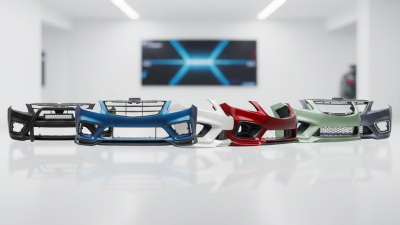
Choosing a front bumper means weighing the price tag against fit, appearance, and likely repair costs. A low-cost replacement may look right in a product photo yet leave uneven gaps around the grille or headlights. Check the material, mounting points, paint requirements, and compatibility with sensors before buying. Small details matter. A poor fit can add labor and delay repairs.
Protection deserves a practical check, not a promise. The Insurance Institute for Highway Safety’s bumper evaluation uses 6-mph front and rear impacts, plus 3-mph corner impacts, to assess low-speed damage. These tests offer a useful comparison, but they do not predict performance in every crash. Ask a repair professional whether the replacement matches the vehicle’s original design and sensor layout. I’ve seen a cheaper part become the expensive choice once repainting and extra labor were added.
For replacement value, compare the part price with installation, paint, and any required sensor checks. Keep the estimate and part details with your service records; clear documentation can help future buyers understand the repair. A bumper that closely matches the original appearance may support resale confidence, though it cannot guarantee a higher price. Sometimes the sensible choice is not the shiniest one.