page-head - 1

How to Choose the Right Audi Rear Bumper?

Choosing the right Audi Rear Bumper requires more than matching the car’s color. Model year, body style, trim level, and parking technology can change the correct design. A bumper for an Audi A4 Sedan may not fit an A4 Avant, even when both vehicles look similar. This guide explains practical checks that support a safer, more reliable decision. Small differences matter.

Start with the vehicle identification number, or VIN. Compare it with the manufacturer’s parts catalog and the seller’s fitment information. Check openings for parking sensors, cameras, reflectors, exhaust outlets, and towing equipment. A reputable supplier should provide clear measurements, material details, return terms, and installation guidance. Vague listings deserve caution. They often hide compatibility problems.

Material choice also affects performance and appearance. ABS plastic usually offers a balanced combination of flexibility, weight, and cost. Original equipment parts may provide more precise alignment, but quality aftermarket options can work well when engineered properly. Paint quality matters too. A glossy finish can mislead. Inspect the surface under direct light for waves, pinholes, or uneven primer. I have learned that an attractive photograph proves very little. Real fitment is decided during installation.

Before ordering, ask whether the bumper arrives primed, painted, or ready for preparation. Confirm sensor calibration requirements after installation. A professional technician can inspect mounting points and ensure the bumper sits evenly beside the tail lamps and wheel arches. Keep all receipts and product specifications for future reference. The best choice combines verified fitment, durable construction, safe installation, and a finish that suits the Audi’s original design.

How to Choose the Right Audi Rear Bumper?

Understanding the Role and Types of Audi Rear Bumpers

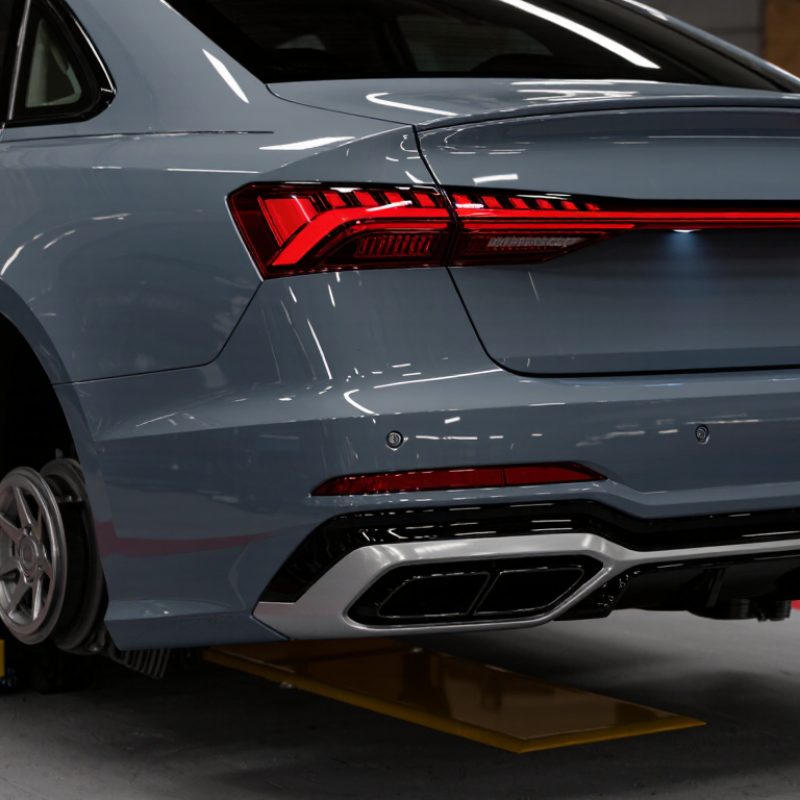
A rear bumper is more than a painted plastic panel. It helps absorb low-speed impact energy and protects the trunk area, exhaust components, and rear body structure. It also supports parking sensors, reflectors, camera mounts, and decorative trim. A poor-fitting bumper can leave uneven gaps around the tail lights. Small gaps often reveal bigger alignment problems.

Several rear bumper types serve different needs. A standard replacement usually follows the original shape and sensor locations. It suits drivers who want factory-like appearance and predictable installation. A sport-style bumper may include a deeper lower section, diffuser lines, or larger exhaust openings. It can look sharper, but clearance and sensor compatibility require careful checking. A tow-compatible design may provide a reinforced mounting area or a removable cover. Do not assume every tow system fits.

Material matters too. Polypropylene is flexible and commonly handles minor impacts well. Some aftermarket covers feel thinner, even when their shape looks correct. Check the mounting tabs, inner brackets, ventilation openings, and paint surface before installation. The sensor holes should sit level, not tilted toward the road. A qualified repair technician can compare the replacement with the vehicle’s original measurements.

I have learned that low price alone is a weak decision tool. One bumper may look excellent online but need extensive trimming in person. That extra work can affect finish, sensor accuracy, and installation time. Recheck the fit before painting. That step is easy to skip.

Identifying Your Audi Model, Year, and Bumper Compatibility

Choosing the right Audi rear bumper starts with accurate vehicle identification. Check the model, body style, and production year before comparing parts. A 2017 A4 sedan may use different mounting points from an A4 Avant. Even similar-looking bumpers can have different exhaust openings, reflector positions, or sensor cutouts.

Use the vehicle identification number to confirm the exact chassis and factory equipment. Record whether your car has parking sensors, a tow bar, a sport package, or standard trim. Measure the bumper’s width and compare its clips, brackets, and lower edge with your original part. A replacement may look correct online but still fail during installation. Year changes can be confusing, especially during model transitions. I have seen listings use broad year ranges that hide these differences. That detail deserves closer checking.

Tips: Photograph the old bumper before removal. Count every sensor opening. Confirm the mounting hardware. Ask for a fitment chart, not only a model name. If the seller cannot verify the chassis code, pause before ordering. Painted parts also need careful inspection, because color differences may appear under daylight. Minor errors are easy to miss at first, yet they can leave uneven gaps near the tailgate or wheel arch. A professional parts specialist can compare the VIN, body style, and bumper design together.

How to Choose the Right Audi Rear Bumper? - Identifying Your Audi Model, Year, and Bumper Compatibility

Vehicle Line Generation / Platform Common Model Years Body Style Rear Bumper Compatibility Key Identification Details Typical Fitment Confidence
A4 B8 / 8K 2008–2012 Saloon Compatible with the same pre-facelift saloon configuration. Not interchangeable with Avant or facelift bumpers without additional parts. Check the pre-facelift tail-light design, exhaust outlet position, parking-sensor openings, and lower diffuser shape. High when body style and pre-facelift version match
A4 B8.5 / 8K facelift 2013–2016 Saloon Designed for the facelift saloon. The bumper profile and sensor locations differ from the earlier B8 version. Look for facelift tail lamps, revised bumper contours, reflector placement, and the exact number of sensor apertures. High for matching facelift saloon
A4 B8 / B8.5 2008–2016 Avant / Estate Avant rear bumpers are not direct replacements for saloon bumpers. Verify the tailgate-side profile and lower trim arrangement. Confirm the vehicle has a powered or manual tailgate, rear parking sensors, and the correct exhaust cut-out design. Medium; body-style matching is essential
A3 8V 2013–2016 Sportback / Hatchback Use a bumper made for the 8V Sportback. Saloon, Cabriolet, and performance versions may use different rear sections. Compare the rear-quarter curvature, reflector position, diffuser shape, and parking-sensor layout. Medium unless exact body style is confirmed
A3 8V facelift 2017–2020 Sportback / Hatchback Facelift bumpers generally require matching facelift trim and may not align correctly with pre-facelift lamps or side guides. Check the revised reflector design, diffuser insert, exhaust openings, and sensor positions. High for matching facelift Sportback
Q5 8R pre-facelift 2009–2012 Compact SUV Compatible with the same pre-facelift Q5 body configuration. Sport-oriented trim and standard trim can use different lower sections. Inspect the bumper corner profile, tow-eye cover position, parking-sensor holes, and lower valance design. High for identical generation and trim
Q5 8R facelift 2013–2017 Compact SUV Facelift rear bumpers have revised styling and should not be assumed compatible with 2009–2012 vehicles. Match the rear reflector shape, sensor spacing, exhaust cut-outs, and lower diffuser mounting points. High when facelift and trim match
Q7 4M 2017–2019 Large SUV Use the pre-facelift 4M bumper with the correct standard, sport, or off-road lower trim. Seven-seat configuration does not alone determine bumper fitment. Verify parking sensors, trailer-tow equipment, exhaust arrangement, reflector position, and lower insert style. Medium; trim and equipment must match
Q7 4M facelift 2020–2024 Large SUV Facelift bumpers use different styling and mounting details from the 2017–2019 version. Check the revised rear lamp treatment, diffuser design, sensor layout, tow-hook cover, and exhaust outlet configuration. High for matching facelift configuration
TT 8S 2015–2018 Coupe / Roadster Coupe and Roadster bumpers can differ around the rear quarter and lower trim. Confirm the exact body style before ordering. Compare rear spoiler equipment, reflector position, diffuser design, exhaust outlet spacing, and parking-sensor openings. Medium; Coupe and Roadster are not automatically interchangeable
TT 8S facelift 2019–2023 Coupe / Roadster Facelift components may require matching rear trim and mounting accessories. Performance variants can have a different diffuser or exhaust arrangement. Confirm facelift styling, body style, spoiler configuration, diffuser insert, and sensor aperture layout. Medium; verify trim-specific details
Fitment reminder: Model year ranges can vary by market and production date. Before purchasing, compare the vehicle identification number, body style, facelift status, parking-sensor openings, tow-hitch provision, exhaust layout, and mounting points with the replacement bumper.

Comparing Bumper Materials, Design Features, and Safety Standards

Choosing the Right Rear Bumper

Material affects durability, weight, repair cost, and sensor performance. Polypropylene blends, often reinforced with EPDM, offer flexible recovery after minor impacts. ABS plastic provides sharper styling but may crack more easily in cold weather. Steel or aluminum reinforcement beams add structural support behind the cover. Energy absorbers, commonly made from expanded polypropylene, help manage impact forces. Check the sensors.

Design details deserve equal attention. Confirm the bumper has accurate mounting points, ventilation paths, reflector openings, and tow-eye access. Parking sensors must sit at the correct height and angle. Small spacing errors can create false alerts. A practical inspection should also compare the absorber, reinforcement beam, and crash-box alignment, not only the painted cover. A perfect fit is not proof of safety.

Safety standards provide a useful baseline. NHTSA Federal Motor Vehicle Safety Standard No. 581-2 uses low-speed tests, including a 2.5-mph pendulum impact and a 5-mph barrier impact. UNECE Regulation No. 42 also specifies requirements for protective devices and low-speed collisions. The Insurance Institute for Highway Safety’s bumper evaluations use 3-mph impacts and have shown that visible damage can underestimate repair needs. These tests are valuable, but they do not represent every real crash. I would not choose the heaviest bumper automatically; added weight may affect handling, fuel use, and sensor calibration. Verify material markings, certification records, and installation instructions before purchase.

Checking Fitment, Sensors, Exhaust Cutouts, and Installation Needs

Choosing the right rear bumper starts with exact fitment. Check the vehicle’s model year, body style, and production changes. Small shape differences can affect mounting points, wheel-arch lines, and trunk gaps. Compare the replacement bumper with the original before removing anything. Measure twice.

Sensor openings also need careful attention. A bumper may include parking sensor holes, blank sections, or no provisions at all. Confirm the sensor diameter and mounting depth. Incorrect angles can cause false warnings or missed obstacles. Check the wiring route for crushed clips and stretched connectors. I have seen a clean-looking installation fail because one sensor sat slightly too deep.

The exhaust cutouts must match the vehicle’s pipe position and outlet size. Leave enough clearance around hot components. Uneven gaps often signal the wrong bumper, not poor workmanship. Installation may require new brackets, clips, guides, or reinforcement pieces. Use the original hardware only when it remains undamaged and secure. Trial-fit the bumper before painting, since correction becomes harder afterward.

Tips: Photograph every connector before disassembly. Test sensor function after fitting. Inspect gaps in daylight. A second check may reveal what the first inspection missed.

Evaluating Quality, Cost, Warranty, and Replacement Options

How to Choose the Right Audi Rear Bumper?

Evaluating Quality, Cost, Warranty, and Replacement Options

A reliable rear bumper should match the vehicle’s exact year, body style, parking sensors, and exhaust layout. Check the part number before ordering. Inspect the plastic for even thickness, clean edges, and smooth mounting points. Poor molding often causes uneven gaps around the trunk and taillights. A bumper can look attractive online but fit badly in person. That happened to me once.

Material quality affects durability. Original-equipment parts usually offer precise fitment, while certified aftermarket parts can reduce costs. Avoid choosing only by the lowest price. Compare the bumper, shipping, paint preparation, installation, and sensor calibration. A cheaper panel may require extra trimming or professional repair. Ask for clear photos of the mounting tabs and inner reinforcement area.

Warranty terms need careful reading. Confirm coverage for cracks, peeling surfaces, incorrect fitment, and damaged delivery. Some sellers cover the part but exclude labor or repainting. Keep invoices, photographs, and delivery records. For replacement options, decide whether a new, recycled, or repaired bumper suits the vehicle’s condition. A recycled part may retain factory alignment, but its color can differ under sunlight. A repaired bumper saves money, although hidden deformation may remain. Measure twice. The best decision depends on documented fitment, realistic total cost, and support after installation.

How to Choose the Right Audi Rear Bumper?

Compare common replacement options by estimated part cost and typical warranty coverage. These are general U.S. planning ranges for passenger vehicles and are not quotations.

OEM-equivalent parts generally provide the most predictable fit and finish but cost more. Certified aftermarket parts can reduce cost while maintaining documented quality standards. Used parts are usually the least expensive, but color matching, hidden damage, and warranty coverage require closer inspection. Always confirm vehicle compatibility, sensor openings, mounting points, return terms, and whether painting or installation is included.