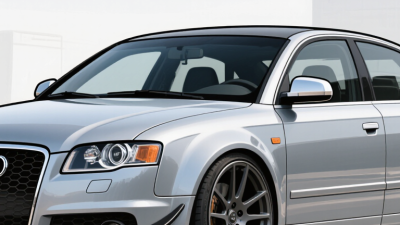
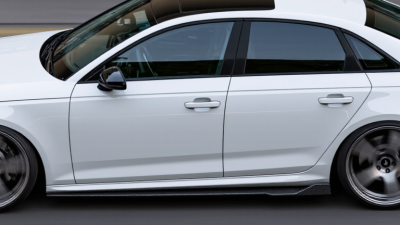
An Audi’s appearance comes from precise proportions, crisp lighting, and restrained details. Thoughtful upgrades should sharpen those qualities, not bury them. In 2026, the strongest Audi Appearance Modification choices will balance visual impact, fitment, durability, and everyday usability. Small changes matter.
The market is broad. SEMA’s 2024 State of the Specialty-Equipment Industry report estimated U.S. specialty-equipment sales at $52.3 billion in 2023. That figure covers many vehicle brands and product categories; it is not Audi-specific demand. Still, it shows how established vehicle personalization has become. For Audi owners, options include paint-protection film on a low front bumper, a carefully matched wheel finish, subtle grille accents, or refreshed trim. Fitment comes first. A wheel’s offset, tire clearance, and load rating matter as much as its color. Exterior lighting and aerodynamic pieces should also suit the specific model and be installed according to manufacturer guidance.
The right choice depends on the car. A dark grille detail may suit an A4, while a restrained lip spoiler can complement an S model without overwhelming its design. Yet photos rarely show road grime, winter wear, or how a finish looks under flat daylight. Details tell. This guide compares popular upgrades by appearance, upkeep, compatibility, and value, using manufacturer specifications and reputable industry research. It also considers trade-offs: a striking modification can be difficult to maintain or simply feel wrong in person. No single setup is best for every Audi.
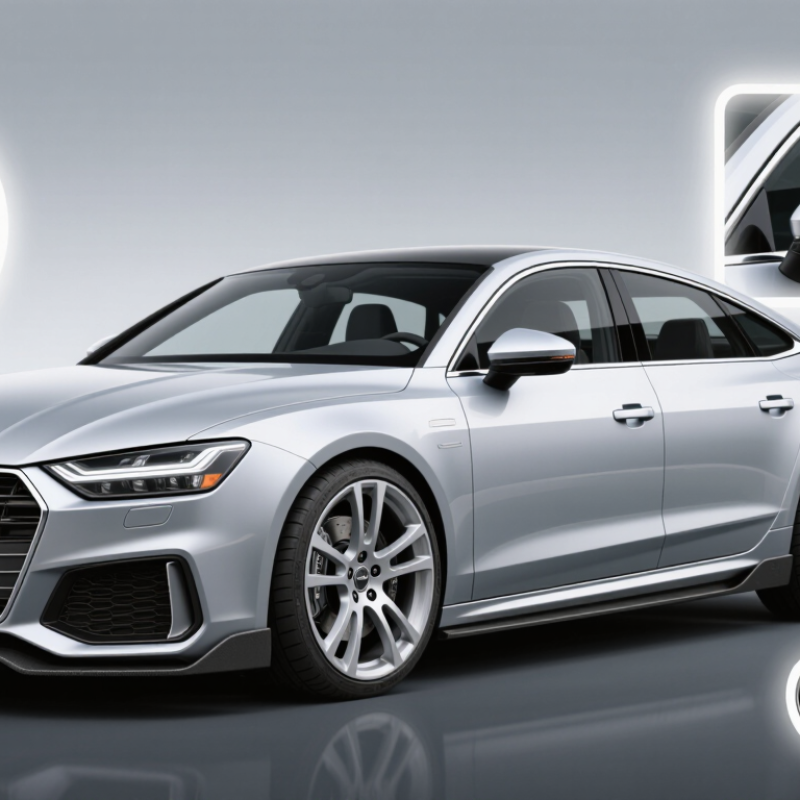
$52.3 billionSEMA valued U.S. specialty-equipment sales at $52.3 billion in 2022. That figure covers a broad market, not appearance upgrades alone, but it shows how strongly drivers invest in personalizing vehicles. For a 2026 luxury sedan, styling choices can start with carefully sized wheels, a restrained front lip, or a color-change wrap. Each changes the car’s presence without requiring a complete visual overhaul. Small changes matter.
A wheel’s finish can sharpen the whole profile, while the wrong size may make the car look awkward or compromise everyday comfort. Fitment is everything. Check clearance and tire specifications with a qualified installer before ordering parts. A subtle window tint or clean interior trim can also refresh the cabin, though local requirements and visibility should guide tint choices. Keep the original parts when possible; tastes change, and resale buyers may prefer a factory look. One honest caveat: a bold wrap can look striking in a showroom and tiring in daily traffic. I would compare samples outdoors, in direct sun and shade, before committing. The market statistic is useful context, not proof that every modification adds value.
For an Audi, appearance upgrades should begin with the exact model year, body style, and factory specification. Check OEM wheel diameter, width, offset, center bore, and tire size before choosing wheels; a small offset change can alter stance and clearance. Verify paint codes against the vehicle’s build records, not just online color names. The same named color may have different variants or finish requirements. A common workshop mistake is ordering trim by model name alone. Check it twice.
Model-specific trim data matters around grilles, mirror caps, badges, and lower body panels, where clips and contours can differ between trims. Measure gaps and photograph existing parts before ordering replacements. Axalta’s 2024 Global Automotive Color Popularity Report lists white at 27%, black and gray at 22% each, and silver at 10%; these figures describe broad market preferences, not the best match for one car. SEMA estimated U.S. specialty-equipment sales at $52.3 billion in 2022, showing how established the customization market is. Still, market popularity cannot confirm fitment. Even factory records can be incomplete, so compare part numbers and physical dimensions before painting or installation.
Tire sidewall height is calculated from the tire width and aspect ratio. These examples show how sidewalls become shorter across different tire-size combinations; they are calculations, not vehicle fitment recommendations. Check your vehicle’s OEM specifications before changing wheels or tires.
Wheel choice starts with measurements, not styling. Check the vehicle’s approved diameter, width, offset, bolt pattern, center bore, and load rating. SAE International’s J2530 standard specifies three wheel durability tests: cornering fatigue, radial fatigue, and impact. These tests assess structural performance under defined conditions; they do not guarantee that a wheel clears every brake package or suspension setup. Confirm the test documentation and exact wheel configuration.
Fitment matters at the fender. A few millimeters of offset can change inner clearance and how far the wheel sits outward. Match the tire’s load index to the vehicle placard, then check clearance with the suspension loaded and steering turned. The Tire and Rim Association Year Book provides tire dimension and load-inflation tables; use the relevant size and pressure data, not appearance alone.
SEMA’s 2023 Market Report estimated U.S. specialty-equipment sales at $52.3 billion in 2022, reflecting strong customization demand. Still, popularity is not proof of compatibility. I would recheck the chosen tire-and-wheel combination before ordering; catalog listings can leave important details unclear.
For an Audi, the right appearance upgrade depends on whether you want a new color, impact resistance, or easier cleaning. Vinyl wraps are typically around 3–4 mil thick, while paint protection film often measures roughly 7–10 mil. Exact construction varies by product. A wrap changes the car’s appearance, but it can be more vulnerable to stone chips. PPF is thicker and designed to absorb minor impacts. Ceramic coatings are much thinner, measured in microns, and add slickness and water repellency—not meaningful chip protection. That distinction matters.
Compare written warranty terms, not just headline durations. Wrap coverage may address fading, peeling, or cracking, while PPF warranties may specify yellowing, lifting, or surface defects. Coating warranties often depend on maintenance and may cover product performance rather than labor or paint damage. Read the exclusions. Check whether coverage applies to edges, repaired panels, and professional installation. A long term can still be limited.
Before choosing, inspect a sample under bright light and ask for the film’s thickness, finish, and care instructions. On curved Audi panels, installation quality affects seams and edge lift as much as the material does. A polished spec sheet cannot predict every result; even careful owners may find gloss shows dust more readily. Compare the actual warranty document with your driving conditions and preferred finish.
| Comparison Point | Color-Change Vinyl Wrap | Paint Protection Film (PPF) | Ceramic Coating |
|---|---|---|---|
| Primary purpose | Changes the vehicle’s color or finish and helps shield the original paint from light surface wear. | Provides a clear or colored physical barrier against many small impacts, road debris, and scratches. | Adds a thin, transparent surface layer that improves water behavior and can make routine cleaning easier. |
| Typical material or film thickness | Approximately 3–4 mil (75–100 μm) for many color-change films; confirm the product’s technical sheet. | Commonly approximately 7–10 mil (175–250 μm), including the film’s protective layers; specifications vary. | Not a film. A cured coating is far thinner than wrap or PPF and is not generally specified in comparable film-thickness terms. |
| Appearance options | Broad choice of colors and finishes, including gloss, satin, matte, and textured effects. | Usually clear for preserving the underlying paint; colored and finish-altering versions are also available. | Typically preserves the existing paint appearance while adding gloss or a more reflective finish. |
| Impact and scratch protection | Helps with light scuffs and surface abrasion; not a dependable barrier against stone chips or deep scratches. | Best of these three options for physical protection from small stone impacts and everyday abrasion. It cannot prevent every chip or impact. | Limited physical protection. It does not replace PPF for stone-chip protection and will not prevent all scratches. |
| Self-healing behavior | Some films can reduce the appearance of minor surface marks with heat; this feature depends on the film construction. | Many modern films have a top layer that can help minor surface marks diminish with heat. Deep cuts may remain. | Not a self-healing film; coating performance does not make the paint immune to scratches. |
| Typical stated warranty range | Often about 3–7 years for the film, depending on product and installation. Coverage may exclude damage, improper care, or certain surfaces. | Often about 5–10 years for the film, depending on product and installation. Coverage commonly has specific exclusions and maintenance requirements. | Often about 1–5 years for a professionally applied coating, depending on the product and service plan. Some terms require inspections or upkeep. |
| What warranty usually means | May cover specified film defects such as cracking or peeling under stated conditions; it is not automatically a guarantee against vehicle damage. | May cover specified film defects such as yellowing, cracking, or delamination under stated conditions; impact damage is not necessarily covered. | May cover defined performance or product defects under stated conditions; it generally does not guarantee a scratch-free finish. |
| Maintenance considerations | Use film-safe washing methods and follow the installer’s guidance. Harsh chemicals and abrasive tools can damage the surface. | Regular gentle washing is recommended. Edges, repairs, and care restrictions depend on the film and installation. | Still requires regular washing. Coatings do not eliminate water spots, contamination, or the need for paint care. |
| Removal and reversibility | Can often be removed, but results depend on film age, paint condition, installation, and removal technique. | Can often be removed by a trained installer; removal may be more complicated on damaged or previously refinished paint. | Not a peel-off layer. Removal generally requires polishing or other paint-preparation work. |
| Best suited to | Owners seeking a reversible color or finish change with modest surface protection. | Owners prioritizing physical paint protection, especially on high-impact areas such as the front bumper, hood, and mirrors. | Owners seeking easier cleaning and a maintained gloss, with limited impact-protection expectations. |
| Practical combination | Can be paired with PPF on selected high-impact areas when compatible products and installation methods are used. | Can be applied to selected painted panels; confirm compatibility before placing it over a wrap or coating. | May be applied over suitable paint or compatible film after preparation; follow the coating and film care instructions. |
| Key buying check | Request the film’s technical data, coverage details, removal guidance, and written warranty terms. | Check thickness, top-layer features, covered panels, repair policy, and written warranty exclusions. | Ask what the warranty covers, whether maintenance visits are required, and how the paint must be prepared. |
| Note: Warranty ranges above are broad market examples, not guarantees or promises for any specific product. Verify the current written warranty and technical data before purchase. Vehicle paint condition, previous repairs, installation quality, climate, and care can affect results. | |||
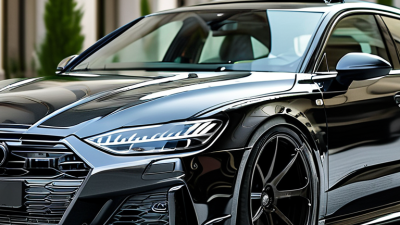
Appearance upgrades can sharpen an Audi’s profile, but lighting and window tint need more than a visual check. Federal Motor Vehicle Safety Standard No. 108 sets requirements for vehicle lamps, reflective devices, and related equipment. A housing that looks clear may still change a beam’s aim or intensity. Keep the original beam pattern, and have a technician check alignment after installation.
The safety stakes are measurable. A 2016 Insurance Institute for Highway Safety analysis found that vehicles with good-rated headlights had 19% lower nighttime single-vehicle crash rates and 23% lower pedestrian crash rates than vehicles with poor-rated headlights. Those figures concern tested headlight performance, not every aftermarket product. Still, they show why a crisp appearance should not come at the cost of visibility. Check applicable FMVSS 108 requirements before changing lamp assemblies, colors, or output.
Tint requires a separate check. Visible light transmission, or VLT, measures how much light passes through the glass and film together. Limits vary by location and window position, so confirm local rules before ordering film. Ask the installer to measure the finished glass with a calibrated VLT meter; factory tint can affect the result. Keep the reading and installation details. A small mismatch can matter. And rules can be easy to misread, especially when front-window limits differ from rear-window limits.