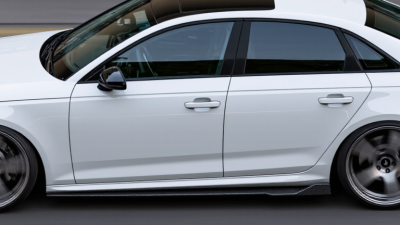
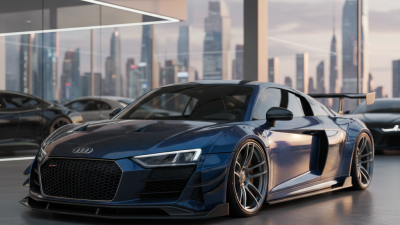
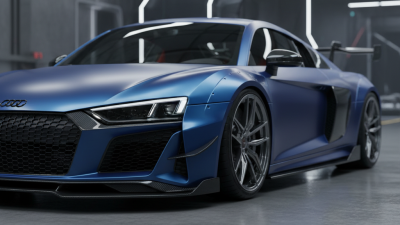
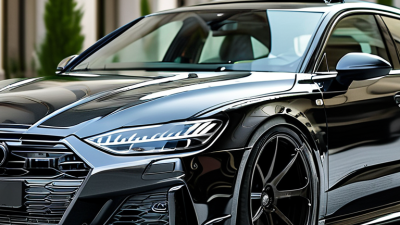
Audi Appearance Modification is the careful alteration of an Audi’s exterior to change its visual character while respecting the vehicle’s original design. It can include a front lip, side skirts, a rear spoiler, a new grille, or a different wheel finish. Small details matter. A gloss-black trim piece can sharpen the car’s profile; an oversized spoiler may distract from it.
Former Audi design chief Walter de Silva once described the Audi A5 as “the most beautiful car I have ever designed.” His remark concerns factory design, not aftermarket parts, but it offers a useful standard: modifications should complement the car’s lines rather than compete with them. That takes judgment. A lower stance may look cohesive in photographs, yet create practical problems on steep driveways or uneven roads.
This guide explains common modification choices, material and fitment considerations, and ways to assess visual balance before spending money. It also distinguishes reversible changes, such as vinyl wraps, from more permanent alterations. Look closely. Compare the proposed parts with the car’s proportions, finish, and intended use. A precise fit and consistent finish often matter more than a long list of upgrades.
There is no single ideal look. Personal taste can also miss practical details, and that deserves a second look. The goal is an informed result: distinctive, well-finished, and suited to the Audi you actually drive.
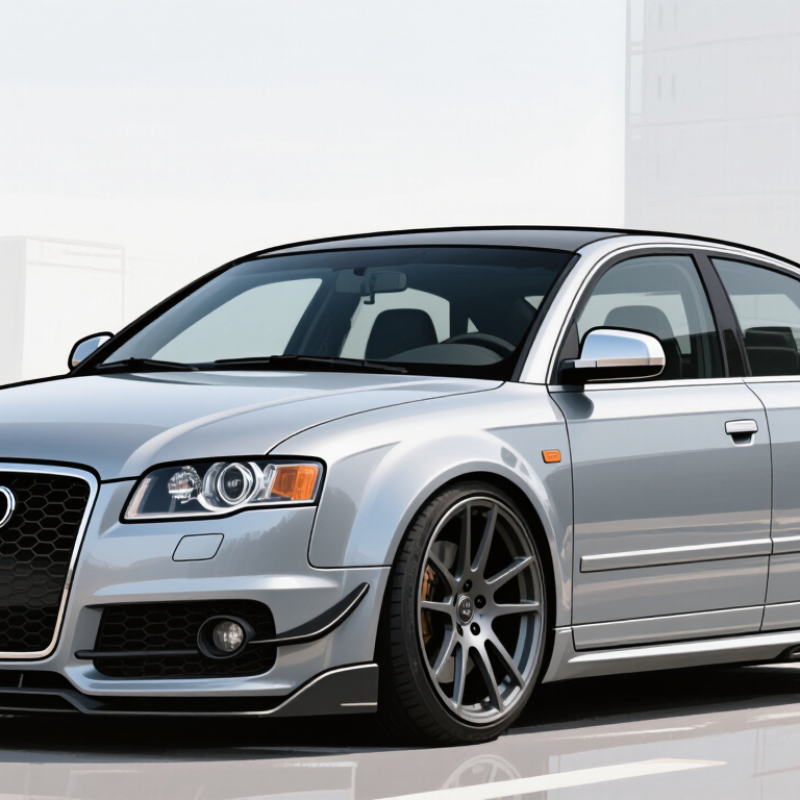
Automotive appearance modification means changing a vehicle’s visible features without making performance the main goal. Its scope can cover exterior and interior details, from paint finishes and body trim to seat materials, steering-wheel covers, and cabin lighting. The aim may be a cleaner look, a more personal style, or a refreshed finish. That is the boundary.
A sound plan starts with the vehicle’s shape, existing materials, and intended use. A matte finish can make curves look softer, while a small lip spoiler adds a sharper edge. Inside, textured upholstery may improve the cabin’s visual warmth, but poorly matched shades can feel distracting. Fit matters. Uneven panel gaps, loose trim, or reflective surfaces near the windshield can undermine both appearance and everyday usability.
Appearance work does not automatically include engine tuning, suspension changes, or other mechanical upgrades. Keeping that distinction clear helps owners set a realistic budget and judge each proposal on its actual purpose. Ask how a finish will age, whether replacement parts will match, and how installation could affect nearby surfaces. In practice, the smallest changes often reveal the most about workmanship. Taste is personal, and a design that photographs well may feel tiring after months of daily driving. That part deserves honest thought.
Exterior styling changes the car’s shape, stance, and visual character. Body kits can add sharper bumpers, side skirts, or a rear spoiler, but fit is more important than dramatic design. Test-fit each part before paint; uneven gaps are difficult to disguise later. Small details matter. A low front lip may also scrape on steep driveways, so consider your usual routes.
Wheels change the whole profile. Check their width and offset against tire clearance, suspension movement, and the car’s intended use. A larger wheel can look striking, yet leave less room for a comfortable tire. Heavier wheels may also affect ride feel. Wider is not always better.
Paint and wraps offer different levels of commitment. A quality wrap can refresh the color while preserving the original finish beneath, though edges and complex curves need careful installation. Lighting changes deserve equal care: choose a clean, balanced look and have beam alignment checked by a qualified technician. Even a polished setup can feel too busy after a week. It helps to review samples in daylight and shade before committing; colors often look different in person.
Interior appearance upgrades change how a cabin feels without altering its basic layout. Trim pieces in brushed metal, matte finishes, or warm wood tones can add contrast around the console and door panels. Keep finishes consistent; too many textures can make a small cabin feel busy. Small details matter. Check panel edges and fasteners before buying parts, since uneven fit can look distracting in daylight.
Upholstery has an even greater effect because it covers the surfaces people touch most. Leather, fabric, and synthetic materials differ in texture, cleaning needs, and resistance to wear. Compare samples in natural light, and consider how they feel after a few minutes of sitting. Seat covers must not interfere with built-in airbags or controls, so confirm vehicle compatibility and follow installation guidance. A mismatched stitch color may seem minor online, but it can stand out sharply in person. I have found that choosing by screen photos alone is easy—and not always wise.
Tips: Measure trim areas before ordering accessories. Use a soft cloth and a cleaner suited to the surface. Test a small, hidden spot first. Keep original parts when practical, in case a new finish scratches or feels wrong after regular use.
Appearance modification changes a vehicle’s visual details without necessarily changing how it performs. Common choices include exterior trim, wheel finishes, window tint, body accents, and refreshed paint or protective film. Each option creates a different effect. Satin finishes look restrained, while gloss surfaces highlight curves and show dust more easily.
Materials matter as much as color. Flexible film can follow curved panels, but poor installation may leave bubbles or lifted edges. Painted parts offer a seamless look, though matching the existing finish takes care. Metal trim feels solid; lightweight composite pieces may be easier to fit. Check panel gaps and finish samples in daylight before choosing. Small differences become obvious up close. A dramatic idea can feel tiring after a few months, so mock-ups are worth the time.
Tips: Clean surfaces thoroughly before applying film or trim. Confirm parts fit the exact model year, and keep parking sensors and cameras unobstructed. Ask an experienced installer about surface preparation and care instructions. Take photos from several angles first. It sounds fussy, but it helps. A modest change can still miss the mark if materials clash or edges look uneven.
Typical estimates in years: vinyl wraps, paint protection film (PPF), ceramic coatings, and custom paint finishes. Actual service life varies with product quality, installation, climate, driving conditions, and maintenance.
Appearance changes can affect more than a vehicle’s look. A wider wheel may rub the inner liner when the steering turns fully, while a lowered suspension can reduce clearance over steep driveways. Check wheel size, offset, tire load rating, and suspension limits against the vehicle’s specifications. A part that bolts on is not automatically compatible. Small details matter.
Lighting and window film deserve extra care. Poorly aimed lamps can dazzle oncoming drivers, and dark film may reduce visibility at night. Ask a qualified installer to check fitment, wiring, and light aim before driving. Keep the original parts and installation records; they can help with maintenance and insurance questions. Still, even careful planning cannot predict every issue.
Rules for tint, exterior lighting, registration plates, and protruding wheels vary by location. Confirm current local requirements before ordering parts, and ask the relevant transport authority or inspection service if wording is unclear. Do not assume a product’s “road ready” label settles the question. A careful final inspection, including tire clearance and working safety systems, is worth the extra time. I might focus too much on appearance at first; safety checks are less visible, but more important.
| Modification area | Typical examples | Safety and compatibility checks | Legal and practical considerations |
|---|---|---|---|
| Paint and exterior finishes | A new paint finish, vinyl wrap, or decorative trim | Keep lights, reflectors, sensors, cameras, and registration plates unobstructed. Use materials and installation methods suitable for exterior temperatures and weather. | Rules on reflective finishes, permitted colors, and reporting a color change vary by jurisdiction. Check local requirements before making a substantial change. |
| Wheels and tires | Different wheel designs, finishes, or tire sizes | Confirm load and speed ratings, wheel fitment, tire clearance through steering and suspension travel, and compatibility with the braking system. Incorrect sizing can affect handling and speedometer accuracy. | Tires must meet local road-use and inspection requirements. Avoid setups that protrude beyond permitted bodywork or create unsafe rubbing. |
| Ride height and suspension appearance | Lowering springs, adjustable suspension, or a revised stance | Changes can reduce ground clearance and alter suspension geometry, alignment, headlight aim, and tire clearance. Use correctly matched components and have alignment checked after installation. | Minimum ride-height, headlight, and vehicle-inspection rules differ by location. Confirm that the modified vehicle remains roadworthy and can pass required inspections. |
| Exterior body components | Spoilers, splitters, side skirts, or replacement body panels | Use secure mounting points and check for sharp edges, reduced approach clearance, interference with doors or sensors, and adequate visibility of required lights and plates. | Local rules may restrict protrusions, sharp edges, or changes that affect pedestrian safety. A component intended for display use may not be approved for public roads. |
| Window tint and glazing | Tint film or other changes to window appearance | Preserve adequate driver visibility, especially at night and in poor weather. Use film compatible with the glazing and avoid covering cameras or sensors located near the glass. | Permitted tint darkness and reflective properties commonly depend on window position and local law. Check the applicable limits before installation. |
| Lighting appearance | Replacement lamps, decorative lighting, or tinted lamp covers | Ensure required lamps remain visible, correctly aimed, and suitable for the vehicle's electrical system. Avoid modifications that cause glare, warning lights, or reduced light output. | Laws commonly specify lamp color, position, brightness, and permitted equipment. Decorative lighting may be restricted while driving on public roads. |
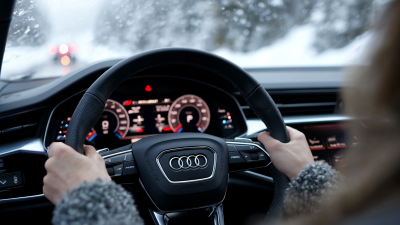
| Interior trim and accessories | Seat covers, trim accents, steering-wheel accessories, or display mounts | Do not obstruct airbags, seat belts, controls, pedals, driver sightlines, or safety-system sensors. Use seat covers designed to work with the vehicle's airbag-equipped seats. | Items that obstruct the driver's view or interfere with required safety equipment may violate road rules or affect inspection results. |
| Fitment and installation | Checking part fit, mounting, wiring, and clearances | Confirm compatibility with the vehicle's model year, body style, existing equipment, and safety systems. Follow installation instructions and use qualified help for work affecting steering, brakes, suspension, or electrical systems. | Keep records of parts and work performed. Ask the relevant inspection authority whether approval or certification is required for safety-related changes. |
| Insurance and disclosure | Any appearance change that alters the vehicle's value, specification, or risk profile | Retain invoices, installation records, and photographs so the work can be documented if requested. | Insurers may require notification of modifications. Policy terms and disclosure duties vary, so confirm them directly with the insurer before driving the modified vehicle. |
Requirements vary by country, state, or region. Check local road-vehicle rules, inspection requirements, and insurance terms before installing or using a modification on public roads.