page-head - 1

2026 Best Audi Front Bumper for Sale?

Shopping for the best Front Bumper Audi in 2026 means checking more than appearance. Fitment, material, sensor openings, and finish all matter. A bumper can look right online and still fail to align with the fenders or grille. Small gaps are noticeable.

S&P Global Mobility reported that the average age of vehicles in operation in the United States reached 12.6 years in 2024. That industry finding points to a growing need to maintain older vehicles, though it does not forecast bumper sales. For Audi owners, the correct choice depends on the exact model, year, trim, and equipment. A bumper cover for an A4 may not suit an A4 allroad, even when the front profile looks similar. Check the vehicle identification number against a supplier’s fitment data, and confirm whether parking sensors, cameras, or headlight washers are supported.

Details matter. Look for clear notes on material, mounting points, included grilles, and paint condition. An unpainted part may need professional preparation and color matching; “ready to install” can mean different things between sellers. Ask for close-up photos of tabs and edges, especially on used parts. I would not rely on a listing title alone. Compare the seller’s return terms and warranty, then verify compatibility with a qualified parts specialist before ordering. That extra check may feel slow. It can prevent an expensive mismatch.
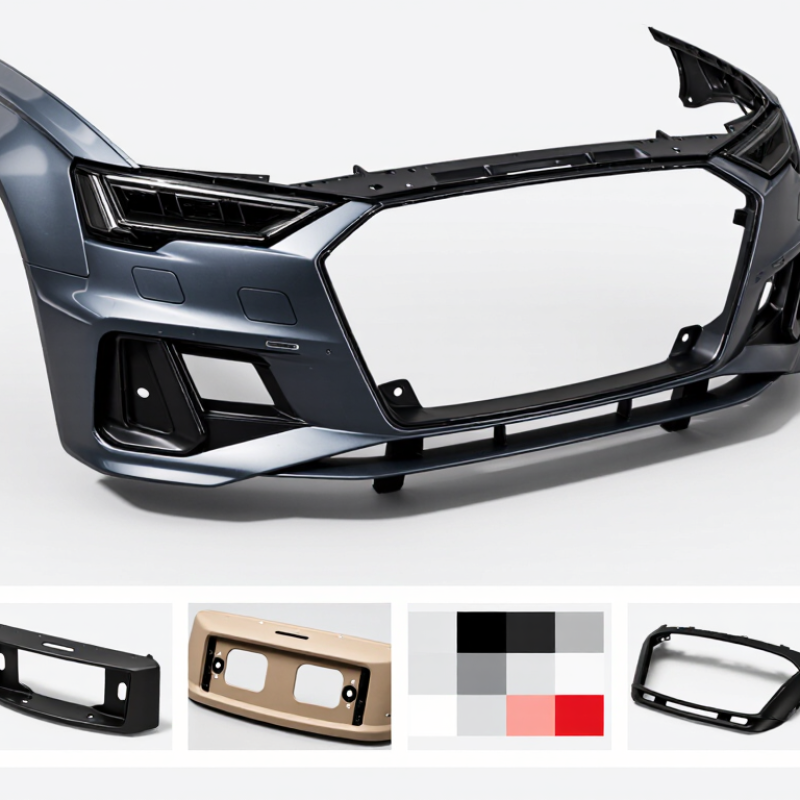
2026 Best Audi Front Bumper for Sale?

What an Audi Front Bumper Does and Which Models It Fits

A front bumper is more than a painted cover. Its outer skin helps manage airflow and shields components such as the grille, lights, and parking sensors from minor contact. Behind it, brackets and energy-absorbing parts help control impact damage. NHTSA’s Federal Motor Vehicle Safety Standard No. 581 specifies bumper tests at 2.5 mph for front and rear impacts and 1.5 mph for corner impacts. Those test speeds are not a promise that every real-world collision will cause only cosmetic damage. Small detail, big difference.

Fitment depends on the exact model year, body style, trim, and equipment. Common model searches include A3, A4, A6, Q3, Q5, and Q7, but parts are not automatically interchangeable within a model family. A bumper with sensor openings may not match a version without them; grille shape, headlamp edges, and mounting tabs also matter. Check the vehicle identification details and compare the original part number before ordering. A visual match alone can be misleading.

Tips

Photograph the old bumper’s inner mounting points and sensor layout. Confirm year and body style with the seller, then ask whether brackets or grilles are included. When something looks slightly off, pause and verify.

How to Compare Audi Bumper Types and Materials

Choosing the right front bumper starts with fitment, not appearance. Match the vehicle’s year, trim, parking sensors, grille openings, and headlamp-washer cutouts. A small mismatch can leave uneven gaps or block a sensor. Check the bumper cover separately from its reinforcement beam: the cover is often thermoplastic, while the beam may use steel or aluminum. Plastic covers resist corrosion and can flex during minor contact, but cracks and paint damage may still require replacement. Metal beams provide structural support; their weight and repair needs vary by design. Labels alone can mislead.

Compare an original-style replacement with a sportier conversion by checking mounting points, material, included brackets, and sensor compatibility. NHTSA’s Federal Motor Vehicle Safety Standard No. 581 includes 2.5-mph barrier-impact test conditions for passenger-car bumpers; it does not guarantee damage-free performance in everyday crashes. For material context, the U.S. Department of Energy reports that reducing a vehicle’s weight by 10% can improve fuel economy by 6–8%. That figure applies to the whole vehicle, not a bumper alone. Ask for the part’s material specification and verify whether installation requires sensor calibration. Small details matter. A painted cover can look right in a listing and still fit poorly.

How to Match a Replacement Bumper to Your Audi

Match the replacement bumper by vehicle year, body style, trim, and production date, not by appearance alone. A VIN-based parts lookup can reveal differences hidden behind nearly identical front ends. Check the grille openings, fog-light cutouts, parking-sensor holes, headlamp-washer fittings, and lower air guides. A bumper with the wrong sensor layout may leave gaps or require extra work. Small details matter.

NHTSA’s 49 CFR Part 581 bumper standard specifies front and rear barrier tests at 2.5 mph, plus corner tests at 1.5 mph. These figures describe specific low-speed damage-resistance tests; they do not show that a replacement cover alone restores the vehicle’s full crash performance. Confirm that the cover, absorber, reinforcement, and mounting brackets suit the vehicle. If the original bumper took an impact, inspect hidden supports before ordering. A neat-looking cover can still fit poorly.

Tips: Compare the part number and mounting tabs with the old bumper. Ask whether sensor openings are pre-cut. Dry-fit before painting. That extra check can save a costly mismatch.

What to Check Before Buying an Audi Front Bumper in 2026

Before buying a front bumper in 2026, match it to the vehicle’s exact model year, body style, and trim. Small differences can change grille openings, fog-light surrounds, and mounting tabs. Check whether your vehicle has parking sensors, a camera, or a washer cover; the replacement must have the correct openings and provisions. A bumper can look right online and still leave a sensor sitting at the wrong angle. That detail matters.

Ask the seller for the part number, included hardware, and clear photos of the inner mounting points. Confirm whether the bumper is new, repaired, or previously installed, and whether it arrives primed or painted. Paint matching can vary under daylight, especially on older panels. Catalog descriptions can be frustratingly vague, so get written confirmation of fitment and return conditions before ordering. I would not rely on a listing photo alone.

Tips: Compare the old bumper’s tabs and sensor locations with the replacement before installation. Check the edge near each wheel arch for cracks or warping. Keep packaging until fit is confirmed. If the bumper does not align evenly, pause; forcing clips can damage them, and a qualified body technician can inspect the fit safely.

Where to Find and Verify Audi Front Bumpers for Sale

Finding an Audi front bumper for sale starts with confirming the exact vehicle details. Match the model year, body style, trim, parking sensors, headlamp washers, and grille openings. A bumper that looks correct in a photo may have different mounting tabs. Check the part number against a trusted parts catalog or ask a qualified repair shop to verify fitment using the vehicle identification number. Small details matter.

Inspect clear photos of the front, back, corners, and mounting points. Look for cracks, bent tabs, deep scratches, and uneven paint. Ask whether the listing is for the bumper cover alone or includes grilles, brackets, and sensor holders. Those pieces can add cost. Request written confirmation of condition, included parts, shipping damage procedures, and return terms before paying. Keep the messages and listing details. If a seller cannot provide close-up images, pause and compare another listing. I would not rely on a broad “fits this model” claim alone; even careful buyers can miss a trim difference. After delivery, test-fit the bumper before painting, since a poor match is harder to correct later.

2026 Best Audi Front Bumper for Sale? Where to Find and Verify One

How to use this chart: The bars count practical checks to make in each area; they are a buyer’s checklist, not market statistics. Confirm the vehicle’s year, model, trim, and bumper part number with the seller, since fitment and features can vary. Ask for clear photos and verify what is included before purchasing.