page-head - 1

Why Choose Front Grill Audi for Global Buyers?

For global Audi owners, the front grille is more than a styling detail. It frames the vehicle and protects important airflow openings. Choosing a Front Grill Audi can refresh an older model without changing its entire appearance. However, visual appeal should never replace technical accuracy. This guide examines the practical reasons international buyers consider this upgrade.

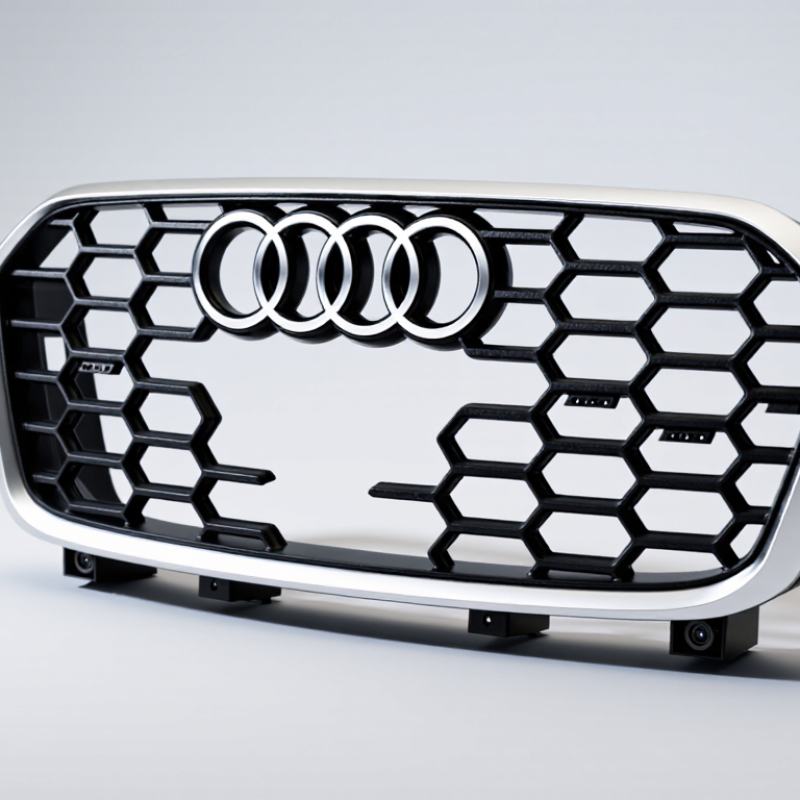
A reliable Front Grill Audi should match the vehicle’s model year, trim, and bumper design. Experienced buyers check mounting points, camera openings, radar clearance, and emblem dimensions. These details matter during installation. Materials also deserve attention. Quality ABS plastic can offer light weight and consistent shaping, while aluminum may provide a different balance of strength and finish. Inspect the grille after delivery. Look for even edges, secure brackets, and a surface without deep scratches. Small gaps can reveal poor compatibility.

Fitment is only part of the decision. Global buyers should review product photographs, measurements, warranty terms, and return conditions. Regional weather also matters. Road salt, intense sunlight, and heavy rain can affect coatings over time. A responsible supplier explains compatibility clearly and avoids exaggerated promises. Local vehicle regulations should be checked before installation, especially when sensors or front cameras are involved. The choice is not always perfect. Some attractive grilles lack dependable documentation. Others require minor adjustments that buyers may not expect. Careful comparison, professional installation, and honest product information make the decision safer and more practical.
Why Choose Front Grill Audi for Global Buyers?

What Is an Audi Front Grille and What Functions Does It Serve?

A front grille is the structured opening at a vehicle’s nose. It usually sits between the headlights and below the hood edge. Its first job is airflow management. Air passes through the grille and reaches the radiator, condenser, and other cooling components. Without enough airflow, engine temperatures can rise during traffic, towing, or hot weather.

The grille also protects delicate parts from stones, insects, and road debris. Its mesh, bars, and shutters can redirect airflow around the vehicle. This may reduce turbulence and support fuel efficiency. The U.S. Department of Energy identifies aerodynamic drag as a major highway energy loss. Euro NCAP’s 2023 safety protocol also evaluates front-end design and pedestrian protection. This means grille shape can affect more than appearance. It can influence cooling, noise, durability, and safety performance. The relationship is not always simple.

Tips: Check grille gaps for leaves, mud, and broken clips. A blocked opening can restrict cooling airflow. Inspect the grille after gravel-road driving. S&P Global Mobility reported that the average U.S. vehicle age reached about 12.6 years in 2024. Durable grille materials therefore matter to global buyers. However, a larger grille is not automatically better. It may add weight, create drag, or expose cooling parts. Buyers should compare material quality, shutter design, repair access, and regional service support. I once saw a clean-looking grille hide a cracked mounting bracket. Appearance can mislead.

How Audi Front Grilles Differ in Design, Materials, and Fit

Choosing a front grille for international vehicles requires more than visual matching. Design affects airflow, sensor clearance, and pedestrian protection. Open mesh patterns can improve air movement, while dense inserts offer stronger stone protection. However, styling alone cannot confirm compatibility. The U.S. Department of Energy’s Vehicle Technologies Office reports that a 10% vehicle-weight reduction may improve fuel economy by approximately 6–8%. This makes lightweight polymers and aluminum attractive, although thin materials can feel less durable.

Materials also change installation behavior. Reinforced polymer grilles resist corrosion and usually reduce shipping weight. Aluminum offers stiffness but may require better surface protection. In workshop checks, small differences in clip depth often create rattles or uneven panel gaps. Sometimes, the grille looks correct but fails during installation. That is frustrating.

Fit should be evaluated through mounting points, sensor openings, camera position, and left- or right-hand-drive variations. SAE J1100 provides standardized vehicle dimension references, but it does not guarantee aftermarket part interchangeability. Euro NCAP’s 2023 testing protocol also considers pedestrian protection around the vehicle front, making sharp edges and rigid structures worth reviewing. Buyers should compare the original part number, measured width, clip locations, and sensor layout before ordering. A product photo is only evidence, not proof.

Why Global Buyers Choose Audi Front Grilles for Vehicle Upgrades

Global buyers choose front grilles for practical vehicle upgrades and sharper road presence. A well-designed grille can refresh an older front end without changing the vehicle’s entire appearance. From a workshop perspective, the difference comes from fitment, material quality, and airflow design. It frames the headlights and bumper with surprising precision. Small detail, strong effect.

Material choice matters during daily driving. Aluminum feels solid and resists many common impacts. ABS plastic stays lightweight and can offer accurate molding. Before ordering, buyers should check the exact model year and bumper version. Measurements should include mounting points, grille width, and sensor openings. This step is often skipped. I have seen attractive grilles fail because one clip position was slightly different. Good photographs help, but they cannot replace verified dimensions.

Installation quality affects both appearance and reliability. Use the correct clips, screws, and protective padding. A loose grille may rattle on rough roads or leave uneven gaps near the bumper. Buyers should also review local road regulations before replacing exterior parts. Some areas restrict sharp projections, blocked airflow, or uncovered safety sensors. Fitment details deserve clear supplier communication, especially for international orders. The honest part is that some installations need minor adjustment. That is not always a product defect, but it should be explained before purchase.

Why Global Buyers Choose Front Grille Upgrades

Vehicle production in major markets reflects the broad global demand for compatible exterior upgrades, including front grilles.

A front grille upgrade can refresh a vehicle’s appearance, support model-specific styling, and provide a practical replacement for worn or damaged components. The wide production base across major automotive markets also creates demand for durable, accurately fitted grille options. Data shown in millions of vehicles; source: International Organization of Motor Vehicle Manufacturers, 2023 production statistics.

What International Buyers Should Check Before Purchasing

Choosing the right front grille for an imported vehicle requires more than attractive photos. International buyers should confirm the exact model year, body style, and mounting design before ordering. Small differences in clips or camera openings can prevent a proper fit.

Ask for clear images of the front, rear, mounting points, and surface finish. Check whether the grille uses durable materials, accurate dimensions, and pre-installed hardware. If the vehicle has parking sensors, a camera, or adaptive systems, confirm compatibility in writing. A reliable seller should provide technical drawings, product measurements, and a realistic installation guide. Do not rely only on “universal fit.” That phrase often hides important limitations.

Tips: Compare the product dimensions with your original grille. Request shipping weight and package measurements. Check taxes, delivery duties, return conditions, and damage procedures in your country. Read recent buyer feedback carefully, especially comments about fitment and packaging. Keep every message and invoice.

Inspect the parcel before signing for delivery. Photograph crushed corners, missing clips, or scratched surfaces immediately. Even careful buyers miss tiny alignment issues. I would also allow time for professional installation, although some experienced owners can complete it themselves. A cheaper grille may become expensive after repainting, extra hardware, or repeated shipping. Availability can change, so confirm stock before making payment.

How to Source, Install, and Maintain an Audi Front Grille

Global buyers should source a front grille through verified automotive suppliers with clear fitment data. Ask for the production year, body style, mounting points, and compatible parking sensors. Do not rely on appearance alone. Two grilles may look identical but use different clips or camera openings. Request close-up photos, material details, and a measured product drawing. I once trusted a catalog image too quickly, and the lower tabs did not align. That mistake was avoidable.

Before ordering, confirm shipping protection and return conditions in writing. A rigid carton, foam corners, and a moisture barrier can prevent cracked edges during long transport. Check the grille immediately after delivery. Photograph every side before removing the original part. During installation, use trim tools and support the bumper near each fastener. Replace damaged clips instead of forcing them. Tighten screws evenly. Excess pressure can distort the grille frame.

Fitment should be tested before final tightening. Check the hood gap, emblem area, sensor clearance, and airflow openings. If a sensor sits too deep, driver-assistance features may respond incorrectly. A qualified technician should verify alignment when cameras or radar are involved. Maintenance is simple but easy to neglect. Wash road salt and insects with mild soap, then dry the mesh with a soft towel. Avoid harsh solvents and abrasive brushes. Inspect loose clips after rough roads. The finish may look durable, but it still needs careful handling.

Why Choose Front Grill Audi for Global Buyers? - How to Source, Install, and Maintain an Audi Front Grille

Data Dimension Recommended Information Practical Buying or Maintenance Value
Vehicle Identification Confirm the exact model, model year, body style, engine version, and market specification before ordering. Front grilles can vary by vehicle generation, bumper design, parking sensors, cameras, and regional equipment.
Part Number Verification Compare the original grille part number and supersession details with the replacement listing. Part-number matching is more reliable than using appearance alone and helps reduce incorrect orders.
Material Options Common grille materials include injection-molded ABS or polypropylene, with finishes such as textured plastic, painted surfaces, or metallic-look trim. Material and finish affect impact resistance, weight, appearance, and long-term exposure to weather.
Fitment Checks Verify mounting tabs, screw locations, emblem area, camera opening, sensor openings, and bumper compatibility. Accurate dimensional and feature checks help prevent gaps, vibration, sensor obstruction, and installation delays.
Sensor and Camera Compatibility Check whether the vehicle uses front parking sensors, a driver-assistance camera, radar-related components, or a surround-view camera. Openings and brackets must match the vehicle equipment; electronic systems may require calibration after related work.
Shipping Protection Use packaging with corner protection, internal cushioning, a moisture barrier, and a rigid outer carton. Grille edges, clips, and painted surfaces are vulnerable to impact and scratching during international transportation.
Import Documentation Prepare an accurate commercial invoice, packing list, product description, quantity, country of origin, and customs classification as required. Complete documentation can reduce customs delays and make landed-cost calculations more predictable.
Installation Preparation Prepare trim tools, screwdrivers, replacement clips if needed, protective tape, gloves, and a clean work area. Proper tools reduce damage to painted panels, plastic fasteners, and surrounding bumper components.
Typical Installation Sequence Protect adjacent paintwork, remove the required upper or lower trim, disconnect compatible sensors if applicable, release fasteners, transfer components, and test the fit before final tightening. A controlled sequence helps maintain panel alignment and prevents unnecessary stress on clips and mounting points.
Fastener Handling Reuse only undamaged fasteners and clips; install replacement hardware where clips are broken, loose, or missing. Secure fasteners help prevent rattling, uneven gaps, and grille movement during driving.
Alignment Inspection Check the grille-to-bumper gaps, center position, surface level, trim alignment, and clearance around sensors and cameras. Visual and functional inspection confirms that the replacement part is seated correctly before road use.
Cleaning Method Rinse away loose dirt first, use mild automotive soap and a soft microfiber cloth, then dry with a clean towel. Gentle cleaning reduces the risk of scratching plastic surfaces and wearing away exterior finishes.
Products to Avoid Avoid abrasive powders, stiff brushes, strong solvents, and high-pressure spraying directly at close range. Harsh cleaning methods may dull finishes, damage coatings, loosen trim, or force water behind sensors.
Seasonal Inspection Inspect after winter road salt, heavy rain, gravel-road travel, or contact with road debris. Early detection of cracks, loose clips, corrosion on nearby hardware, or blocked openings helps prevent further damage.
Surface Protection For painted or gloss-finished areas, use a compatible automotive protectant according to the product instructions. Suitable protection can help reduce contamination buildup and preserve the appearance of exterior surfaces.
Warning Signs Look for abnormal vibration, wind noise, loose trim, uneven gaps, warning messages, or sensor and camera faults. These symptoms may indicate incorrect fitment, damaged hardware, blocked sensors, or a need for professional inspection.
Professional Assistance Use a qualified technician when bumper removal, advanced driver-assistance components, wiring, or system calibration is involved. Professional support helps protect vehicle safety systems and ensures correct post-installation testing.
Total Cost Evaluation Compare the grille price with shipping, customs charges, installation labor, replacement clips, painting, and possible calibration costs. The lowest purchase price may not represent the lowest total cost after international delivery and installation requirements.

Important: Always confirm vehicle-specific fitment, installation requirements, and sensor or camera procedures using the vehicle documentation or a qualified automotive technician.