Top Trends in China Car Bodykits for Global Buyers?
The automotive aftermarket is experiencing significant shifts, particularly in China, where the demand for Car Bodykits is soaring. According to a recent report by IBISWorld, the market for automotive aftermarket parts, including Car Bodykits, has grown by over 12% annually since 2018. This growth reflects a burgeoning interest from global buyers, eager to enhance their vehicle aesthetics and performance.
Industry expert Jason Liu, a noted figure in automotive customization, once stated, "The rise of Car Bodykits in China represents an evolution in consumer preferences." His insight highlights how consumers are increasingly looking for personalized vehicle enhancements. Modern designs and materials are becoming essential. They not only improve a car's visual appeal but also provide functional advantages.
However, there are challenges. Quality control remains a critical issue. Many international buyers are concerned about the reliability of products sourced from the Chinese market. Understanding local regulations and ensuring compliance is vital. Buyers must navigate this complex landscape to secure reliable Car Bodykits that meet their expectations. Addressing these intricacies is necessary for future success in the global market.
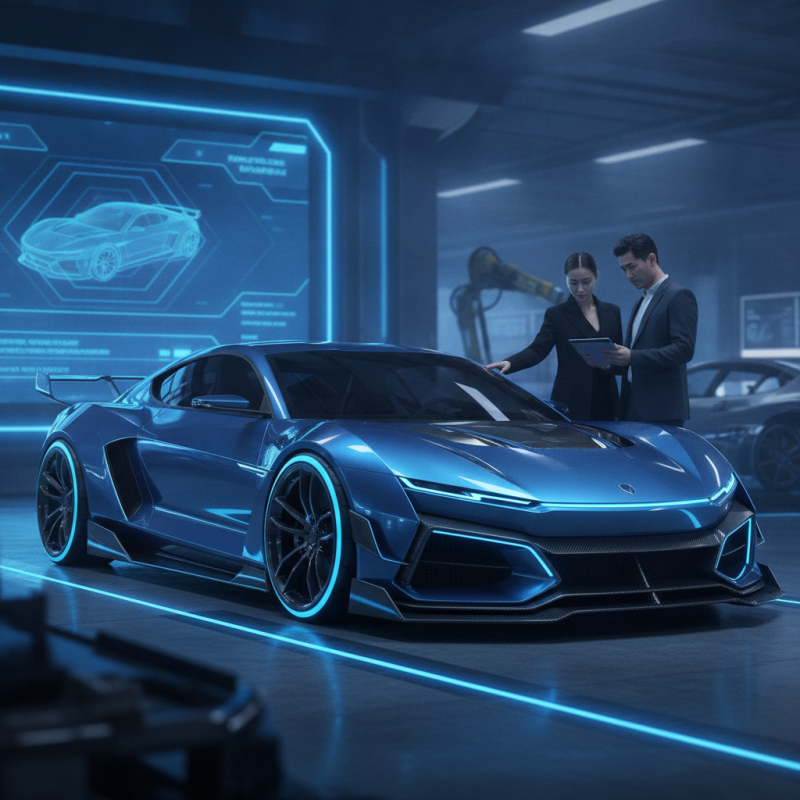
Emerging Designs: The Latest Car Bodykit Styles from China
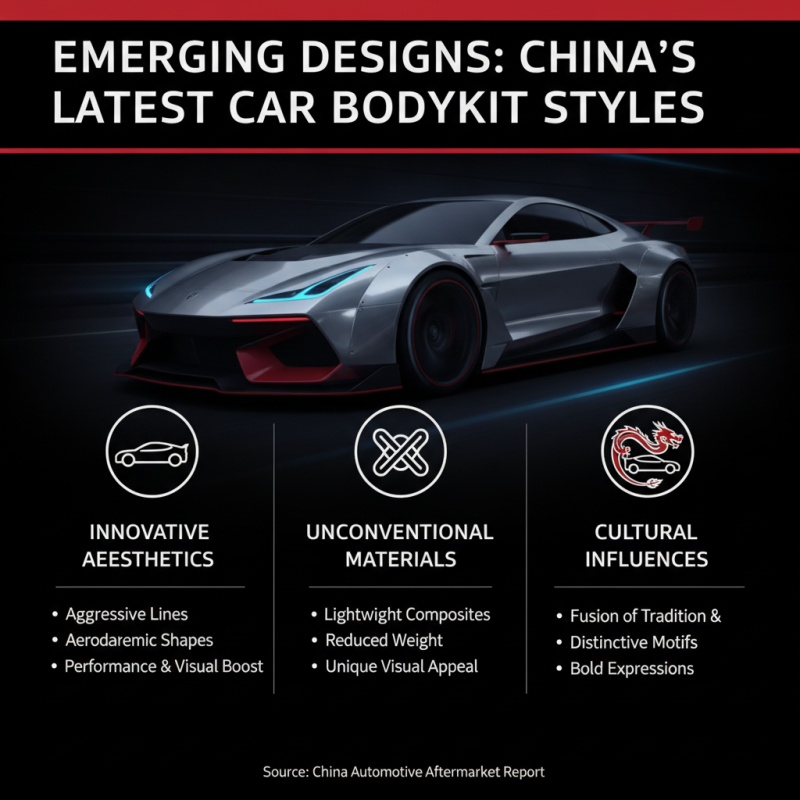
China's automotive aftermarket has seen a remarkable evolution in car bodykit designs. These emerging styles reflect a blend of innovation and cultural influences. Many new bodykits incorporate aggressive lines and aerodynamic shapes, aiming to enhance performance and aesthetics. Unconventional materials, such as lightweight composites, are gaining traction. These materials not only lower weight but also provide unique visual appeal.
Some designs focus on customization. Buyers can choose from bold colors and unique patterns. Personalization options cater to individual tastes and preferences. However, the market is flooded with options, making it overwhelming for buyers. It’s crucial to consider the purpose behind the modification. Function should never be sacrificed for looks alone.
Trends also highlight eco-friendliness. Some manufacturers experiment with sustainable materials in their designs. While the concept is admirable, the execution can vary significantly. Quality control remains a challenge faced by many producers. As buyers explore these new styles, they should critically evaluate quality. Scrutinizing reviews and seeking expert opinions can help navigate this vibrant but complex landscape.
Material Innovations: Advanced Composites Used in Chinese Bodykits
The use of advanced composites in car bodykits has transformed the automotive accessory industry in China. These materials are not just lightweight; they also offer superior durability and resistance to harsh conditions. Innovations in composites often blend carbon fiber with resin, strengthening the structure while keeping weight down. This is crucial for enhancing performance without compromising safety.
When choosing bodykits, consider the long-term benefits of these materials. Many buyers overlook the importance of impact resistance. A bodykit made from advanced composites can better withstand dings and dents, resulting in fewer repairs.
Pay attention to aesthetics as well. The finish on some composites can enhance the overall look of your vehicle. However, not all composite finishes are created equal. Some may require more maintenance than traditional materials. Ensure you are informed about what to expect. Research shows that many users fail to evaluate this aspect, leading to dissatisfaction later.
Customization Options: Tailoring Chinese Bodykits for Global Preferences
The customization landscape for car bodykits in China is rapidly evolving. Global buyers are increasingly seeking tailored solutions that reflect local tastes. According to a recent market analysis, over 40% of consumers prioritize aesthetic enhancements. This trend signifies a shift toward personalization over generic designs. Buyers want bodykits that resonate with their identity.
One notable customization option is the ability to select colors and finishes. Matte, gloss, and metallic finishes are popular choices. These options allow buyers to create a unique vehicle appearance. However, industry reports highlight a gap in sustainable materials. Only 15% of manufacturers currently use eco-friendly components in their products. This raises questions about long-term environmental impact.
Additionally, functionality is essential for many customers. Custom bodykits should enhance aerodynamics and performance. Yet, some manufacturers focus too heavily on style, neglecting performance enhancements. This oversight can lead to dissatisfaction among buyers seeking both form and function. The market must find a balance between aesthetics and practicality to meet diverse customer needs.
Top Trends in China Car Bodykits for Global Buyers
Market Dynamics: The Influence of Global Trends on Chinese Bodykit Production
The global automotive industry is witnessing a shift in consumer preferences towards
enhanced personalization and
performance. In China, bodykit production is
responding to these emerging trends. In 2022, the global automotive bodykit market
was valued at approximately $2 billion, with projections indicating a
growth rate of 7.2% through 2030. This market
dynamic pushes Chinese manufacturers to innovate and adapt swiftly.
Chinese bodykit producers increasingly incorporate advanced materials
and aerodynamics. Lightweight composites are becoming the standard, significantly enhancing
vehicle performance. Recent data shows that lightweight bodykits can reduce overall vehicle
weight by up to 15%. This shift not only meets
global standards but also aligns with sustainability trends.
However, some manufacturers struggle to maintain quality while scaling production.
Consumer feedback is crucial in this rapidly evolving market. While many embrace the trend
of customization, others remain skeptical about durability. A survey revealed that 30% of consumers prioritize quality over aesthetics. This
highlights the need for manufacturers to balance innovation
with reliability. If producers neglect these concerns,
they risk losing consumer trust in the long run.
Buying Considerations: What Global Buyers Should Know About Chinese Bodykits
When considering car bodykits from China, global buyers should focus on quality and fitment. Many Chinese manufacturers offer unique designs at competitive prices. However, not all products meet international standards. Research is key. Look for reliable suppliers with verified reviews. Quality control is essential in the production process.
It’s crucial to check the material used in bodykits. Some may use lower quality plastics, which can affect durability. Ask for samples when possible. This allows you to evaluate the finish and sturdiness. Additionally, understand installation requirements. Changes in fit can lead to misalignments or increased costs for modification.
Buyers should also inquire about warranty policies. A solid warranty can indicate manufacturer confidence. Shipping costs and lead times can vary significantly. Be prepared for potential delays. Stay cautious and scrutinize all details before making a decision. The right bodykit can enhance your vehicle’s appeal, but it requires diligence in selection.
Top Trends in China Car Bodykits for Global Buyers
| Trend |
Description |
Material |
Price Range (USD) |
| Aerodynamic Enhancements |
Bodykits designed to improve airflow and stability at high speeds. |
ABS Plastic |
200 - 600 |
| Custom Designs |
Unique designs tailored to individual customer preferences. |
FRP (Fiber Reinforced Plastic) |
300 - 800 |
| Lightweight Kits |
Bodykits made with lightweight materials to decrease vehicle weight. |
Carbon Fiber |
400 - 1200 |
| Eco-friendly Options |
Bodykits produced using environmentally sustainable practices. |
Recycled Materials |
150 - 500 |
| Modular Kits |
Flexible kits allowing customization through various attachable parts. |
Polyurethane |
250 - 700 |