Top 2026 Car Bumper Trends for Global Buyers?
As the automotive industry evolves, the significance of the car bumper cannot be overstated. In 2022, the global car bumper market was valued at approximately $12 billion and is anticipated to grow significantly by 2026, driven by innovation and technological advancements. Consumers are increasingly seeking bumpers that provide durability, aesthetic appeal, and safety features. Various materials, including thermoplastics and metals, are becoming popular due to their lightweight properties and resilience.
Global buyers now prefer eco-friendly options. A report from MarketsandMarkets highlights a growing trend towards sustainable automotive components. This could reshape the future of car bumpers. As concerns about sustainability rise, manufacturers must adapt. However, not all companies are keeping pace with these changes. Some still rely on outdated materials, risking their market position.
Considering these dynamics, understanding the forthcoming car bumper trends is crucial for stakeholders. Adaptation to customer preferences and environmental factors will determine future success. Investors and manufacturers should focus on innovation and sustainability to meet rising global demands. As we look towards 2026, the evolution of car bumpers offers both challenges and opportunities for the entire automotive sector.

Emerging Materials for Car Bumper Manufacturing in 2026
In 2026, the automotive industry is projected to evolve significantly, particularly in the realm of bumper materials. Emerging trends emphasize lightweight composites and bio-based plastics, which promise better performance while reducing environmental impact. According to a recent market analysis, the use of advanced composites could increase by 30%, optimizing fuel efficiency and enhancing crash protection.
Innovations in materials such as thermoplastic polyolefins (TPO) and recycled materials are gaining traction. These materials not only reduce weight but also lower manufacturing costs. As industries seek sustainable solutions, experts suggest that up to 25% of bumpers may incorporate recycled components by 2026. This shift reflects a growing acknowledgment of resource conservation within automotive manufacturing.
There are challenges, though. Regulatory compliance and market acceptance remain obstacles. Manufacturers must also ensure that new materials meet safety standards. Additionally, the performance of some bio-based materials needs more refinement. Industry experts emphasize continuous testing and iteration before widespread adoption can occur. The future of car bumper manufacturing will balance innovation with practicality, addressing both consumer demands and environmental responsibilities.
Design Innovations Influencing Car Bumper Aesthetics and Functionality
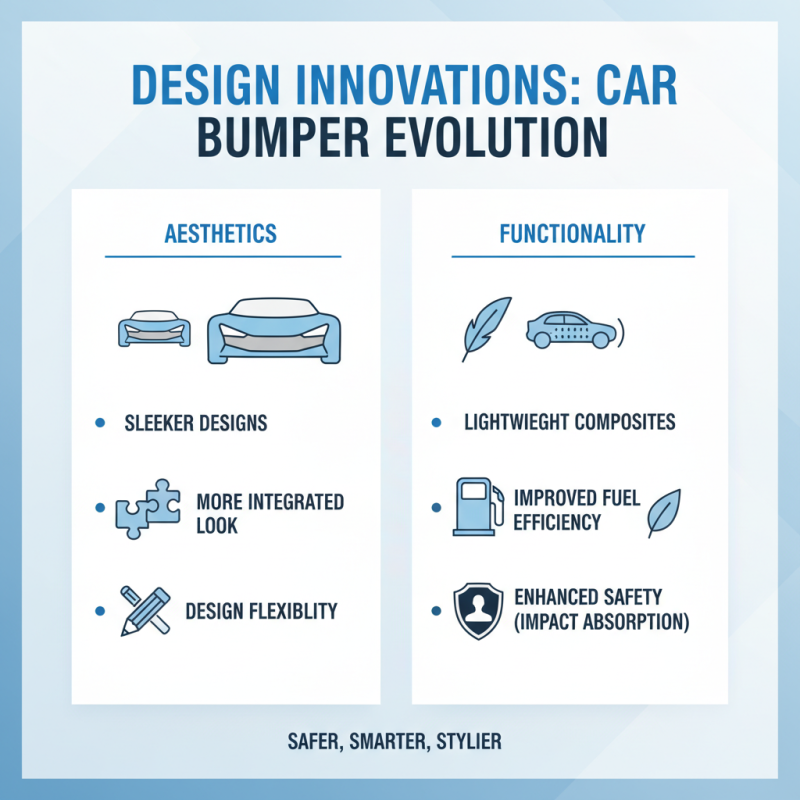
Car bumpers are evolving rapidly, focusing on aesthetics and functionality. Designers are pushing boundaries, making bumpers sleeker and more integrated. New materials like lightweight composites enhance durability while improving fuel efficiency. These materials can absorb impact better, offering increased safety.
The shift toward electric vehicles influences bumper design, too. Many manufacturers are incorporating aerodynamic shapes that promote energy efficiency. Some bumpers now feature integrated LED lights for added visibility. However, the balance between style and substance is challenging. Consumers often desire unique looks, but functionality must not be compromised.
Sustainability trends shape bumper innovations. Recycled materials are gaining traction, which reflects a growing environmental awareness. While these changes are exciting, there are concerns about performance and longevity. As these trends unfold, the industry must address these imperfections to ensure that safety and style coexist harmoniously.
Sustainability Trends in Car Bumper Production and Materials
The automotive industry is embracing sustainability in car bumper production. With an increasing focus on reducing environmental impact, manufacturers are exploring eco-friendly materials. This shift includes the use of recycled plastics and bio-based composites, which are less harmful to the environment. These materials not only reduce waste but also lower carbon footprints during production.
For buyers, it is essential to consider the materials used in car bumpers. Check if the bumper consists of recycled content. This can significantly contribute to sustainability efforts. Look for certifications that indicate responsible manufacturing processes. These choices can lead to more eco-friendly vehicles.
Car bumper design is evolving, too. Innovative designs are incorporating lightweight materials, enhancing fuel efficiency. Challenges remain in balancing durability with sustainability. It's important to reflect on how effective these changes truly are. Buyers should also pay attention to any trade-offs, like potential increases in repair costs. Understanding these factors helps consumers make informed decisions.
Technological Advancements Enhancing Bumper Safety Features
In recent years, the automotive sector has made significant strides in enhancing bumper safety features. Modern bumpers are no longer mere aesthetic elements. They play a crucial role in protecting passengers and pedestrians. Advanced materials and designs provide better shock absorption during collisions. Some bumpers now incorporate energy-absorbing foams and flexible plastics, which can effectively reduce injury risks.
Moreover, technology is evolving rapidly. Sensors integrated into bumpers detect potential dangers. They alert drivers to obstacles during low-speed maneuvers. This proactive approach can minimize accidents in crowded environments. However, as these technologies improve, some concerns arise. Are drivers becoming overly reliant on these systems? Dependence on technology could lead to complacency in driving habits.
The future of bumper safety features also raises questions about standardization. As innovation outpaces regulation, finding a balance becomes essential. Will all manufacturers adopt these advancements? Consistency is key to ensuring safety across different vehicle models. Enhancements should not only be about tech but also practical for everyday users. This calls for collective responsibility in prioritizing safety in automotive design.
Consumer Preferences Shaping Global Car Bumper Trends in 2026
Consumer preferences play a crucial role in shaping the trends of car bumpers in 2026. A growing demand for eco-friendly materials has pushed manufacturers to explore sustainable options, like recycled plastics and bio-based composites. These materials not only reduce environmental impact but also appeal to buyers who prioritize sustainability.
Safety features remain a top priority for buyers. Advanced bumpers equipped with sensors improve pedestrian safety. Integrating technology into bumper design enhances collision detection and helps prevent accidents. However, reliance on technology raises concerns about compatibility across models. It may be challenging to standardize these high-tech features, leading to buyer frustration.
Design aesthetics are evolving as well. Many consumers favor sleek, modern looks. Personalized bumpers could be a growing trend, allowing car owners to express their individuality. Yet, customization can complicate manufacturing processes. Balancing personalization with production efficiency presents a challenge that designers need to address. Addressing these dynamics will be key for success in this competitive market.