Top Car Bodikit Trends in 2026 for Global Buyers?
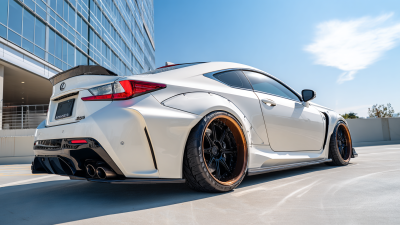
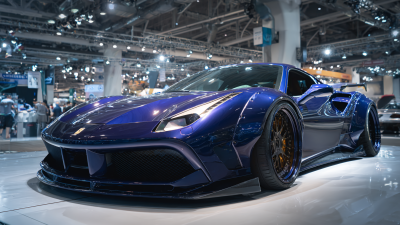
As we look ahead to 2026, the global automotive industry is gearing up for a transformative era in car customization. The rising demand for personalized vehicles drives the popularity of car bodikits, which enhance both aesthetics and performance. According to recent market research, the car customization market, including bodikits, is projected to reach $45 billion by 2026, reflecting a 7% annual growth rate.
Car bodikits have become a staple among automotive enthusiasts who seek unique expressions of identity. Recent trends reveal a significant interest in eco-friendly materials and innovative designs. Notably, 30% of consumers now prioritize sustainability in their customization choices. This shift influences manufacturers to focus on materials that minimize environmental impact while maintaining quality. Despite this progress, challenges remain, particularly in ensuring durability and compatibility with a wide range of vehicle models.
While the innovation in car bodikits is promising, issues like consumer misinformation and unrealistic expectations persist. Buyers must navigate a complex market filled with both genuine and inferior products. Therefore, understanding the emerging trends in car bodikits is crucial for global buyers looking to enhance their vehicles effectively and responsibly.
Overview of Car Bodikit Trends for 2026
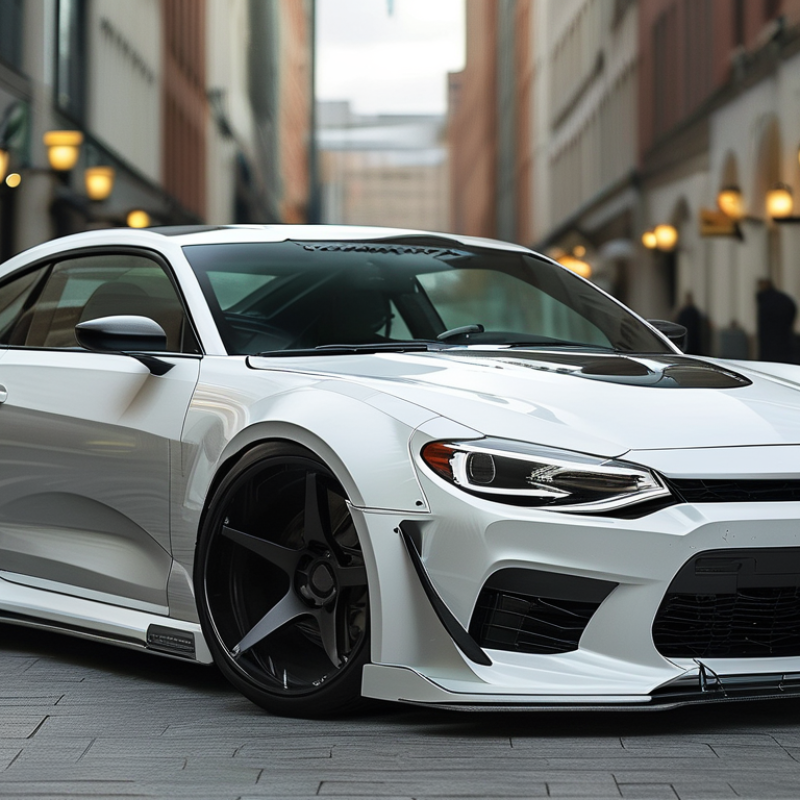
As the automotive industry evolves, car bodikit trends for 2026 reflect both aesthetic innovation and functionality. Buyers now seek designs that improve aerodynamics and offer a unique personal touch. Popular materials will include lightweight composites, which enhance speed while preserving durability. The use of eco-friendly materials is also on the rise, appealing to environmentally conscious consumers.
Customization remains paramount, with modular kits allowing for easy modifications. Users can adapt their vehicles to reflect personal style, from sporty looks to elegant finishes. There’s a growing interest in technology integration, such as LED lighting features and dynamic body shapes. These elements not only enhance visual appeal but also improve safety through better visibility.
However, some trends may face challenges. The balance between customization and regulations is a point of concern. Compliance can limit design possibilities. Moreover, some buyers may find cost-effective kits hard to access. The push for advanced features might also lead to complexities that overwhelm new users. Ultimately, the journey towards the perfect car bodikit entails navigating both expectations and realities in 2026.
Popular Materials Used in Car Bodikits in 2026
As we look toward 2026, the materials used in car bodikits are evolving dramatically. A mix of lightweight synthetics and high-performance composites is gaining traction. These materials offer improved durability without adding unnecessary weight. Carbon fiber remains a popular choice, known for its strength and flexibility. It allows designers to create intricate shapes while ensuring the bodikit performs well under stress.
Plastic and polyurethane are also common in the market. They are cost-effective and can be molded into various designs with ease. These materials can help manufacturers achieve distinctive looks for their bodikits. However, they may not always withstand harsh weather conditions. Buyers need to weigh the pros and cons of each material before making a decision.
Sustainability is another consideration for 2026. Recycled composites and eco-friendly alternatives are emerging trends. This shift reflects global buyers' growing concern for the environment. It raises questions about balancing performance and ecological impact. Finding the right materials requires ongoing research and will depend on buyer preferences. The landscape of car bodikits is ever-changing. Keeping an eye on these trends is essential for savvy buyers.
Innovative Design Features for Enhanced Aerodynamics
In 2026, car body kits will feature cutting-edge designs focused on improved aerodynamics. These enhancements aim to reduce drag and increase fuel efficiency. Designers will prioritize sleek lines and contours that allow air to flow smoothly across the vehicle's surface. Body kits may include integrated front splitters and rear diffusers. These elements can create downforce, offering better stability at high speeds.
Materials will play a critical role too. Light yet strong composites are key for weight reduction. However, sourcing these materials sustainably remains a challenge. Manufacturers are faced with balancing performance and environmental impact. Some kits may over-emphasize aesthetics, leading to questions about their true aerodynamic benefits.
Innovation doesn't come without drawbacks. Some designs might unintentionally restrict airflow, impacting engine cooling. Buyers need to consider the practicality of these kits. While the aesthetic appeal is undeniable, functionality must not be overlooked. Each design decision should enhance performance without compromising reliability. Understanding these nuances will be crucial for informed purchasing decisions in the future automotive landscape.
Top Car Bodikit Trends in 2026 for Global Buyers
| Trend |
Description |
Innovative Features |
Aerodynamics Improvement (%) |
| Lightweight Materials |
Use of carbon fiber and aluminum to reduce weight |
High strength-to-weight ratio |
15% |
| Active Aerodynamics |
Systems that adjust airflow based on speed |
Adjustable spoilers and flaps |
20% |
| Integrated LED Lighting |
Lighting integrated within the body kit for aesthetics and safety |
Enhanced visibility and style |
5% |
| Eco-friendly Designs |
Utilizing recyclable materials for construction |
Sustainable sourcing practices |
10% |
| Customizable Kits |
Body kits that allow personal modifications |
Interchangeable components |
12% |
Customization Options for Global Buyers in 2026
As car enthusiasts seek to personalize their vehicles, customization options are booming in 2026. Global buyers have an array of choices that reflect their unique tastes and lifestyles. From vibrant color palettes to striking body kits, customization has taken on new dimensions. Buyers can opt for a sporty look or choose a sleek, understated design to match their preferences.
Tips: Consider the region you live in and local trends. This can greatly influence your choice of customizations. Consult with experts and research reliable sources before making any decisions. Engaging with fellow car enthusiasts can also provide fresh insights.
Alongside aesthetics, functionality is key in 2026. Many buyers prioritize lightweight materials and aerodynamic features. These enhancements not only improve performance but also elevate safety levels. It's essential to balance style with practicality. Reflect on how each choice impacts your vehicle's overall efficiency.
Tips: Always test components before finalizing. Relying on user reviews can help in making informed choices. Take the time to visit workshops and explore options firsthand. This experience can lead to serendipitous discoveries that elevate your car's personality.
Top Car Bodikit Trends in 2026
Sustainability and Eco-Friendly Trends in Car Bodikits
In 2026, sustainability is set to dominate the car bodikit market. Buyers are increasingly aware of their environmental impact. This shift encourages manufacturers to embrace eco-friendly materials and processes. Innovations in biodegradable plastics and recycled composites are trending. These materials help reduce waste and energy consumption during production.
When considering a new bodikit, look for environmentally conscious options. These may include lightweight designs that enhance fuel efficiency. Eco-friendly bodikits can also contribute to lower carbon footprints. Buyers should examine if the materials are sustainably sourced. Keeping an eye on certifications can guide responsible choices.
Choosing a car bodikit is not just about aesthetics anymore. It’s about making a statement against wastefulness. Reflect on your own car’s impact and seek thoughtful upgrades. The right bodikit can enhance your vehicle while promoting sustainability. Opting for green choices today may inspire others to follow suit. It’s a small step toward a larger change in the automotive industry.