Choosing a reliable Bumper Front supplier requires more than comparing catalog prices. Global buyers must examine design quality, material consistency, production capacity, and delivery performance. A bumper may appear simple. Its real value becomes clear after impact, installation, and repeated exposure to heat, moisture, and road debris.
Dr. Matthew Reed, a vehicle safety researcher at the University of Michigan Transportation Research Institute, offers a useful principle: “A bumper must perform in the crash you actually face, not only in a laboratory test.” This view matters when evaluating the Top 10 Bumper Front Manufacturers for Global Buyers. Strong manufacturers combine impact engineering with accurate fitment, stable tooling, and clear quality documentation. They also understand regional vehicle platforms and replacement-part requirements. That practical experience can prevent costly returns.
This guide compares leading manufacturers through several buyer-focused factors. These include engineering capability, material selection, surface finish, customization options, certification records, production scale, and export support. It also considers response speed, packaging protection, and after-sales communication. Small details matter. A poorly supported mounting point can delay an entire shipment. Weak packaging can damage painted surfaces before installation.
No ranking is perfect. Supplier data changes, and some companies publish limited information. Buyers should still verify factory audits, samples, test reports, and current quotations. The lowest offer may conceal inconsistent dimensions or uncertain lead times. A careful decision balances cost, performance, reliability, and long-term cooperation. This introduction provides a practical starting point for identifying a Bumper Front partner that can meet demanding international expectations.
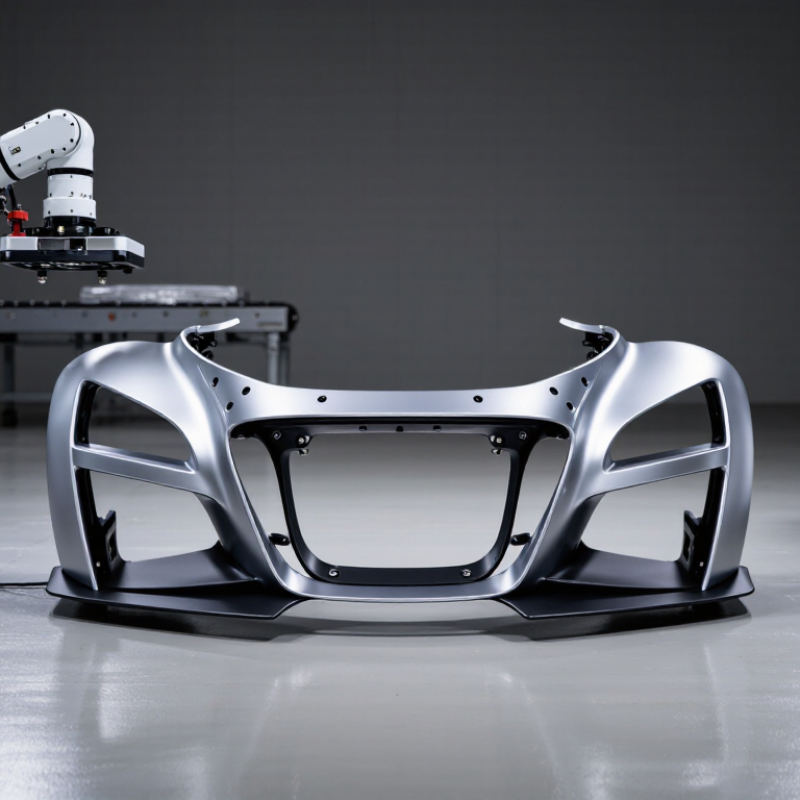
Front bumper manufacturers play a practical role in the global automotive supply chain. They do more than mold plastic covers. Their engineering teams develop energy-absorbing structures, mounting systems, grilles, sensors, and pedestrian protection features. Each component must fit accurately around headlights, cooling systems, and body panels.
Global buyers often compare the top ten manufacturers through measurable criteria. These include material consistency, tooling capability, production capacity, testing records, delivery reliability, and technical support. A dependable supplier can provide inspection reports, dimensional data, traceability records, and samples before mass production. This evidence helps buyers reduce costly fitting problems at assembly plants. It also supports compliance with different regional safety and environmental requirements.
Experience still matters. A factory that understands bumper warping can adjust cooling time, rib design, and packing pressure before defects spread. However, experience is not enough. Some suppliers rely too heavily on old tooling or informal checks. That is a weakness. Buyers should examine current equipment, quality controls, recycled material policies, and response times for engineering changes. I have found that small details, such as uneven gaps near a wheel arch, often reveal larger process issues. Global cooperation also requires clear drawings, stable packaging, and honest communication about delays. Not every low-cost offer remains economical after rework, shipping damage, or repeated inspections.
Top 10 Bumper Front Manufacturers for Global Buyers
Key Criteria for Evaluating Front Bumper Suppliers
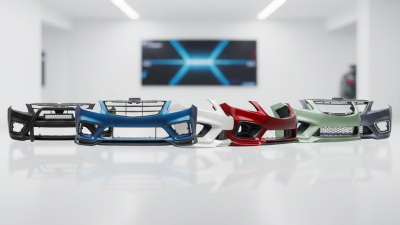
Choosing a front bumper supplier requires more than comparing catalog prices. Check material grades, wall thickness, surface finish, and dimensional tolerance. Request production samples before approving large orders. A bumper should align cleanly with headlights, grilles, fenders, and mounting points. Small gaps often reveal weak tooling control.
Ask for documented quality procedures, inspection records, and traceability for each batch. Suppliers should explain impact testing, environmental testing, and applicable safety requirements for your destination market. Confirm tooling ownership, replacement-part support, packaging strength, and realistic production capacity. A polished presentation proves little without repeatable inspection data.
Tips: Compare total cost, not only unit price. Review samples under bright light. Test fit before shipment. Ask difficult questions early.
Communication also deserves careful evaluation. Reliable suppliers provide clear drawings, delivery updates, corrective-action reports, and written answers. Lead times should include tooling, sampling, production, inspection, and transport. A very short promise may sound efficient, but it can hide missing quality steps. That deserves reflection. Some buyers focus too heavily on price and later pay for rework, delays, or damaged cargo. A balanced scorecard is safer: quality, compliance, capacity, communication, and long-term service.
This reference scorecard uses a 100% evaluation model for comparing bumper front suppliers without using company or brand data. Quality, regulatory compliance, delivery reliability, total cost, tooling capability, material traceability, customization, warranty, minimum order quantity, and communication are common procurement dimensions for global buyers.
Selecting among the top ten front bumper manufacturers requires more than comparing prices. OICA recorded 93.5 million motor vehicles produced worldwide in 2023. That scale increases demand for stable tooling, repeatable fit, and reliable export packaging. Experienced buyers should inspect bumper covers, brackets, energy absorbers, and grille interfaces separately. Small alignment errors can create visible gaps around headlights and fenders. This happens more often than suppliers admit.
Material control matters. Industry reports from Grand View Research identify plastics as a major material group in automotive components, supported by lightweighting and corrosion resistance. Buyers should request resin specifications, impact-test results, dimensional inspection records, and traceability documents. A sample should survive temperature changes, vibration, and repeated installation. It should also match the required regional safety standards. Certification alone is not enough.
Production evidence deserves equal attention. The International Organization for Standardization reports that ISO 9001 remains widely adopted for quality management, but certification cannot replace factory audits. Ask to see mold-maintenance logs, first-article inspection sheets, and packaging drop-test records. Measure one shipment yourself. That simple step may reveal weak cartons or inconsistent mounting points. Delivery performance is another concern; a low quotation becomes expensive when replacement parts arrive late. Some rankings also overlook technical support after tooling approval. That is a weakness worth questioning.
Top 10 Bumper Front Manufacturers for Global Buyers
Comparing Product Quality, Certifications, Capacity, and Pricing
Global buyers should compare bumper front manufacturers through measurable evidence, not polished catalog images. A reliable review begins with material grades, impact-test records, weld consistency, and paint adhesion. Inspectors should check panel gaps, mounting points, and surface finish on physical samples. Small defects often become expensive assembly problems.
Certifications also require careful verification. Buyers should request current certificates, testing reports, and factory audit records. Relevant quality systems may include ISO 9001, while environmental and material controls need separate evidence. A certificate alone proves little. Confirm its issuing body, scope, and expiration date. This step is often rushed.
Capacity must match the purchase plan. Ask about monthly output, tooling availability, production shifts, and backup suppliers for key materials. A factory producing 5,000 units monthly may struggle with a sudden 20,000-unit order. Pricing should include tooling, packaging, inspection, freight preparation, and warranty support. The lowest quotation can hide thin steel, weaker coatings, or unstable lead times. Request a detailed cost breakdown and compare identical specifications. Even experienced buyers make mistakes here. A realistic comparison may favor a slightly higher unit price when defect rates and delivery risks are lower. Keep records of sample approvals, corrective actions, and agreed tolerances. Details matter.
Choosing among the top 10 bumper front manufacturers requires more than comparing quoted prices. Examine factory experience, engineering staff, tooling capacity, and export history. Request product drawings, material specifications, and recent quality records. A reliable supplier should explain whether the bumper uses PP, ABS, or another approved material. Their answers should be specific, not rehearsed.
Ask for a sample before approving mass production. Check panel gaps, mounting points, surface finish, and resistance after controlled impact testing. A small test fitting can reveal hidden errors. Review the supplier’s inspection process, including dimensional checks and paint adhesion tests. Regional vehicle standards may also affect design, labeling, and documentation. Confirm these requirements with qualified local experts before shipment.
Sourcing decisions should include mold costs, minimum order quantities, packaging strength, lead times, and spare-part support. Visit the facility when possible, or arrange a live video audit showing production and inspection areas. Speak with several current buyers, not only the references selected by the supplier. No manufacturer is perfect. Even an experienced factory may miss a tolerance or delay a mold revision. Keep approval records, change-control rules, and payment milestones in writing. A practical scorecard can compare quality, communication, capacity, and total landed cost without letting the lowest quote dominate the decision.