Owning an Audi is more than just having a luxury vehicle. Each Audi auto part plays a crucial role in your car's performance and reliability. Understanding these parts enhances your ownership experience. Knowing what each component does may save you time and money on repairs.
There are essential parts every Audi owner should be familiar with. Each part contributes to the car's efficiency and safety. From the engine to the brakes, knowing your Audi auto part can help you identify issues early. For example, a well-maintained battery can prevent inconvenient breakdowns.
However, many owners overlook the significance of specific components. This can lead to costly repairs and frustrations. Recognizing the importance of each Audi auto part is a step toward responsible ownership. Explore these top ten parts, and learn how they impact your Audi's performance. Understanding them can make all the difference in your driving experience.
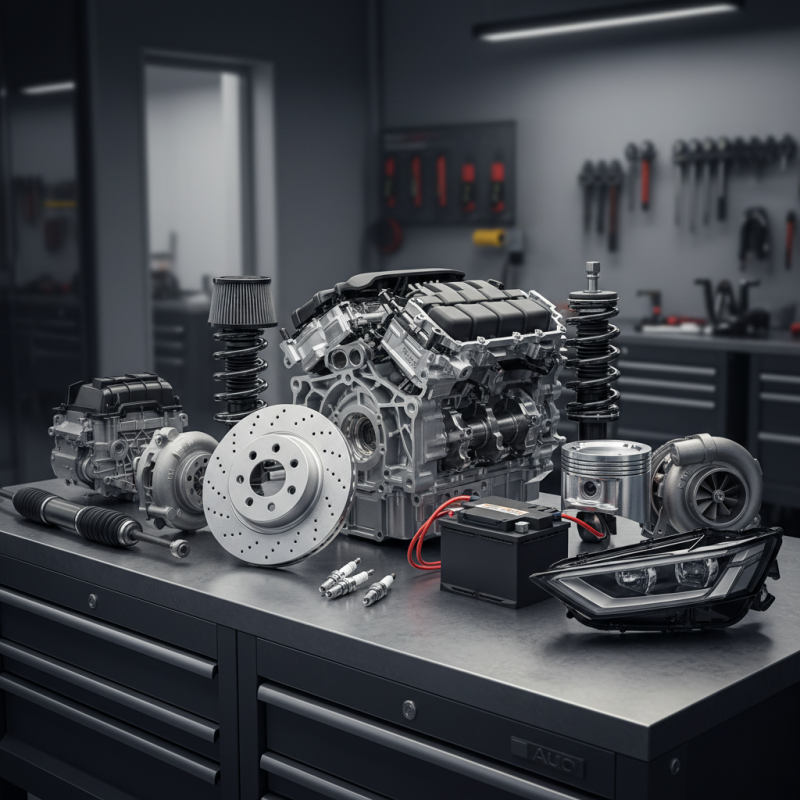
When it comes to luxury vehicles, understanding key components is crucial for every owner. Audi vehicles boast advanced engineering and high-quality parts. Knowing these can help you make informed decisions.
The engine is one of the most vital components. It powers the vehicle and needs regular maintenance. According to industry reports, a well-maintained engine can improve fuel efficiency by up to 15%. This seems simple, but neglect can lead to costly repairs.
Brakes are another essential part. They ensure safety and performance. Data shows that proper brake maintenance can reduce stopping distance by up to 20%. Lack of attention here can be dangerous.
**Tip:** Regularly check brake fluid levels.
Suspension systems enhance ride quality. A worn suspension can lead to an uncomfortable ride and may affect handling. Many owners overlook this, yet it’s crucial for driving comfort.
**Tip:** Look for signs of uneven tire wear.
Understanding these components can lead to better care of your vehicle. Regular inspections help prevent bigger issues down the road.
| Part Name | Function | Common Issues | Replacement Frequency |
|---|---|---|---|
| Engine Oil Filter | Filters contaminants from engine oil | Clogging, reduced engine performance | Every 5,000 - 10,000 miles |
| Brake Pads | Provide friction for braking | Wear and tear, squeaking noise | Every 20,000 - 50,000 miles |
| Air Filter | Filters air entering the engine | Clogging, reduced fuel efficiency | Every 15,000 - 30,000 miles |
| Spark Plugs | Ignite air/fuel mixture in the engine | Misfiring, poor fuel economy | Every 30,000 - 100,000 miles |
| Battery | Supplies electrical power to start the engine | Drainage, failure to start | Every 3 - 5 years |
| Timing Belt | Synchronizes engine components | Breakage, engine damage | Every 60,000 - 100,000 miles |
| Radiator | Cools the engine coolant | Leaks, overheating | Check regularly, replace as needed |
| Suspension Struts | Absorb shocks and improve handling | Worn components, poor ride quality | Every 50,000 - 100,000 miles |
| Fuel Filter | Cleans fuel before it enters the engine | Clogging, engine performance issues | Every 30,000 - 50,000 miles |
| Exhaust System | Expels gases produced by the engine | Corrosion, noise | Check regularly, replace as needed |
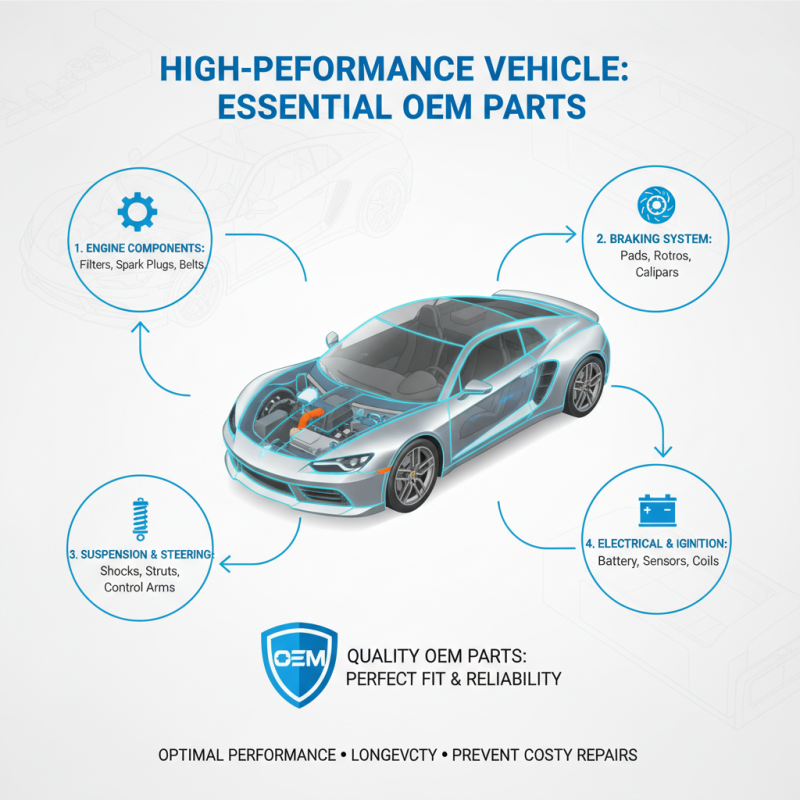
Maintaining a high-performance vehicle requires the right parts. Every owner should be familiar with essential components to ensure optimal functioning. Quality OEM parts play a crucial role in this. They are designed specifically for your vehicle, fitting perfectly and performing reliably. This is critical for the longevity of your car. Regular maintenance with OEM parts can prevent costly repairs down the line.
Filters are among the most important parts. They keep the engine clean and running smoothly. An oil filter helps remove contaminants from the engine oil. A clogged filter can reduce engine efficiency. Air filters are just as vital. They ensure optimal airflow to the engine, contributing to better fuel economy.
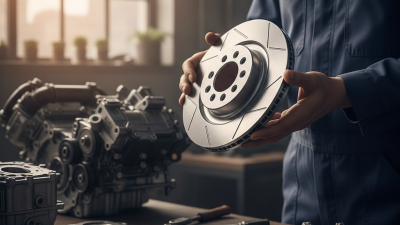
Consider brake pads as well. Over time, they wear down and lose effectiveness. Original parts provide better stopping power, which enhances safety. Ignoring this can lead to serious issues. Always pay attention to signs of wear. Timing belts also require careful monitoring. A failed belt can cause major engine damage. Keeping an eye on these components can make a significant difference.
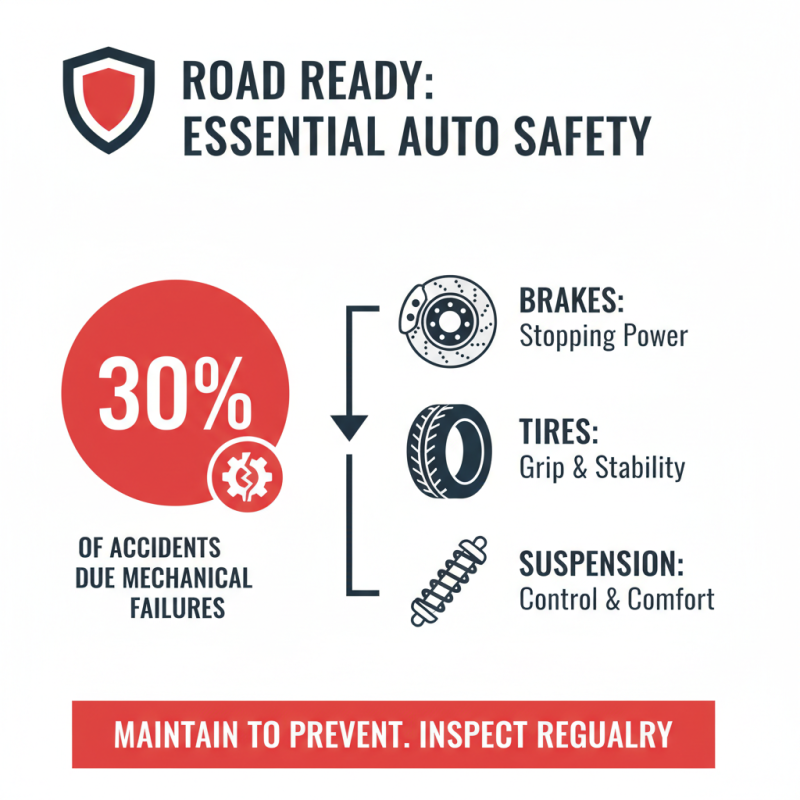
When it comes to vehicle safety, understanding essential auto parts is crucial. Properly functioning parts ensure that your vehicle performs optimally on the road. According to industry reports, over 30% of accidents result from mechanical failures. This highlight stresses the importance of maintaining critical components.
Braking systems are among the most vital parts. They directly influence stopping distances. An effective brake pad can significantly reduce stopping times. Routine checks can help identify wear before it leads to dangerous situations. Remember, a well-maintained brake system can improve your stopping ability by up to 20%.
Another key part is the suspension system. It impacts handling and stability. A well-functioning suspension ensures a smoother ride and better control. Neglecting it may lead to uneven tire wear and compromised safety. Regular alignment checks are essential for ensuring your suspension system remains effective.
Tip: Inspect tires regularly for wear and pressure. Proper tire maintenance can enhance grip, reducing the risk of accidents. Small habits lead to significant safety improvements. Many overlook this aspect, yet proper tire health is a simple, yet effective way to enhance safety. Keeping an eye on these parts can save lives.
Understanding the engine and transmission components of a vehicle is crucial for any owner. The engine serves as the heart, converting fuel into energy. Essential parts include spark plugs and timing belts. Spark plugs ignite the air-fuel mixture. Timing belts maintain engine timing. Regular checks can prevent costly repairs.
Transmission components facilitate smooth gear shifts. The gearbox is central to this process. Understanding automatic versus manual transmissions is vital. Each has unique parts that wear out. Fluid levels should be monitored regularly. Low fluid can lead to slippage or overheating.
Knowing your vehicle's parts helps you anticipate issues. Some owners overlook routine maintenance. This can lead to performance decline or breakdowns. Investing time in learning can pay off. Regular maintenance ensures longevity and reliability. The more you know, the better you can care for your vehicle.
When it comes to maintaining your vehicle, understanding common replacement parts can be crucial. Keeping an eye on components like brake pads and filters is essential for longevity. Brake pads wear down over time, affecting safety and performance. Ignoring them can lead to costly repairs later.
Another crucial part is the timing belt. It plays a vital role in engine performance. If it fails, it can cause significant damage. Regular inspection and replacement can prevent this. Oil filters also need attention. They ensure clean oil circulates in the engine. Neglecting them can lead to engine wear and tear.
Some owners might overlook the importance of spark plugs. They ignite the fuel-air mixture, impacting fuel efficiency and power. Replacing them on time can save you money at the pump. Additionally, air filters help keep the engine running smoothly. A clogged filter reduces airflow and can lead to poor performance. Addressing these smaller parts can significantly enhance your vehicle's health in the long run.
This chart illustrates the usage percentage of the top 10 common replacement parts for Audi vehicles. Understanding these parts can help owners ensure the longevity and performance of their cars.