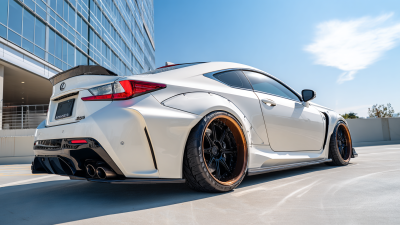
How to Choose the Right Car Body Kit for Your Vehicle
Choosing the right car body kit starts with more than appearance. It should suit your vehicle’s year, model, trim, and everyday use. A front lip, side skirts, or rear diffuser can change a car’s profile, but each part also needs to fit correctly and leave adequate ground clearance. Small gaps matter. A panel that sits unevenly may rattle, collect dirt, or require extra adjustment.
Material affects both feel and upkeep. ABS plastic and polyurethane are common choices for flexible components, while fiberglass can offer sharper shapes but may need more careful handling. Quality varies between manufacturers, so check product specifications, installation instructions, and reviews from owners with the same vehicle. Car Bodikit listings can use broad compatibility claims; confirm exact fitment with the seller or manufacturer before ordering. A professional installer can also spot mounting issues that photos may hide.
Think about how you drive and where you park. A low splitter may look striking, yet steep driveways and speed bumps can quickly test its practicality. Looks matter. So does daily comfort. Consider paint matching, replacement-part availability, and the total cost of fitting, not just the kit’s purchase price. Some choices are compromises, and a dramatic design may not be the easiest one to live with. Careful comparison helps you choose a kit that complements your vehicle without turning routine driving into a constant worry.
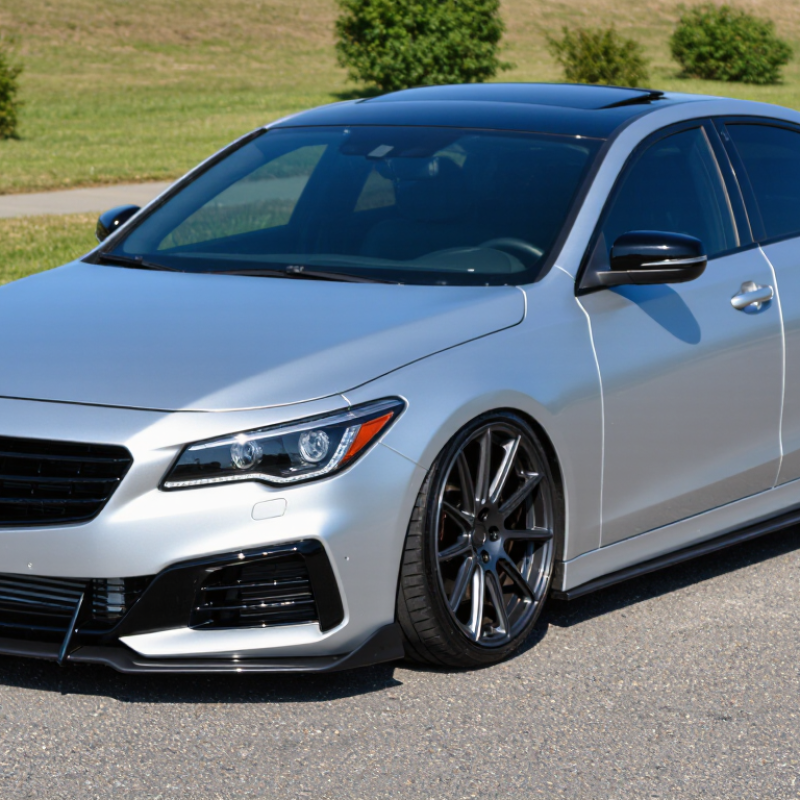
Define Your Vehicle’s Goals and Driving Requirements
Before choosing a body kit, decide what your vehicle needs to do on an ordinary day. A low front splitter may suit a show-focused build, but it can scrape on steep driveways or rough roads. For daily driving, check ground clearance, parking ramps, speed bumps, and winter conditions. If the car carries passengers or luggage, note how often and where. Small details matter. Also decide whether your goal is a cleaner look, improved airflow management, or a more track-oriented setup. Not every visual upgrade improves function; that distinction is easy to overlook.
Tips: Write down your three regular routes and measure clearance at the vehicle’s lowest point. Ask a qualified installer how the kit may affect cooling, sensor access, and routine service. Keep a little margin.
Consider material and fit alongside driving demands. Flexible components may tolerate minor contact better, while stiffer pieces can hold their shape but need careful fitting. Actual performance depends on the design, mounting, and vehicle condition, so verify specifications rather than guessing. A kit that looks perfect in photos may feel impractical after a month of tight parking. I might still choose a more dramatic look, but I would question that choice before ordering.
Check Vehicle Fitment, Materials, and Build Quality
How to Choose the Right Car Body Kit for Your Vehicle
Check Vehicle Fitment, Materials, and Build Quality
Start with exact fitment, not appearance alone. Confirm the vehicle’s year, model, body style, and trim. A kit listed for the same model may still differ around bumpers, exhaust cutouts, or parking sensors. Compare the product’s fitment notes with your vehicle documents, then inspect clear photos of the mounting points. Measure twice. Small differences matter.
Material affects both installation and daily use. ABS plastic is often lightweight and flexible, while polyurethane can handle minor impacts without cracking as easily. Fiberglass may allow detailed shaping, but it can require more careful fitting and finishing. None is perfect. Consider your climate, road conditions, and how often the car encounters steep driveways. A low front lip can scrape on a sharp ramp, even when it looks fine in photos.
Build quality shows in the details. Check whether panel edges are even, mounting holes line up, and the surface has obvious waves or thin spots. Ask what hardware and installation guidance are included. Before paint, test-fit every piece and check gaps under good lighting; paint can make later adjustments harder. Some parts need minor trimming, which is easy to underestimate. If the seller cannot clarify fitment or material, pause before ordering.
How to Choose the Right Car Body Kit: Comparing Material Density
These approximate densities help compare material weight, but density alone does not determine strength or durability. Actual values vary by formulation and construction. Before buying, confirm the kit fits your exact vehicle year, make, and model, and check its mounting points, finish, and build quality.
Assess Aerodynamics, Installation, and Legal Requirements
Choose a body kit by its effect on airflow, not appearance alone. The U.S. Department of Energy’s vehicle-efficiency guidance describes aerodynamic drag as rising with the square of speed: doubling speed can produce roughly four times the drag force. A deep front splitter may help manage airflow, but poor fitment can create turbulence or scrape on a steep driveway. Small changes matter. Ask for test data when available; a dramatic shape is not proof of better efficiency.
Installation deserves equal attention. Check that mounting points match your vehicle and that the kit leaves sensors, cooling openings, tires, and service access unobstructed. Uneven panel gaps can signal rushed fitting, and loose fasteners may let parts vibrate at highway speed. In the United States, verify lighting remains compliant with NHTSA’s Federal Motor Vehicle Safety Standard No. 108. Also check local rules for vehicle height, sharp edges, and plate visibility; requirements vary by location.
Tips: Before buying, measure ground clearance and photograph the factory mounting points. Ask an experienced installer for a written fitment plan. I would still recheck every fastener after the first few drives; installation guides do not always account for rough roads.
Balance Your Budget with Long-Term Maintenance Needs
A low-priced body kit can become expensive if its fit is poor. Check what the quoted price includes: panels, mounting hardware, preparation, paint, and installation. A kit that needs extensive trimming may add hours of labor and leave uneven gaps around the wheel arches. Ask an experienced installer to inspect the vehicle and explain likely fitting work before you buy. Get the estimate in writing.
Small details matter.
Long-term upkeep depends on material, driving conditions, and ground clearance. A front lip may scrape on steep driveways, while a rigid panel can crack after a minor impact. Replacing one damaged piece is easier when the kit has separately available components. Ask how repairs are made and whether ordinary body shops can handle them. Also consider cleaning: deep grooves collect road grime, and textured finishes may be harder to restore evenly.
I would not choose a kit by appearance alone; that is an easy mistake. Set aside money for occasional repairs, not just the initial installation. A modest kit with sensible clearance may suit daily driving better than a dramatic design that needs constant attention.