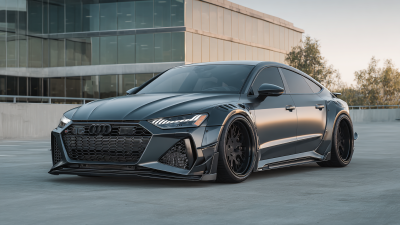
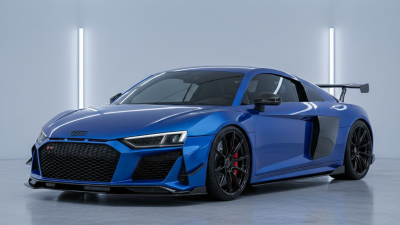
2026 How to Choose the Best Audi Bodykit for Your Car?
Choosing the right Audi Bodykit can transform your car's appearance and performance. It’s not just about looks; it's about expressing your personal style. Many Audi enthusiasts face challenges when selecting the perfect bodykit. Options abound, and the choice can feel overwhelming.
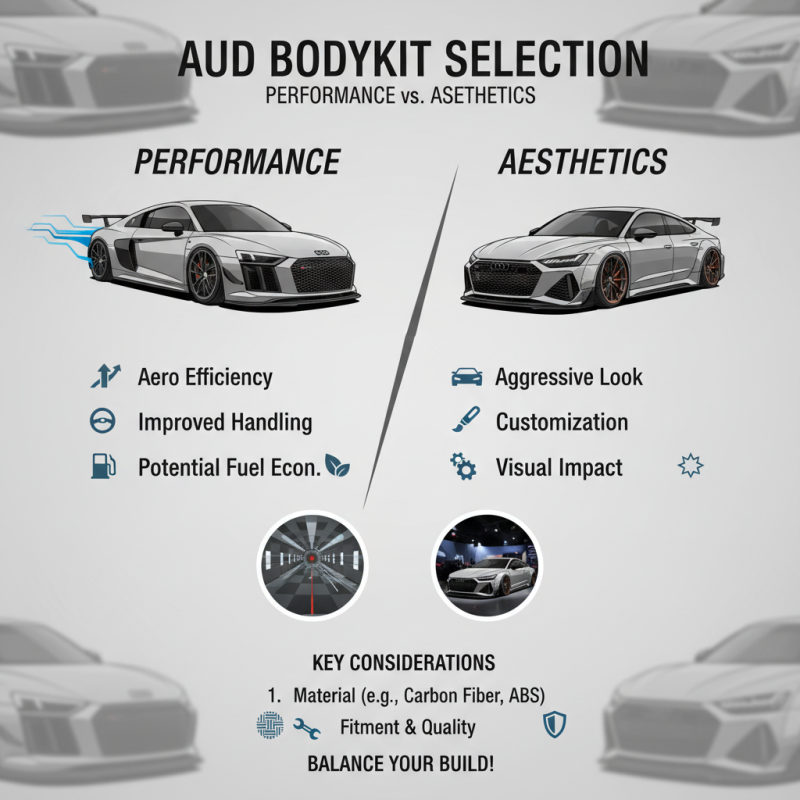
Understanding the different styles and materials is essential. Quality matters, and not all kits are created equal. A well-designed Audi Bodykit enhances aerodynamics and can improve handling. However, some kits might compromise comfort. It’s a delicate balance between aesthetics and functionality.
As you navigate this process, consider your vehicle's purpose. Whether for daily driving or track use, the right bodykit plays a crucial role. Seek expert advice and compare products. Sometimes, choices may lead to regret. Prioritizing your needs and researching thoroughly can help avoid mistakes.
Understanding Audi Bodykits: Types and Purposes Explained
When exploring Audi bodykits, it's essential to understand their various types and purposes. Bodykits generally include bumpers, side skirts, hoods, and spoilers. Each piece serves a unique role in enhancing aesthetics and improving aerodynamics. For instance, a well-designed front bumper can provide better airflow, potentially increasing engine efficiency.
Different styles cater to different preferences. Some may seek a sporty look, while others aim for a more aggressive stance. It's important to choose a bodykit that resonates with your personal taste. However, the wrong selection may lead to mismatched components. Over time, poorly suited bodykits can detract from the car's original character.
Installation can be more complex than anticipated. Not all kits fit perfectly upon arrival. Future adjustments may be necessary. The materials used can also vary in durability. Some kits may look great initially but might not withstand harsh weather. Investing time in research will yield a better result. Every detail matters when it comes to enhancing your vehicle’s overall appearance and performance.
Material Comparison: Fiber, Carbon, and Polyurethane in Bodykits
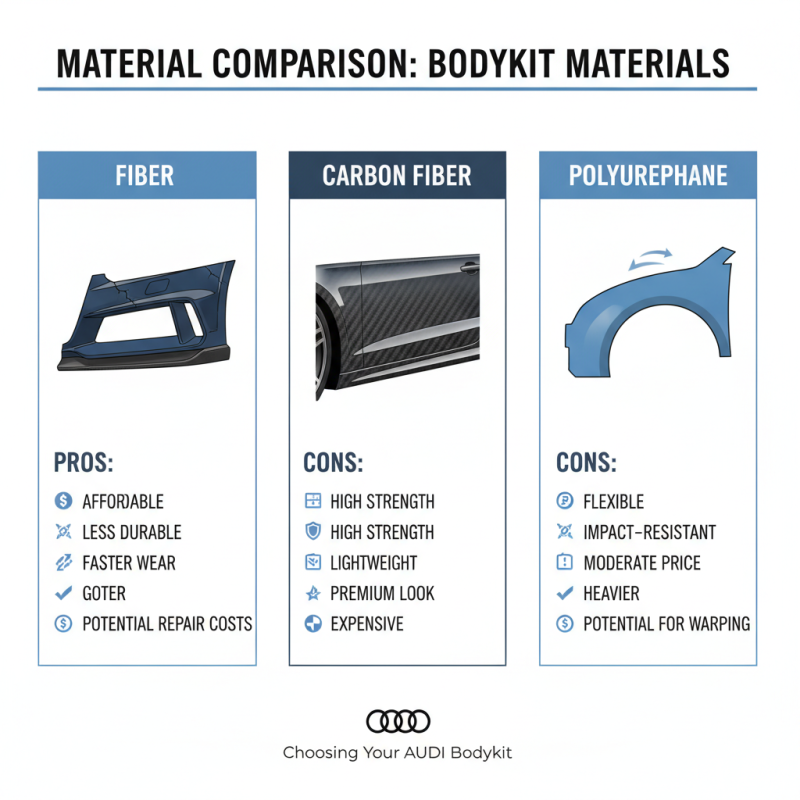
When selecting the best Audi bodykit, understanding the materials involved is crucial. Common options include fiber, carbon fiber, and polyurethane, each offering distinct advantages and disadvantages. Fiber is noticeably more affordable but may lack durability. It often shows wear faster than other materials. This may lead to additional costs down the line, as repairs or replacements might be necessary.
In contrast, carbon fiber stands out for its lightweight properties. According to industry reports, carbon fiber can reduce overall vehicle weight by up to 30%. This can enhance performance and fuel efficiency. However, the price point is significantly higher, which can be a barrier for many enthusiasts. It's important to weigh the potential benefits against the investment. Hasty choices can lead to regret, especially with such a costly option.
Polyurethane presents a balance between the two. This material is known for its flexibility and impact resistance. Reports indicate that polyurethane can withstand more stress before failing. While it's not as light as carbon fiber, durability is its strong suit. Careful consideration of your needs and budget will help decide which material is the best fit for your Audi.
Installation Considerations: DIY vs Professional Help for Bodykits
When considering the installation of a bodykit for your Audi, you face a critical choice: DIY or professional help. Both options have distinct benefits and challenges. According to recent industry reports, nearly 62% of car enthusiasts opt for professional installation to ensure quality and precision. Professionals often have the experience needed to handle the complexities involved in bodykit installation, resulting in better fitting and aesthetics.
On the other hand, DIY installation can be appealing for those looking to save costs. With about 37% of car owners attempting DIY, the satisfaction level can be high if done correctly. However, many underestimate the skill required. Reports show that common pitfalls include misalignment and poor adhesive application, which can ruin the look and function of the bodykit. Each failed attempt can lead to additional costs and time, causing frustration.
Think carefully about your skills and tools before deciding. While saving money is attractive, professional installation ensures accuracy and longevity. Misjudgment in DIY could lead to potential disappointments or safety issues. Choose wisely to avoid complications down the road.
Comparison of Installation Costs for Audi Bodykits
Impact of Bodykits on Vehicle Aerodynamics and Fuel Efficiency
Bodykits significantly influence vehicle aerodynamics and can enhance fuel efficiency. According to a study by the National Renewable Energy Laboratory, optimized bodykits can reduce drag by up to 15%. This reduction improves the vehicle's fuel consumption and overall speed. When considering a bodykit, understanding airflow is crucial. Properly designed kits redirect wind, thus minimizing turbulence.
Aerodynamics plays a vital role in vehicle performance. A well-constructed bodykit can create downforce, which improves traction and handling. For example, a rear spoiler can increase stability at high speeds. However, not all bodykits achieve these goals effectively. Some designs may inadvertently increase drag, leading to decreased fuel efficiency.
Investing in the right bodykit requires careful consideration. Evaluating your vehicle's design and intended use is essential. Not every kit will deliver the promised benefits. Studies suggest that a poorly fitted bodykit can result in negative impacts on vehicle handling. Staying informed about these factors is vital for making a smart choice.