What is a Front Bumper How to Choose the Right One for Your Vehicle
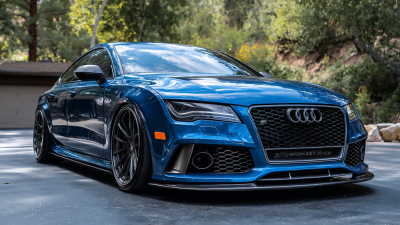
When it comes to enhancing the safety and aesthetic appeal of a vehicle, the front bumper plays a crucial role. Experts in the automotive industry highlight the importance of selecting the right front bumper, especially for luxury vehicles like Audi. According to automotive specialist Michael Johnson, "Choosing the perfect front bumper for your Audi not only improves its resilience but also elevates its overall style." This emphasizes the significance of making an informed decision when selecting a front bumper that complements your vehicle's design while providing adequate protection.
The front bumper is not merely a decorative component; it serves as a primary safety feature, absorbing impact and protecting critical vehicle systems. Understanding the various options available for the Front Bumper Audi allows owners to tailor their vehicle to both their practical needs and personal aesthetic preferences. Whether you are considering an upgraded bumper for enhanced robustness or a more stylish design, the choice of front bumper can significantly influence your driving experience and the look of your car.
As we delve into the factors that should guide your choice of front bumpers, it's essential to consider aspects such as material composition, design compatibility, and installation requirements. By doing so, you can ensure that your Audi not only performs optimally but also stands out on the road.

What is a Front Bumper and Its Purpose in Vehicle Design
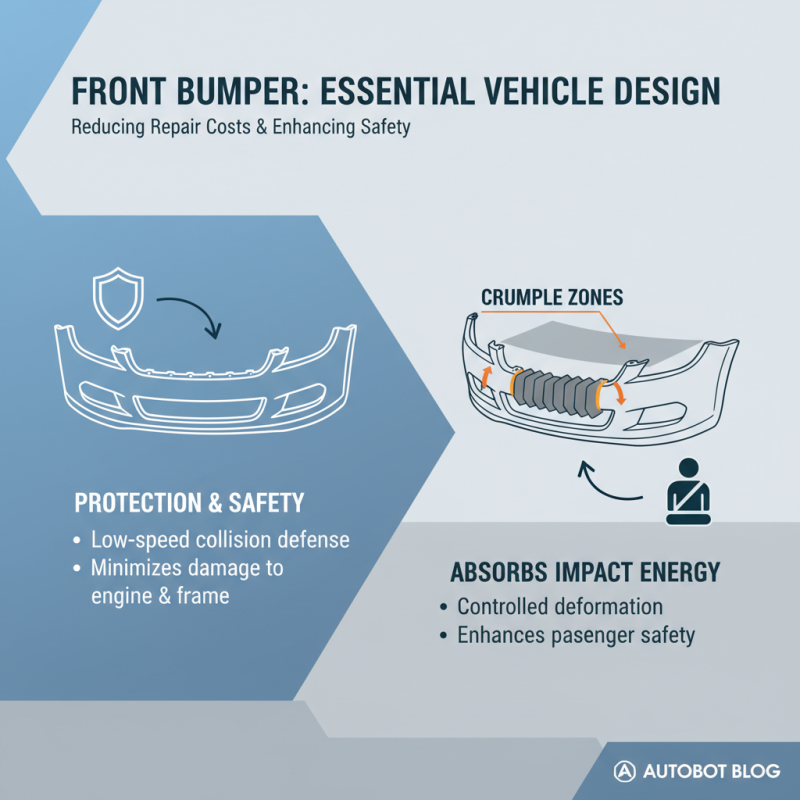
A front bumper is an essential component in vehicle design, serving multiple vital purposes. Firstly, it acts as the first line of defense in protecting a vehicle during low-speed collisions. By absorbing impact energy, it minimizes damage to the frame and critical systems such as the engine and electrical components, ultimately helping to reduce repair costs. Furthermore, modern front bumpers are often designed with crumple zones. These are engineered to deform in a controlled manner, slowing down impact forces and enhancing passenger safety.
In addition to safety benefits, front bumpers contribute to the overall aesthetics and aerodynamics of a vehicle. They can be tailored to complement the design language of a car, providing a cohesive look that enhances visual appeal. Beyond aesthetics, their design can aid in improving airflow around the vehicle, which is crucial for optimizing fuel efficiency and performance. As vehicle standards evolve, the integration of features such as sensors for advanced driver assistance systems becomes increasingly common, highlighting the growing importance of front bumpers in both functionality and style.
Different Types of Front Bumpers Available in the Market
When considering a front bumper for your vehicle, it’s essential to understand the different types available in the market. The most common types are plastic, metal, and composite bumpers. Plastic bumpers are lightweight and cost-effective, often found on many modern vehicles. They provide adequate protection against minor collisions while being easy to paint and customize. However, they may not offer the same level of durability as other materials in more severe impacts.
Metal bumpers, typically made from steel or aluminum, are known for their strength and robustness. They are designed to withstand more significant force during accidents, making them popular among off-road enthusiasts and those who prioritize vehicle protection. While metal bumpers can add extra weight to the vehicle, they often provide a fierce aesthetic appeal and enhanced functionality. Composite bumpers, on the other hand, combine materials for a balance of durability and weight. They are often used in performance vehicles, as they can reduce overall mass while maintaining high resistance to damage. Each type of bumper comes with distinct features, and understanding these can help you make an informed choice based on your vehicle's needs and your driving habits.
What is a Front Bumper - How to Choose the Right One for Your Vehicle
| Bumper Type |
Material |
Weight (lbs) |
Durability Rating |
Price ($) |
| Plastic Bumper |
Polypropylene |
20 |
Standard |
150 |
| Steel Bumper |
Steel |
30 |
High |
300 |
| Aluminum Bumper |
Aluminum |
25 |
Medium |
250 |
| Fiberglass Bumper |
Fiberglass |
15 |
Low |
120 |
| Hybrid Bumper |
Plastic/Metal |
22 |
Medium |
200 |
Factors to Consider When Choosing a Front Bumper for Your Vehicle
When selecting a front bumper, several crucial factors must be taken into account to ensure compatibility, functionality, and aesthetic appeal for your vehicle. Firstly, consider the material of the bumper, as this impacts both durability and weight. Common materials include steel, aluminum, and plastic composites, each offering distinct advantages. For instance, steel bumpers are renowned for their strength and resistance to impacts, making them a preferred choice for off-road enthusiasts. According to industry reports, vehicles equipped with high-quality steel bumpers can experience up to 30% better resistance to collision damage compared to those with standard factory bumpers.
Another essential factor is the type of installation. Some bumpers are designed for easy bolt-on installation, while others may require professional modifications or welding, particularly for custom or heavy-duty designs. A study by the Automotive Engineering Association notes that improper installation can lead to a 15% increase in post-collision repair costs, highlighting the importance of ensuring that the chosen bumper is compatible with your vehicle's specifications and installation capability. Additionally, functionality features such as winch mounts, additional lighting provisions, and tow hooks should also be evaluated based on your specific needs—whether for regular commuting or off-road adventures.
Benefits of Upgrading to a Custom Front Bumper
Upgrading to a custom front bumper offers a multitude of benefits that can enhance not only the aesthetic appeal of your vehicle but also its functionality and safety. According to a report by MarketsandMarkets, the automotive aftermarket industry is projected to grow significantly, with a notable increase in demand for custom parts, including bumpers. Custom front bumpers are designed to provide better protection against impacts, which can be crucial in off-road conditions or during minor collisions. With the increased use of lightweight materials and advanced design techniques, these bumpers can reduce the overall weight of your vehicle while improving durability and impact resistance.
Additionally, a custom front bumper can provide improved aerodynamics and better approach angles for off-roading enthusiasts, enhancing the vehicle’s performance. Research indicates that vehicles equipped with enhanced aftermarket bumpers can experience a reduction in drag, which can contribute to better fuel efficiency—a key consideration for environmentally conscious drivers. Beyond performance, these upgrades often come with options for integrated lighting and winches, further augmenting the versatility of the vehicle. By investing in a custom front bumper, vehicle owners can tailor their ride to suit their personal style and driving needs, ensuring they maximize both safety and functionality.
Benefits of Upgrading to a Custom Front Bumper
Installation Tips for Your New Front Bumper: A Step-by-Step Guide
Installing a new front bumper can be a rewarding project that significantly enhances your vehicle's appearance and functionality. Start by gathering all necessary tools, including a socket set, screwdrivers, and potentially a torque wrench. Before beginning, ensure that your vehicle is parked on a flat surface and that the ignition is off. Safety should be a priority, so wear protective gloves and eyewear throughout the installation process.
To remove the existing bumper, first detach any clips or screws holding it in place. Carefully disconnect any wiring for fog lights or sensors, paying attention to how components are connected for easy reassembly. With the old bumper off, align the new bumper with the mounts on your vehicle, ensuring it fits snugly. Secure it using the provided hardware. For a seamless installation, refer to your bumper's installation guide to torque specifications and wiring connections as necessary.
After everything is secured, double-check your work for any loose ends before lowering your vehicle and testing the new bumper’s features, such as lights and sensors, if applicable.