How to Choose the Best Audi Body Kit for Your Car?
When considering modifications for your vehicle, an Audi Body Kit stands out as a popular choice. These kits enhance both aesthetics and performance of your car. With various designs and materials available, choosing the right one can feel overwhelming.
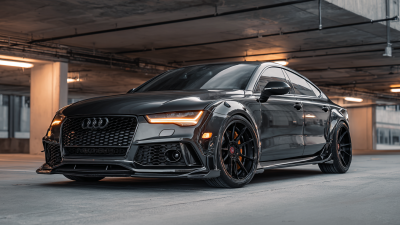
Many factors come into play. Think about your driving style and personal taste. Do you prefer a more aggressive look, or something sleek and understated? Each Audi Body Kit brings a unique character to the car, influencing its overall appeal.
Moreover, exploring options from reputable manufacturers is crucial. Quality ensures durability and performance. Sometimes, compromises on cost can lead to regrettable choices later. Take time to research, and consider your intentions for upgrading. It’s an important decision that goes beyond mere appearance. Reflect on how each choice aligns with your vision for your vehicle.
Understanding Body Kits: What They Are and Their Purpose
Body kits have become a significant feature in automotive customization. They typically include components like bumpers, side skirts, and spoilers. A well-designed kit enhances a car's aesthetic and aerodynamic performance. According to industry reports, vehicles with upgraded body kits can see an increase in aerodynamic efficiency by up to 15%. This improvement can reduce drag, leading to better fuel economy and handling.
Understanding the purpose of body kits is crucial for car enthusiasts. Beyond looks, these modifications serve practical functions. They can improve stability and traction at higher speeds. However, not all kits are created equal. Some may sacrifice quality for style, potentially leading to fitment issues or performance drawbacks. Studies indicate that nearly 30% of body kit installations result in improper alignment with original parts. Reflecting on this, selecting the right kit requires careful consideration of material, design, and intended use.
The appeal of body kits lies in their transformative power. They allow for personalization and can increase the car's resale value. Yet, it's essential to ask: is the enhancement worth the investment? Many enthusiasts find satisfaction in customization, but others may leave feeling regret. Understanding these elements helps ensure a well-rounded decision.
Popular Audi Body Kit Features and Preferences
Factors to Consider When Choosing an Audi Body Kit
Choosing a body kit for your Audi is an important decision. There are several factors to consider. Start by assessing your car's model and year. Not all kits fit every model. You'll want to ensure that the style matches your vehicle's aesthetics. Consider materials like fiberglass or polyurethane. Each has its pros and cons.
Fiberglass is lightweight but can crack. Polyurethane is more flexible but often heavier.
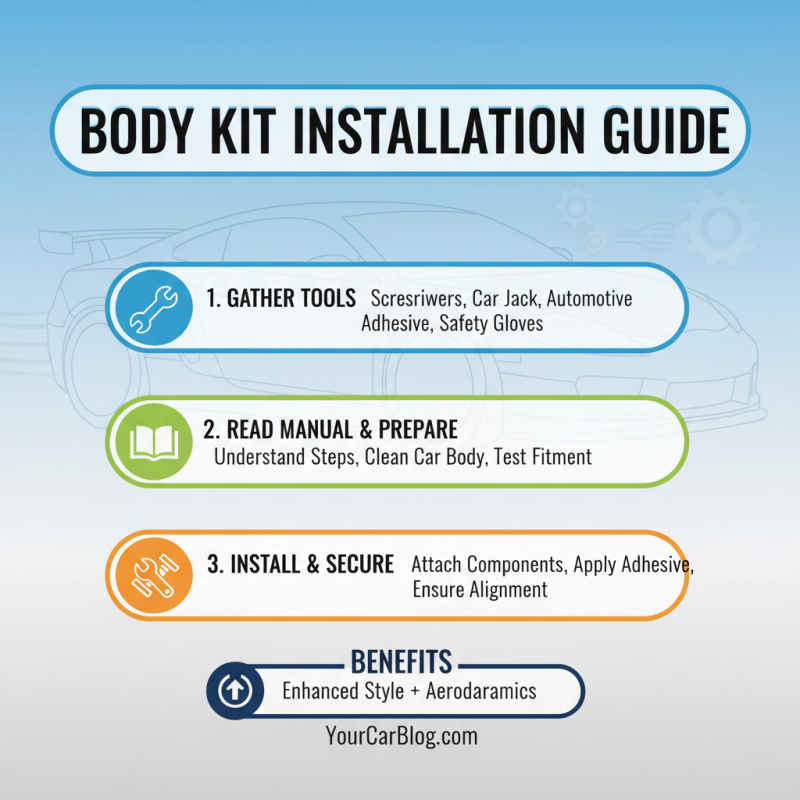
Next, think about your performance goals. Some body kits are designed for aerodynamics. Others focus on visual impact. You should also reflect on the installation process. Some kits require professional help. This can increase your total cost significantly. If you're a DIY enthusiast, you may prefer easier installations.
Don’t forget about your budget. Quality body kits may be pricey, but they offer better durability. Sometimes, cheaper options may not last long. Research reviews before making a purchase. These can provide insights from previous buyers. After all, a body kit is an investment in your car’s personality. Make sure you choose wisely.
Types of Audi Body Kits: Which One Fits Your Style?
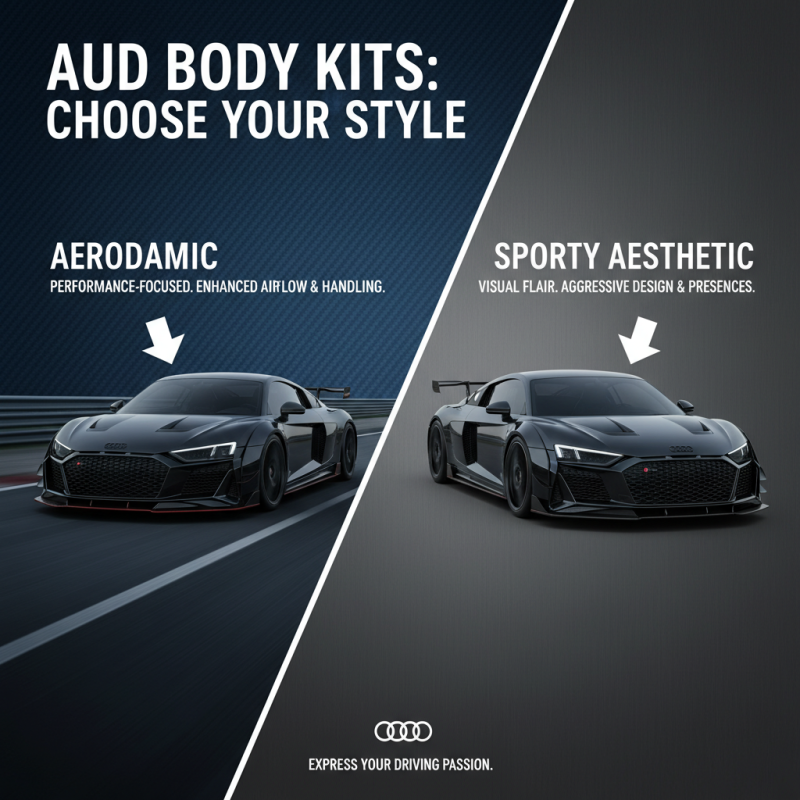
When selecting an Audi body kit, consider your style and preferences. There are several types available. Some kits focus on aerodynamics, improving performance. Others prioritize a sporty look, enhancing the vehicle's visual appeal. Each type serves a distinct purpose.
A study by a leading automotive research firm indicates that about 40% of car enthusiasts choose body kits for aesthetic reasons. A striking design can elevate a car’s presence on the road. Fusion kits combine elements from various styles, offering a unique personal touch. However, blending styles can sometimes lead to a chaotic look if not done thoughtfully.
Furthermore, quality varies significantly among body kits. Some materials are lighter and more durable, while others may not stand the test of time. A cheaper kit might save money initially but can result in increased repair costs down the line. It’s essential to examine customer reviews and expert opinions before making a choice. Achieving the right balance between style and functionality is crucial for a rewarding upgrade.
Material Options for Audi Body Kits: Pros and Cons
When selecting a body kit for your Audi, material choice is crucial. Various materials offer unique advantages and drawbacks. Fiberglass is a popular option due to its affordability and lightweight nature. However, it can be prone to cracking over time. This may lead to necessary repairs. Some people overlook this aspect, only to regret it later.
Another material to consider is urethane. It is durable and flexible, making it resistant to damage from minor impacts. Many enthusiasts prefer this option for its longevity. Yet, urethane components can be heavier than fiberglass. This might not suit those aiming for maximum performance. Weighing the pros and cons is essential for making an informed choice.
Carbon fiber is the premium option, known for its strength and lightweight properties. It offers a sleek look and can significantly enhance performance. However, it comes with a higher price tag. This can be a dealbreaker for budget-conscious buyers. It’s vital to evaluate your situation carefully. Deciding the right material involves balancing costs, durability, and aesthetic preferences. Each choice has its sacrifices and merits, challenging the decision-making process.