How to Choose the Right Car Front Bumper for Your Vehicle?
Choosing the right car front bumper is essential for vehicle safety and aesthetics. The front bumper plays a critical role in protecting your car and absorbing impact during collisions. It also significantly impacts the overall look of your vehicle.
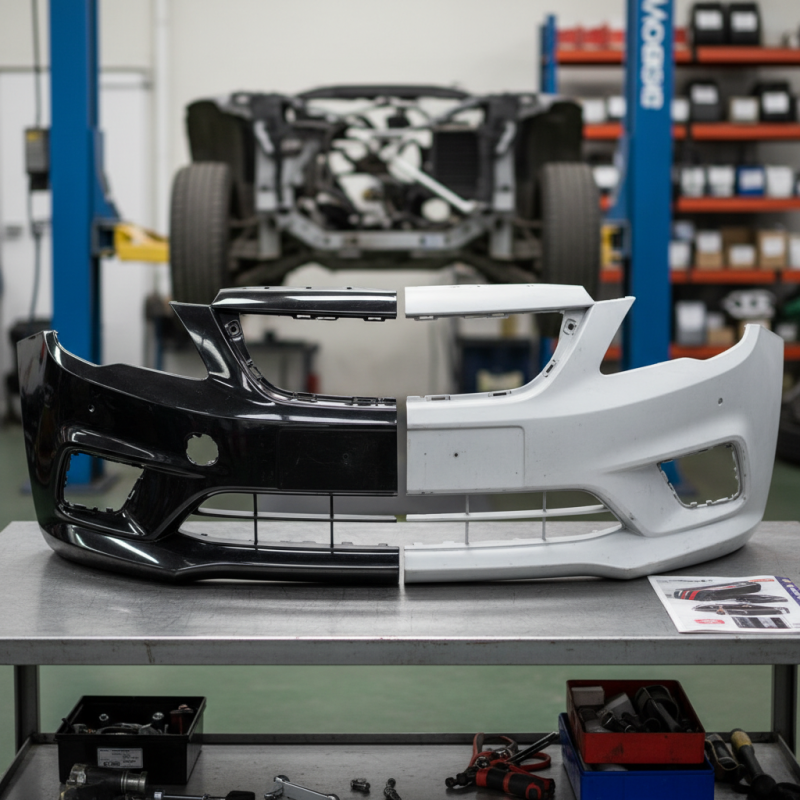
When selecting a car front bumper, consider factors like material, design, and compatibility. Common materials include plastic and fiberglass. Each offers different benefits and drawbacks. Plastic bumpers are lightweight but may not withstand severe impacts as well as fiberglass ones.
Additionally, think about your vehicle’s style. A sporty design can enhance performance but may not suit every car. Many drivers overlook these details, leading to confusion later on. Reflecting on your needs will help you choose wisely.
Understanding the Importance of a Car Front Bumper
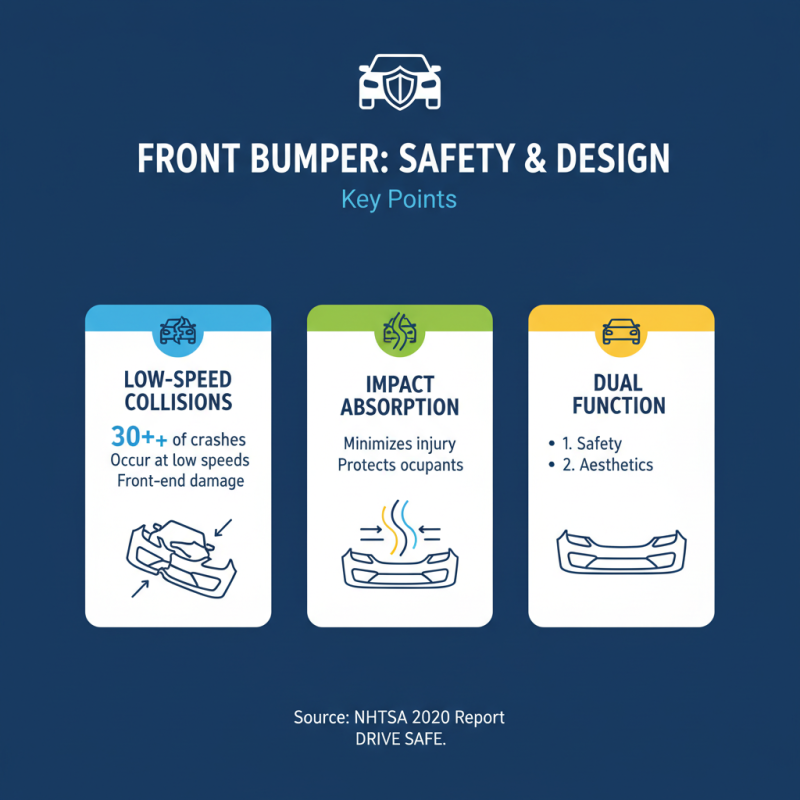
The front bumper of a vehicle plays a crucial role in safety and aesthetics. According to a 2020 National Highway Traffic Safety Administration report, over 30% of collisions occur at low speeds, often resulting in significant front-end damage. A well-designed bumper absorbs impact energy, protecting both the car and its occupants. Its primary function is to minimize injuries during a collision.
Bumpers are more than just a safety feature; they enhance the vehicle's appearance. A recent study by Automotive News showed that over 60% of consumers consider the design of the front bumper when purchasing a car. This reflects how essential it is to choose one that complements your vehicle's style.
However, not all bumpers are created equal. Many vehicle owners may overlook the importance of material quality and compliance with safety standards. Low-quality bumpers can lead to inadequate protection. This is a common oversight. It is crucial to research and reflect on the right bumper for your vehicle, considering both safety ratings and design preferences.
Identifying Your Vehicle's Compatibility with Bumper Types
When choosing a car front bumper, compatibility is crucial. Every vehicle has specific requirements based on its make and model. Not all bumpers will fit every car, so it’s essential to research. Start by checking your vehicle’s user manual. It usually lists compatible parts. You can also check online resources or forums.
Consider the style of your vehicle. The look of your car can affect which bumper will suit it best. For example, a sporty car may look best with a sleek, low-profile bumper. Conversely, an SUV might require a more rugged style. The shapes and sizes vary significantly. Take measurements if you’re unsure.
It's easy to rush into a decision. Many people buy bumpers based simply on appearance. This can lead to mismatched parts. Additionally, think about the material. Different materials serve different purposes. Some are more suitable for off-road use, while others prioritize aesthetics. Reflect on your driving habits and what you truly need.
Exploring Material Options for Durability and Aesthetics
When considering the right front bumper for your vehicle, material choice is crucial. Durability and aesthetics often go hand in hand. There are three primary materials to explore:
plastic, aluminum, and steel.
Plastic bumpers are lightweight and resistant to corrosion. They can withstand minor impacts without significant damage. However, they may not hold up well in severe accidents.
Aluminum bumpers offer a blend of strength and style. They are lightweight but tend to be pricier.
Steel bumpers are the most durable. They provide excellent protection but can be heavy and affect fuel efficiency.
Tips: Opt for a material that matches your driving habits. If you often navigate through traffic, a sturdy option could be wise. If you're concerned about aesthetics, choose materials that align with your vehicle's style. Additionally, consider how frequently you'll replace the bumper. Sometimes, the cheapest options might not last long. Reflect on your lifestyle and budget before making a final decision.
Evaluating Safety Standards and Regulations for Bumpers
When selecting a car front bumper, safety standards play a crucial role. Many regions enforce regulations that ensure bumpers can absorb impacts. For instance, the National Highway Traffic Safety Administration (NHTSA) mandates specific energy absorption tests. These tests help to minimize injuries during collisions, especially in low-speed crashes. Research shows that vehicles equipped with compliant bumpers can reduce repair costs by up to 35%.
It's important to note that not all bumpers meet these standards. Some aftermarket options may not provide the same level of protection. Buyers should verify compliance with safety regulations before making a purchase. A poorly designed bumper could compromise safety. Always look for products that provide detailed safety rating information.
Tip: Check for certifications that indicate a bumper's adherence to safety standards.
Analyze the materials used. High-quality bumpers typically utilize reinforced plastics or composites. These materials enhance strength and durability. However, some cheaper options may lack adequate testing. Choosing a bumper based on looks alone could lead to regrets later.
Tip: Consider professional installation for proper alignment. An improperly fitted bumper can fail during an accident, defeating its purpose.
Investing time in research can lead to a safer driving experience.
Considering Installation and Maintenance Requirements for Bumpers
When selecting a car front bumper, installation and maintenance are crucial aspects to consider. The right bumper can enhance your vehicle's look and protect it from damage. However, improper installation could lead to issues down the road. Each bumper type varies in complexity, so carefully assess your skills before starting the installation. It’s essential to have the right tools on hand, such as wrenches and screwdrivers, to avoid unnecessary delays.
Maintenance plays a key role in ensuring the longevity of your bumper. Regular inspections can help identify cracks or loose fittings early on. These issues might seem minor at first, but they can escalate quickly. Cleaning the bumper with appropriate products is also important. Using harsh chemicals can deteriorate its finish. Also, consider the exposure to weather elements and road debris, which can affect the bumper's integrity. Reflect on how often you’re willing to maintain your bumper to keep it in optimal condition.