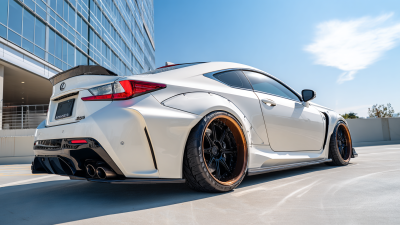
How to Choose the Best Car Body Kit for Your Vehicle?
Choosing the right Car Body Kit for your vehicle is crucial. A well-selected kit can enhance aesthetics, aerodynamics, and performance. According to a recent industry report, the global automotive aftermarket is projected to reach $1 trillion by 2025, with body kits being a significant segment of this growth. This highlights the increasing demand for personalizing vehicles.
However, selecting the best Car Body Kit can be challenging. With so many options available, it’s easy to feel overwhelmed. Not all kits will suit your vehicle, and compatibility is key. Additionally, factors like material quality and design impact safety and durability. Some kits may even require professional installation, adding to the overall cost.
Moreover, potential drawbacks exist. Installation can alter a vehicle’s warranty. Misleading marketing may lead you to invest in a kit that doesn't deliver. Ensuring you choose wisely is essential. Researching brands and gathering reviews can help avoid costly mistakes. Understanding these elements will guide you toward making an informed decision.
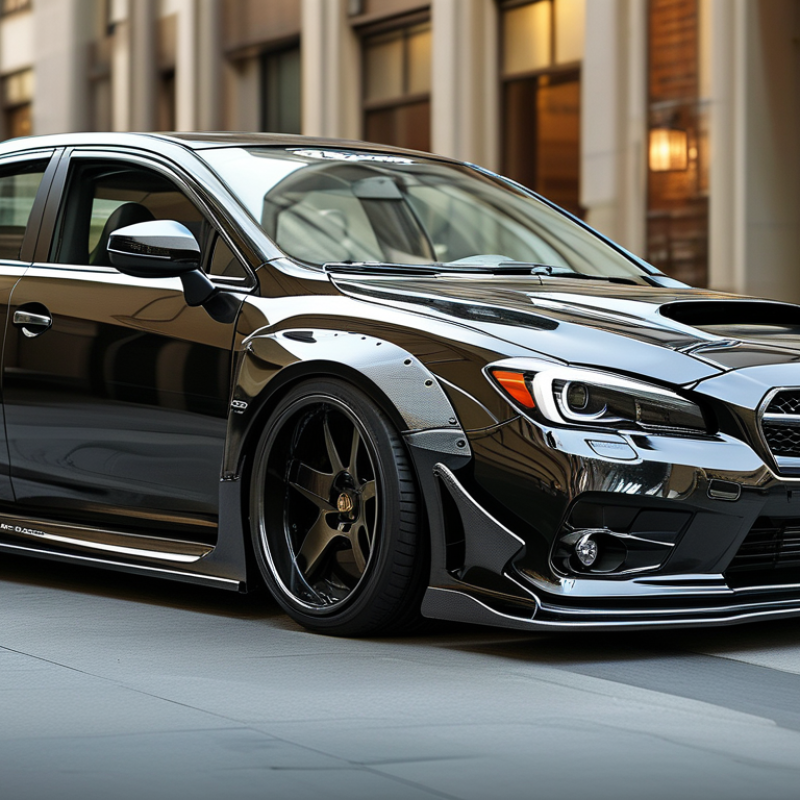
Understanding Car Body Kits: Types and Features
When considering a car body kit, it's essential to understand the different types and their features. Aerodynamic kits can enhance your vehicle’s performance by reducing drag. They often include front splitters, side skirts, and rear diffusers. These components not only improve handling but also give your car a sportier look.
Another popular option is the cosmetic body kit, designed mainly for aesthetics. This type can include custom bumpers, fenders, and spoilers that reflect your style. While these additions may not significantly affect performance, they can elevate the visual appeal of your vehicle. Be mindful that cosmetic changes require proper installation for the best results.
Quality is crucial when selecting a body kit. Materials can vary widely, affecting durability and finish. Low-quality kits may crack or fade over time, leading to unsatisfactory results. Research is vital; look for user reviews and past experiences. Analyze what components truly enhance your vehicle and ensure they align with your goals. Making a choice without adequate information could lead to regrets later.
How to Choose the Best Car Body Kit for Your Vehicle? - Understanding Car Body Kits: Types and Features
| Type of Body Kit |
Features |
Material |
Price Range |
Installation Difficulty |
| Full Body Kit |
Includes front bumper, rear bumper, side skirts |
Polyurethane, Fiberglass |
$800 - $2000 |
Moderate to High |
| Add-On Kit |
Front lip, trunk spoiler, rear diffuser |
ABS Plastic, Carbon Fiber |
$200 - $1000 |
Easy to Moderate |
| Wide Body Kit |
Extended fenders, aggressive styling |
Fiberglass, Steel |
$1200 - $3000 |
High |
| Race Kit |
Lightweight for performance, aerodynamic |
Carbon Fiber, Kevlar |
$1500 - $4000 |
High |
Assessing Compatibility with Your Vehicle's Make and Model
Choosing the right car body kit starts with understanding your vehicle's make and model. Not all kits fit every car. A proper fit enhances both aesthetics and performance. Review the specifications of your vehicle, including its dimensions and existing features. Ensure that the body kit aligns with your car's design.
Compatibility is key. Some kits only fit specific models or years. Look for descriptions that mention your vehicle's make. Check if the kit supports the factory features, like headlights or bumpers. This can prevent costly modifications later. Sometimes, users invest in a kit only to find they need additional parts to make it work.
Don't overlook the importance of material quality. While some kits may look great, they might not withstand wear and tear. Research different materials, such as fiberglass or polyurethane, to find the most durable option. Be wary of overly cheap kits that compromise quality. It's crucial to balance cost and reliability, ensuring you make a well-informed decision.
Evaluating Material Quality and Durability in Body Kits
When choosing a car body kit, evaluating material quality and durability is essential. Many body kits use fiberglass, polyurethane, or carbon fiber. Each material offers different strengths and weaknesses.
Fiberglass is often lightweight but can crack easily. In contrast, polyurethane is more flexible and resistant to impact. Carbon fiber provides excellent strength but tends to be the most expensive option.
Many consumers overlook the importance of UV resistance. A body kit exposed to sunlight can fade and degrade over time. Look for products with UV protection to ensure longevity. Additionally, consider the thickness of the material. Thicker kits may offer better durability but can add weight to your vehicle, affecting performance. A balance is crucial.
Installation also impacts durability. Poor fitting kits may lead to long-term issues. If the body kit does not sit correctly, it might chip or separate. Researching reviews from experts and users can provide insights. Finding a reliable source of information can make a big difference. Always weigh the pros and cons before making a decision.
Considering Aesthetic Preferences and Personal Style
When choosing a car body kit, it’s essential to reflect your personal style and aesthetic preferences. Your vehicle is an extension of you. Therefore, the kit should enhance its look while aligning with your unique taste. Consider the shape, color, and finish of your chosen body kit. A sleek, aerodynamic design may appeal to performance enthusiasts, while bold colors can express a fun attitude.
Tips: Experiment with different styles. Look for inspiration in car shows or online galleries. Pictures can help visualize how the kit might look on your vehicle. Another option is to consult with car modification communities. They often share experiences and recommendations.
In choosing a body kit, think about how it will age. Trends change quickly, and what excites today may not feel right tomorrow. Ensure the kit speaks to both current and future desires. Quality matters too. Opt for materials that withstand weather conditions yet maintain their appeal over time. It reflects reliability alongside your visual preferences.
Budgeting for Purchase and Installation of Body Kits
When budgeting for a car body kit, it’s essential to consider both the purchase and installation costs. Body kits can vary widely in price. Some basic kits might only cost a few hundred dollars. On the other hand, high-quality kits can reach over a thousand. Make sure to choose a kit that matches your budget and vehicle type.
Installation can add significant expenses. Professional installation can cost between $300 and $700, depending on the complexity. It's crucial not to overlook this when planning. Some kits may require additional modifications, which can lead to unexpected expenses. You might think DIY installation is a good way to save money. However, lack of experience can lead to mistakes and extra costs.
Remember, the most expensive kit isn't always the best choice. Research is key. Look for reputable sources that review body kits based on quality and fit. Investing time in understanding the options can save you money in the long run. Consider the total budget, including any potential surprises, to ensure a satisfying upgrade experience. Careful planning makes all the difference in achieving your desired look without breaking the bank.