How to Choose the Best Car Bodikit for Your Vehicle?
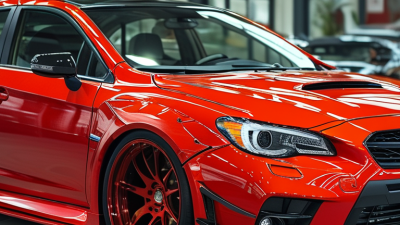
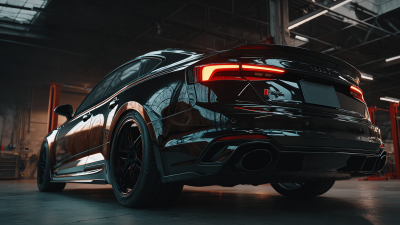
Choosing the right Car Bodikit can significantly enhance your vehicle's appearance and performance. As industry expert John Matthews states, “A well-chosen Car Bodikit reflects your style and elevates the car’s character.” This insight underscores the importance of making informed decisions when selecting a bodikit for your vehicle.
Many factors come into play when considering a Car Bodikit. Material quality, fitment, and design should top your list. It’s essential to ensure that the bodikit complements your car's unique features. However, many car owners often overlook the choice of materials, leading to unforeseen issues. Poor-quality kits may not withstand wear and tear, negatively impacting your vehicle's aesthetic.
Budget is another critical aspect. A lower price doesn't always equate to a good deal. Investing in a reputable brand may cost more upfront but provides lasting benefits. Reflection on your needs and preferences is crucial. The perfect Car Bodikit should enhance your vehicle’s look while matching your style. Keep in mind that careful selection now can save you time and costs later.
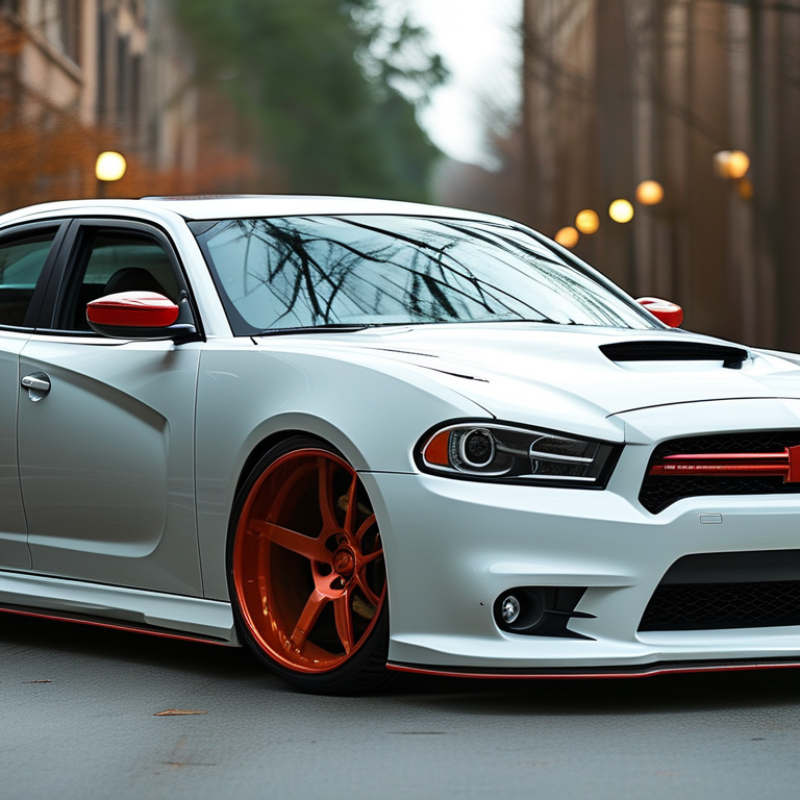
Factors to Consider When Choosing a Car Bodikit
When selecting a car bodikit, several important factors come into play. The material is crucial. High-quality materials tend to be more durable. According to industry reports, fiberglass remains a popular choice due to its strength and lightweight properties. However, ABS plastic is gaining traction for its cost-effectiveness and ease of installation.
Next, consider the design. The bodikit should enhance the vehicle's aesthetics without compromising functionality. Research indicates that aerodynamic designs can improve fuel efficiency by 2-10%. Aesthetic appeal can influence resale value, making this an essential aspect of the decision-making process.
Fitment is another critical factor. A well-fitted bodikit ensures better performance and safety. Poor fitment can lead to unanticipated issues, such as wind noise or even structural problems. Always check compatibility with your specific vehicle model. In the end, take time to evaluate each factor carefully. The right bodikit choice not only influences your car's look but also its performance on the road.
Types of Car Bodikits Available in the Market
When considering car bodikits, understanding the types available is crucial. Car bodikits primarily fall into three categories: aerodynamic kits, aesthetic kits, and functional kits. Aerodynamic kits enhance the vehicle's performance. They often include spoilers, skirts, and diffusers. These components reduce drag and improve handling. According to a study by the Society of Automotive Engineers, vehicles with aerodynamic modifications can experience a 5-10% increase in fuel efficiency.
Aesthetic kits focus on visual appeal. They often consist of body panels, grilles, and custom paint jobs. These kits allow vehicle owners to express their style. Research indicates that nearly 40% of vehicle owners choose bodikits for aesthetics alone. While these modifications do not improve performance, they can increase a car's resale value. Customization through aesthetic kits appeals to younger buyers, who prioritize personal expression.
Functional kits are designed for specific purposes. For example, off-road kits include raised suspensions and reinforced bumpers. A report from the Automotive Aftermarket Industry Association shows that 25% of modifications are functional. However, these kits can affect warranty claims. Vehicle owners should weigh functionality against potential risks. Each bodikit category serves a unique purpose, catering to different preferences and needs.
How to Assess Compatibility with Your Vehicle Model
Choosing the right car body kit involves more than just aesthetics. It requires careful evaluation of compatibility with your specific vehicle model. Many aftermarket parts are designed for universal fit, but they may not adhere well to your car’s unique lines and specifications. According to a 2022 industry report, nearly 30% of aftermarket body kits fail to properly align with vehicle dimensions, leading to installation issues.
When assessing compatibility, examine your vehicle’s make and model specifications. Compare these numbers to the body kit's dimensions. Body kits that do not match can lead to gaps, misalignment, and potential structural problems. A study by Automotive Customization Trends found that about 40% of customizations result in dissatisfaction due to poor fitment. This reflects the importance of doing detailed research before purchasing.
Consider consulting with professionals who specialize in body modifications. Their experience can guide you toward the most compatible options available. This will help avoid the trial-and-error approach that many enthusiasts face. Engaging with community forums can also provide insights into successful body kit installations and common pitfalls. Remember, aesthetics should never compromise the integrity of your vehicle.
How to Choose the Best Car Bodikit for Your Vehicle?
| Vehicle Model |
Bodikit Type |
Material |
Fitment Type |
Estimated Price |
| Toyota Camry 2021 |
Full Body Kit |
Polyurethane |
Direct Fit |
$800 |
| Honda Civic 2020 |
Sport Body Kit |
FRP |
Modular Fit |
$950 |
| Ford F-150 2021 |
Off-Road Kit |
ABS Plastic |
Adaptable Fit |
$1,200 |
| BMW 3 Series 2020 |
Luxury Body Kit |
Carbon Fiber |
OEM Fit |
$1,500 |
| Mazda CX-5 2021 |
Aerodynamic Kit |
Polypropylene |
Seamless Fit |
$700 |
Cost vs Quality: Finding the Right Balance
When selecting a car body kit, cost and quality often present a complex dilemma. Many car enthusiasts desire a sleek aesthetic but may overlook the long-term implications of their choices. It's easy to be tempted by lower prices. However, cheaper options usually compromise durability. This can lead to increased maintenance costs over time. The goal is to strike a balance that doesn’t sacrifice quality for a lower price tag.
Investing in a body kit requires research. Read reviews and seek advice from trusted sources. Professionals often recommend assessing materials. Fiberglass may be cost-effective, but it is less durable than polyurethane. Knowing the differences can save you from costly repairs down the line. Consider installation costs too. A lower-quality kit might need additional work, negating the initial savings.
Remember, not all kits are created equal. Some may look attractive but fail in performance. Reflect on both immediate and future needs. Prioritizing quality often leads to better long-term satisfaction. By choosing wisely, you can enhance your vehicle’s appearance while ensuring lasting value.
Cost vs Quality of Car Bodikits
Installation Tips for Your Chosen Car Bodikit
When installing a car bodikit, careful measurement is essential. Ensure you have precise dimensions of your vehicle. This prevents any mismatches between the kit and your car's body. Use a measuring tape for accuracy. A small error can lead to significant installation issues later.
Surface preparation is another vital step. Clean the area thoroughly to remove dirt and grease. This allows the adhesive to bond properly. After cleaning, check for any existing damage. Sometimes, minor repairs are needed before installation. Scuffs or scratches can impact the final look.
Consider using clamps or tape while fitting the parts. This holds them in place as you check alignment. It is easy to overlook details during this phase. Take your time! Rushing can lead to misaligned or poorly fitted pieces. Once satisfied with the positioning, press firmly to secure the bodikit properly.
Be aware that even well-planned installations might require adjustments. Inspect your work after installation. Look for gaps that may detract from the appearance. If adjustments are needed, take a moment to reflect and make those changes. A flawless look is worth the effort.