How to Choose the Best Car Body Kit for Your Vehicle Upgrade
When it comes to enhancing the aesthetic appeal and performance of your vehicle, choosing the right Car Body Kit can make a significant difference. Car Body Kits are an exciting option for automotive enthusiasts looking to personalize their ride and improve aerodynamics, handling, and overall presence on the road. However, with a plethora of options available in the market, selecting the best Car Body Kit for your vehicle can be a daunting task.
Understanding your car's specific needs and how different body kits can fulfill those requirements is crucial. Whether you aim for a sporty profile, a more aggressive stance, or a blend of both, each Car Body Kit serves a unique purpose, tailored to different styles and performance outcomes. In this guide, we will explore essential factors to consider when choosing the perfect Car Body Kit for your vehicle upgrade. From material selection and design compatibility to installation processes and budget, we will equip you with the knowledge to make an informed decision that elevates your driving experience.
Factors to Consider When Choosing a Car Body Kit
When considering a car body kit upgrade, it's essential to evaluate several factors that could influence your choice.
The type of material used in the body kit is crucial; most kits are made from fiberglass, polyurethane, or various composites. According to industry reports,
polyurethane kits tend to be more resilient and are less likely to crack, while fiberglass can offer a lightweight option but may require more careful handling.
Additionally, the fitment quality is paramount. A well-fitted body kit ensures not only aesthetic appeal but also safety; poor fitting can lead to aerodynamic issues that affect the vehicle's handling.
Another significant aspect to consider is your vehicle's intended use. Whether for daily driving, racing, or show purposes, the body kit should align with your goals.
A study conducted by Automotive News found that enthusiasts often prioritize kits that enhance performance and styling without compromising functionality.
Moreover, you'll want to understand the installation process—some kits may require extensive modifications, which could add to your overall costs.
Tips: Always review customer feedback and professional reviews for insight into the durability and performance of specific kits.
Additionally, consider consulting with auto specialists who can provide tailored recommendations based on your vehicle type and driving habits.
Lastly, ensure the kit complies with safety standards, as this will prevent future complications while on the road.
Types of Car Body Kits Available on the Market
When upgrading your vehicle with a car body kit, it’s essential to understand the different types available in the market to make an informed choice. The most common types include complete body kits, which often consist of front and rear bumpers, side skirts, and occasionally, a rear wing. These kits are designed to change the overall aesthetic of the vehicle while potentially improving aerodynamic performance. According to a report from Grand View Research, the global automotive body kit market was valued at over $1.9 billion in 2022, reflecting a growing trend among car enthusiasts to enhance both the appearance and functionality of their vehicles.
Another type of body kit is the individual component kits, which allow vehicle owners to customize specific areas of their cars. This approach provides flexibility for those who may want to update certain parts without committing to a complete overhaul. Popular individual components include spoilers, diffusers, and splitters, which according to Automotive News, have seen a significant rise in demand due to their ability to enhance downforce and stability at high speeds. Additionally, lightweight materials like carbon fiber and fiberglass are increasingly favored for their strength and weight-saving properties, further contributing to performance improvements.
Ultimately, the decision on which type of body kit to choose involves evaluating personal style preferences, performance needs, and budget. The market offers a variety of options tailored to different requirements, making it essential for vehicle owners to consider both aesthetics and functionality in their upgrade journey.
Car Body Kit Types Popularity
How to Assess Compatibility with Your Vehicle Model
When choosing a car body kit for your vehicle, assessing compatibility with your specific model is crucial for ensuring both performance and aesthetics. According to a report by the Specialty Equipment Market Association (SEMA), the right body kit not only enhances the vehicle's look but can also improve aerodynamics, potentially increasing fuel efficiency by up to 5% in certain vehicles. However, a mismatch in fit can lead to installation issues and compromise the intended benefits. To ensure you select a compatible body kit, begin by analyzing your vehicle’s dimensions and design characteristics, including factors like make, model, and year.
Additionally, consult user reviews and expert opinions specific to your vehicle type. A study published in the Automotive Engineering International journal highlights that nearly 40% of car enthusiasts faced compatibility challenges when installing aftermarket components. Engaging with online forums or communities centered around your vehicle’s model can also provide invaluable insights into which body kits have successfully worked for others in your situation. Always prioritize manufacturers who provide detailed compatibility charts and installation guides to streamline your upgrade process and ensure the best results.
Understanding the Installation Process and Requirements
Installing a car body kit requires careful consideration of the installation process and its associated requirements. Before beginning, it's essential to familiarize yourself with the specific components of the kit, which typically include bumpers, side skirts, and fenders. Each piece may require different installation techniques, from straightforward bolt-on methods to more complex adjustments involving cutting or modifying existing panels. A detailed installation manual provided with the kit can offer guidance tailored to your vehicle model.
Additionally, it's crucial to ensure you have the right tools on hand. Basic hand tools like wrenches and screwdrivers are necessary for most installations, but you may also need more specialized equipment such as a heat gun for reshaping plastic components or a drill for mounting hardware. Preparing your workspace is equally important; a clean, well-lit area will help streamline the process.
Finally, always consider the importance of safety measures, including wearing protective gear and working with a partner for heavier pieces. A thorough understanding of these requirements will enhance the overall installation experience and yield a more polished look for your upgraded vehicle.
Budgeting for a Car Body Kit Purchase and Installation
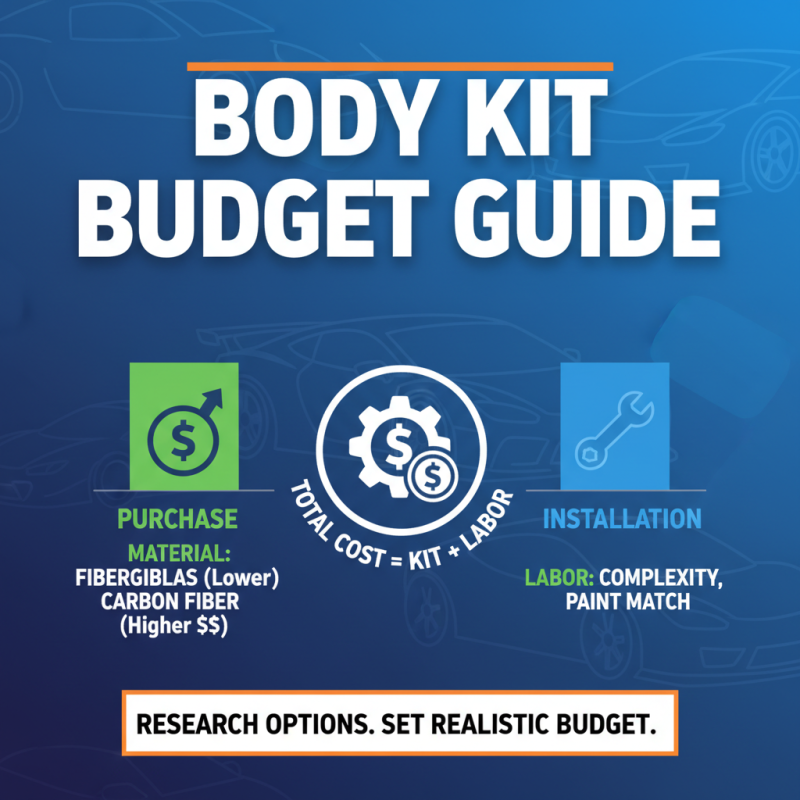
When embarking on the journey to enhance your vehicle with a body kit, budgeting for both the purchase and installation is crucial. Start by determining the overall cost of the body kit itself. Prices can vary significantly based on the material, design complexity, and the manufacturer. Fiberglass kits are often more affordable, while those made from carbon fiber typically carry a higher price tag due to their durability and lightweight properties. Research various options and establish a realistic budget that accommodates the type of kit you envision for your vehicle.
In addition to the initial purchase price, consider the installation costs, which can vary depending on whether you choose to do it yourself or hire a professional. If opting for professional installation, seek quotes from multiple shops to compare. Make sure to account for any additional expenses that might arise, such as paintwork, potential modifications to your vehicle, and labor. By carefully budgeting for both the purchase and installation phases, you can ensure that your car body kit upgrade is not only aesthetically pleasing but also financially feasible.